


What Homeowners Should Know Before Choosing the Best Electric Tankless Water Heater
Many homeowners ask us the same question: What is the best electric tankless water heater for my home? While tankless systems offer impressive benefits, they are not always the right fit for every household. Understanding how electric tankless water heaters work—and when they perform best—can help you avoid costly mistakes.
At Lochard HVAC, Plumbing, and Service, we regularly help homeowners compare tankless water heaters vs traditional tank systems, especially when hot water demand, energy efficiency, and long-term costs are top concerns.
How Electric Tankless Water Heaters Work
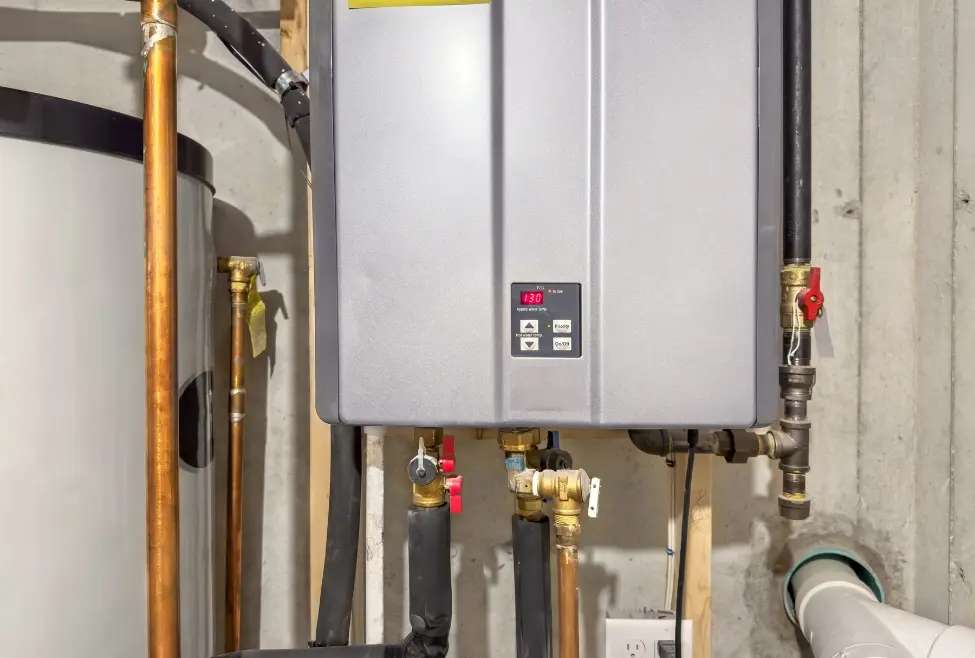
An electric tankless water heater heats water on demand instead of storing it in a tank. When you turn on a faucet, powerful heating elements instantly warm the water as it flows through the unit. As a result, you don’t run out of hot water like you can with a standard tank system.
However, electric tankless systems require significant electrical capacity, which is why professional evaluation and installation are essential. A licensed plumber can determine whether your home’s electrical panel can support the load before installation.
Benefits of the Best Electric Tankless Water Heater
Choosing the best electric tankless water heater offers several advantages, including:
- Endless hot water for showers, sinks, and appliances
- Improved energy efficiency compared to older tank systems
- Lower risk of water damage from tank leaks
- Compact design that saves space
- Longer lifespan than traditional water heaters
Because these systems only heat water when needed, many homeowners also see reduced utility bills over time.
When an Electric Tankless Water Heater May Not Be Ideal
Despite the benefits, electric tankless water heaters are not perfect for every home. For example, homes with high simultaneous water usage—such as multiple showers running at once—may experience reduced performance without the proper system size.
Additionally, older homes often need electrical upgrades before installation. This is why professional water heater installation and plumbing inspections are so important before choosing a tankless system.
Tankless vs Tank Water Heaters: Which Is Better?
The “best” option depends on your household’s needs. Traditional tank water heaters are typically less expensive upfront and easier to install. On the other hand, tankless systems offer long-term efficiency, consistent hot water, and fewer breakdown risks.
Our team often reviews water heater repair history, hot water usage, and energy costs to help homeowners make the right choice. In many cases, the best electric tankless water heater is a smart investment—but only when installed correctly.
Professional Installation Makes All the Difference
Even the best electric tankless water heater will underperform without proper installation. Electrical requirements, water pressure, and flow rate must all be correctly calculated. Improper installation can lead to heating delays, error codes, or system failure.
That’s why homeowners rely on professional plumbing services, water heater replacement, and tankless water heater installation from experienced technicians who understand local codes and system requirements.
Lochard HVAC, Plumbing, and Service proudly provides water heater and plumbing services in Troy, Piqua, Sidney, Wapakoneta, Bellefontaine, and St. Marys. We help homeowners throughout these areas choose reliable hot water solutions that fit their homes and budgets.
Ready to Upgrade Your Hot Water System?
If you’re considering the best electric tankless water heater, or you’re experiencing hot water issues, Lochard HVAC, Plumbing, and Service is here to help. From system comparisons to expert installation and repair, our licensed plumbers ensure your home has dependable hot water year-round.
Reach out today to schedule a water heater evaluation and find out whether a tankless system is right for your home.
FAQs
What is the most reliable electric tankless water heater?
The most reliable electric tankless water heater depends on your home’s hot water needs and the system’s quality. Brands with advanced safety features, energy efficiency, and durable heating elements tend to perform best over time. Professional installation and proper sizing also play a key role in reliability, helping avoid frequent maintenance or early system failure.
What size electric tankless water heater do I need for a family of 4?
For a typical family of four, an electric tankless water heater with a flow rate of 7–9 gallons per minute (GPM) is usually sufficient. This allows multiple showers, faucets, and appliances to run simultaneously without losing water temperature. A licensed plumber can assess your household’s peak usage and recommend the ideal system size to meet your needs.
Are tankless electric hot water heaters worth it?
Yes—tankless electric hot water heaters are worth considering if you want endless hot water, improved energy efficiency, and a longer lifespan compared to traditional storage tanks. While upfront costs can be higher, homeowners often save on energy bills over time and reduce the risk of water damage from tank leaks.
Will my electric bill go up with a tankless water heater?
Not necessarily. Electric tankless water heaters only heat water on demand, which can lower overall energy usage compared to constantly heating a full tank. However, homes with very high simultaneous hot water demand may see slightly higher electricity usage during peak periods. Proper system sizing is key to efficiency and cost savings.
What size electric tankless water heater should I get to replace a 50-gallon tank?
Replacing a 50-gallon tank with a tankless system typically requires a unit with a flow rate of 6–8 GPM, depending on your household’s water usage and peak demand. A licensed plumber can evaluate your home’s electrical capacity, hot water needs, and appliances to recommend the best replacement system.
Ready to upgrade to a tankless water heater? Contact Lochard HVAC, Plumbing, and Service for expert installation, replacement, and maintenance, ensuring reliable hot water for your home.

