Why Your Furnace Vent Matters More Than You Think
A properly working furnace vent is essential for both safety and performance. Its main job is to carry harmful combustion gases—like carbon monoxide—out of your home. When venting is restricted or damaged, your furnace can’t breathe properly, which can lead to inefficient heating, system breakdowns, or serious safety risks.
Because of this, even small issues with furnace venting, flue pipes, or exhaust airflow should be taken seriously and addressed early.
What Is a Furnace Vent? (Simple Explanation)
Your furnace vent is the pathway that removes exhaust gases created during the heating process. Depending on your system, this may be:
- A metal flue pipe (common in standard-efficiency furnaces)
- A PVC vent pipe (used in high-efficiency furnaces)
These vents must remain clear, sealed, and properly installed to allow safe airflow. If airflow is restricted, your furnace may shut down or operate inefficiently.
Common Furnace Vent Problems
Many furnace issues actually start with venting problems. Some of the most common include:
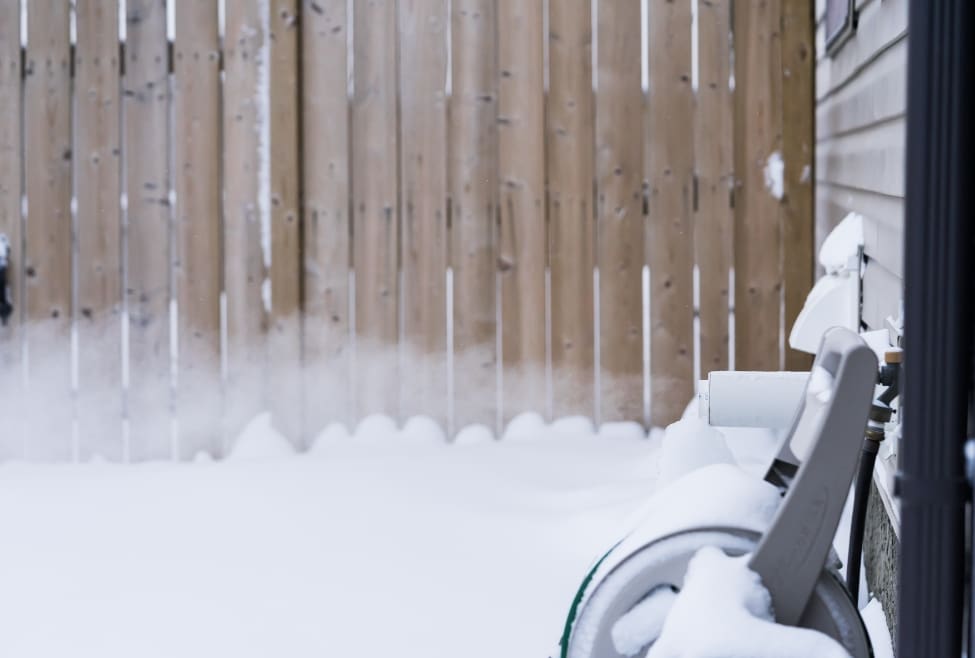
- Blocked furnace vent pipe: Snow, debris, or animal nests restricting airflow
- Disconnected or leaking flue pipe: Allowing exhaust gases to escape indoors
- Condensation buildup: Leading to corrosion or freezing in high-efficiency systems
- Improper vent installation: Causing poor draft and inefficient operation
- Rust or deterioration: Especially in older systems
These issues often result in symptoms like furnace not heating properly, frequent cycling, or unusual furnace noises.
Warning Signs Your Furnace Vent May Be Blocked or Failing
Recognizing early warning signs can help prevent bigger problems:
- Burning smells or unusual odors
- Visible rust, cracks, or loose vent connections
- Water pooling or condensation near the vent
- Furnace shutting off unexpectedly
- Weak airflow or uneven heating
- Carbon monoxide detector alerts
If you notice any of these, it’s important to stop and evaluate the system before continuing to run your furnace.
How to Check Your Furnace Vent Safely (Step-by-Step)
You can perform a basic visual inspection to catch obvious problems:
- Check the outdoor vent opening for snow, leaves, or debris
- Look for visible gaps or disconnections in vent piping
- Inspect for rust or corrosion along the flue
- Feel for airflow at the vent termination (while the system is running)
- Listen for unusual sounds like rattling or vibration
These simple checks can help you identify common furnace vent blockage issues early. However, deeper inspection should always be handled by a professional.
What Causes Furnace Vent Blockages?
Understanding the root cause helps prevent future issues. Common causes include:
- Seasonal debris (leaves, snow, ice)
- Bird nests or small animals
- Improper vent slope causing condensation buildup
- Aging or damaged vent materials
- Poor installation or design
Preventing these issues is key to maintaining safe furnace operation.
Can You Run a Furnace with a Blocked Vent?
Running a furnace with a blocked furnace vent is not safe. Modern furnaces may shut down automatically, but older systems may continue running and allow harmful gases to accumulate.
This can lead to:
- Carbon monoxide exposure
- Reduced heating efficiency
- Overheating and system damage
- Increased wear on internal components
If you suspect a blockage, it’s best to turn off the furnace until the issue is resolved.
Preventing Furnace Vent Problems
Routine maintenance is the best way to avoid vent-related issues:
- Schedule annual furnace maintenance
- Keep outdoor vents clear year-round
- Replace air filters regularly
- Inspect vent pipes for early signs of wear
- Ensure proper installation and vent sizing
These steps improve efficiency, extend equipment life, and reduce the risk of emergency repairs.
When Professional Help Makes Sense
While basic checks are helpful, some vent issues require expert diagnosis. Persistent problems like repeated shutdowns, strong odors, or visible damage often point to deeper issues within the heating system.
That’s where experienced technicians, like those at Lochard HVAC, Plumbing, and Service, provide value—not just by fixing the issue, but by identifying the root cause and helping prevent it from happening again.
Homeowners across Troy, Piqua, Sidney, Bellefontaine, Celina, and Wapakoneta, OH often deal with seasonal vent blockages, especially during colder months when furnaces run constantly.
How to Keep Your Furnace Vent Working
Your furnace vent plays a critical role in keeping your home safe, efficient, and comfortable. By understanding how it works, recognizing early warning signs, and staying proactive with maintenance, you can avoid serious issues and keep your heating system running reliably. Small checks today can prevent major repairs tomorrow—and ensure your home stays warm without unnecessary risk.
If you’re dealing with furnace vent issues or want a professional inspection, Lochard HVAC, Plumbing, and Service provides expert furnace repair, vent inspection, and HVAC maintenance to keep your system operating safely and efficiently.
FAQs
What does an exterior furnace vent look like?
An exterior furnace vent typically appears as a pipe exiting the sidewall or roof of your home. Standard-efficiency furnaces often use a metal flue pipe that vents through the roof, while high-efficiency systems use white or gray PVC pipes that exit through a side wall. You may also notice a small cap or hood to prevent debris and animals from entering. If you’re unsure, look for pipes near your outdoor HVAC unit or along exterior walls where exhaust airflow is present.
How do you tell if your furnace is venting properly?
A properly venting furnace will operate smoothly without unusual odors, excessive moisture, or frequent shutdowns. Signs of good furnace venting include steady airflow at the exterior vent, consistent indoor temperatures, and no visible rust or condensation buildup. On the other hand, issues like furnace short cycling, weak airflow, or a carbon monoxide detector alert may indicate improper venting and should be inspected promptly.
Do furnaces need to be vented outside?
Yes, all gas furnaces must vent exhaust gases outside your home. The furnace vent removes harmful byproducts like carbon monoxide, ensuring safe indoor air quality. Without proper venting, these gases can accumulate indoors and create serious health risks. Whether your system uses a flue pipe or PVC venting, proper installation and maintenance are essential for safe furnace operation.
How do I know if my furnace vent is clogged?
A clogged furnace vent can cause several noticeable issues. Common signs include your furnace shutting off unexpectedly, reduced heating performance, unusual smells, visible debris at the vent opening, or excess condensation around the vent pipe. You may also hear unusual noises or notice that your furnace struggles to stay on. Checking the outdoor vent for blockages like leaves, snow, or nests is a good first step.
What happens if there is improper venting of the furnace?
Improper furnace venting can lead to serious problems, including carbon monoxide buildup, poor heating efficiency, and damage to furnace components. You may experience frequent system shutdowns, overheating, or increased energy bills. In more severe cases, it can pose a significant safety hazard to your household. Addressing venting issues early helps prevent costly repairs and ensures your heating system operates safely.
Need Help with Furnace Vent Issues?
If you suspect your furnace vent is blocked, damaged, or not working properly, Lochard HVAC, Plumbing, and Service can provide a professional inspection, accurate diagnosis, and safe, reliable repairs to keep your home protected and comfortable.