Understanding Furnace Error Codes & What They Mean
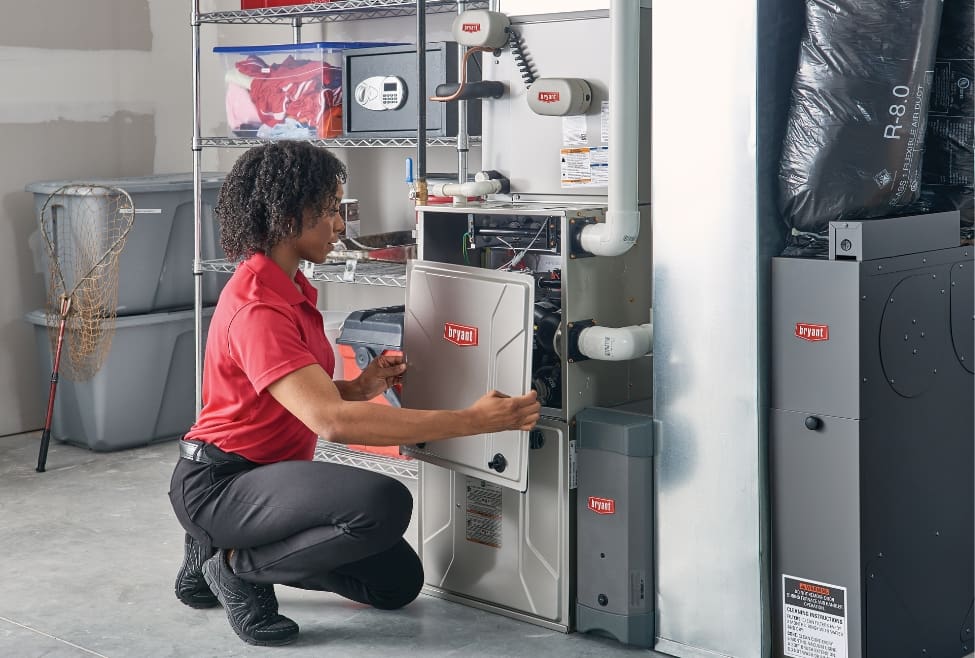
When your furnace stops working, seeing a flashing light or digital alert can be confusing. Many homeowners immediately search “What’s the most common furnace code” to understand whether the issue is minor or requires professional help. Fortunately, furnace error codes are designed to help diagnose problems quickly, preventing further damage and restoring comfort faster.
At Lochard HVAC, Plumbing, and Service, we frequently help homeowners interpret furnace diagnostic codes, resolve heating system malfunctions, and perform reliable furnace repair and maintenance services.
What Is a Furnace Error Code?
Modern heating systems use LED flash sequences or digital messages to identify system faults. These alerts help pinpoint issues such as:
- Ignition failure
- Pressure switch problems
- Flame sensor malfunction
- Limit switch overheating
- Blower motor failure
- Thermostat communication errors
Because each manufacturer uses different code patterns, checking your furnace panel and manual is essential. However, some issues appear far more frequently than others.
What’s the Most Common Furnace Code?
The most common furnace error code typically relates to ignition failure or flame sensing issues. Homeowners often notice:
- Furnace running but not heating
- Furnace blowing cold air
- Furnace clicking but not starting
- Short cycling heating system
- Furnace turns on then shuts off quickly
These symptoms usually indicate a dirty flame sensor, worn ignitor, gas supply interruption, or airflow restriction. As a result, professional furnace diagnostics and repair are often necessary to restore safe operation.
Common Furnace Codes and What They Mean
Ignition Failure Code
This appears when the furnace cannot ignite the burners. Dirty ignitors, cracked hot surface ignitors, or gas valve issues are common causes. Many homeowners researching furnace ignitor replacement cost discover this is a frequent repair.
Pressure Switch Error
A pressure switch code often points to vent blockages, condensate drain problems, or inducer motor failure. This can prevent the furnace from starting safely.
Limit Switch or Overheating Code
If your furnace overheats, a limit switch code may appear. Restricted airflow, clogged filters, or blower motor problems typically trigger this alert.
Flame Sensor Code
A dirty flame sensor can cause the furnace to shut off seconds after ignition. Routine furnace maintenance and cleaning helps prevent this common issue.
When to Call for Professional Furnace Repair
While resetting the system or replacing a filter may solve minor issues, certain warning signs require expert service:
- Repeated furnace lockout codes
- Burning smells or unusual noises
- No heat during cold weather
- Furnace constantly cycling
- Thermostat not communicating with furnace
Prompt service prevents costly repairs and ensures safe heating system operation.
How Preventative Maintenance Helps Avoid Furnace Codes
Regular heating maintenance reduces breakdowns and improves efficiency. Homeowners who schedule routine inspections benefit from:
- Cleaner ignition components
- Improved airflow and efficiency
- Early detection of failing parts
- Longer furnace lifespan
- Lower energy bills
Preventative care also reduces emergency furnace repair situations during peak winter months.
Call Today for Furnace Diagnostic & Repair Help
Our team proudly provides furnace diagnostics, heating repair, ignition troubleshooting, and maintenance across Piqua, Troy, Sidney, Bellefontaine, Celina, and Wapakoneta.
If you’re searching for furnace repair, professional diagnostics can quickly identify the problem and restore reliable comfort.
Whether your system shows ignition faults, airflow errors, or thermostat issues, expert repair ensures safe operation and prevents further damage. Schedule a furnace inspection today to keep your heating system running efficiently all winter long.
FAQs
How do I reset a furnace error code?
Many homeowners searching how to reset furnace error code can safely try a basic reset before scheduling furnace repair. Start by turning the thermostat off, then shut off power to the furnace at the breaker or service switch for about 1–2 minutes. After restoring power, turn the thermostat back to heat and monitor system startup. While this can clear minor furnace lockout codes, repeated furnace error messages may indicate deeper problems such as ignition failure, flame sensor issues, pressure switch faults, or airflow restrictions requiring professional furnace diagnostics.
Is it safe to run a furnace with error codes?
Running a furnace with active warning codes is not recommended. Furnace safety codes often signal overheating, flame rollout concerns, blocked vents, or combustion problems. Continuing to operate the system may lead to reduced heating efficiency, system shutdown, or potential safety risks. If you notice persistent furnace blinking lights, unusual smells, or inconsistent heating, scheduling furnace inspection and heating repair helps ensure safe operation and prevents costly damage.
What is the most common furnace failure?
One of the most common furnace failures involves ignition system problems. Homeowners frequently search furnace not igniting, furnace blowing cold air, or furnace starts then shuts off when dealing with worn ignitors, dirty flame sensors, or gas supply issues. Other frequent heating system failures include clogged air filters restricting airflow, blower motor malfunctions, and thermostat communication problems. Routine furnace maintenance and tune-ups significantly reduce the likelihood of these breakdowns.
What does a blinking light mean on a furnace?
A blinking furnace light typically serves as a diagnostic indicator communicating system faults. Depending on the blink pattern, the furnace may be reporting ignition failure, pressure switch issues, limit switch overheating, or flame sensing problems. Many homeowners researching furnace blinking light codes or furnace flashing red light troubleshooting discover that counting the flashes and referencing the furnace panel chart helps identify the issue. However, repeated blinking patterns usually require professional heating system troubleshooting.
Can I unplug my furnace to reset it?
Yes, turning off power can sometimes reset a furnace control board. Homeowners searching can I unplug my furnace to reset it can safely power down the system using the service switch or breaker rather than unplugging internal components. After waiting briefly, restore power and observe whether the furnace completes a normal heating cycle. If the furnace repeatedly enters lockout mode or continues displaying diagnostic codes, the issue may involve electrical components, sensors, or airflow problems that need expert furnace repair.
Need Help With Furnace Error Codes?
If your furnace continues showing warning lights, fails to produce heat, or frequently shuts down, professional diagnostics can quickly identify the cause and restore reliable comfort. The heating specialists at Lochard HVAC, Plumbing, and Service provide furnace troubleshooting, ignition repair, heating maintenance, and emergency furnace service to keep your home warm and safe.