Understanding Sewer Line Insurance Coverage
Sewer line damage can be a nightmare for homeowners. Many people ask, Will insurance pay for sewer line replacement? The answer isn’t always straightforward. Standard homeowners insurance typically covers sudden and accidental damage, like a pipe bursting, but often excludes gradual wear and tear, tree root damage, or blockages. Understanding your policy’s limits can save you from unexpected costs.
Common Scenarios Where Insurance May Help
Insurance might cover sewer line replacement in these cases:
- Sudden pipe bursts due to freezing or accidents
- Damage from accidental construction or external impact
- Certain natural disasters if specified in your policy
However, most policies do not cover:
- Aging pipes or normal wear and tear
- Clogs caused by tree roots or debris
- Routine maintenance or preventive replacement
Costs of Sewer Line Replacement
Sewer line replacement can be expensive, often ranging from $3,000 to $10,000 depending on the material, length of the pipe, and accessibility. Understanding your coverage and whether your insurance will contribute can help you plan financially.
Choosing Professional Sewer Line Services
When you need a sewer line replacement, hiring a professional ensures the job is done correctly and reduces the risk of further damage. At Lochard HVAC, Plumbing, and Service, we provide expert sewer line inspection, replacement, and repair services to homeowners in Piqua, Troy, Sidney, Bellefontaine, Celina, and Tipp City. Our team uses modern techniques like trenchless sewer line replacement to minimize disruption to your property.
Tips for Homeowners
- Review your homeowners insurance policy carefully to understand sewer line coverage.
- Consider sewer line insurance or a separate rider if your area is prone to line damage.
- Schedule regular plumbing inspections to catch small issues before they become major problems.
Expert Sewer Line Services You Can Trust
Protect your home and avoid costly surprises. Contact Lochard HVAC, Plumbing, and Service today for expert sewer line inspections, repairs, and replacements in West Milton, New Bremen, Anna, Jackson Center, Degraff, and Quincy.
FAQs
How much should a new sewer line cost?
The cost of a new sewer line can vary depending on pipe material, length, and accessibility. On average, homeowners spend between $3,000 and $10,000 for a full sewer line replacement. Trenchless sewer line replacement can sometimes reduce costs and minimize property disruption. Knowing your options and getting professional quotes can help you budget effectively for sewer line repair or replacement.
Can a homeowner replace a sewer line?
While technically possible, replacing a sewer line yourself is not recommended. Sewer line installation requires specialized tools, permits, and knowledge of local plumbing codes. DIY sewer line replacement can lead to leaks, blockages, or failed inspections, ultimately costing more in repairs. Hiring licensed professionals ensures the job is done safely and correctly.
Why is replacing a sewer line so expensive?
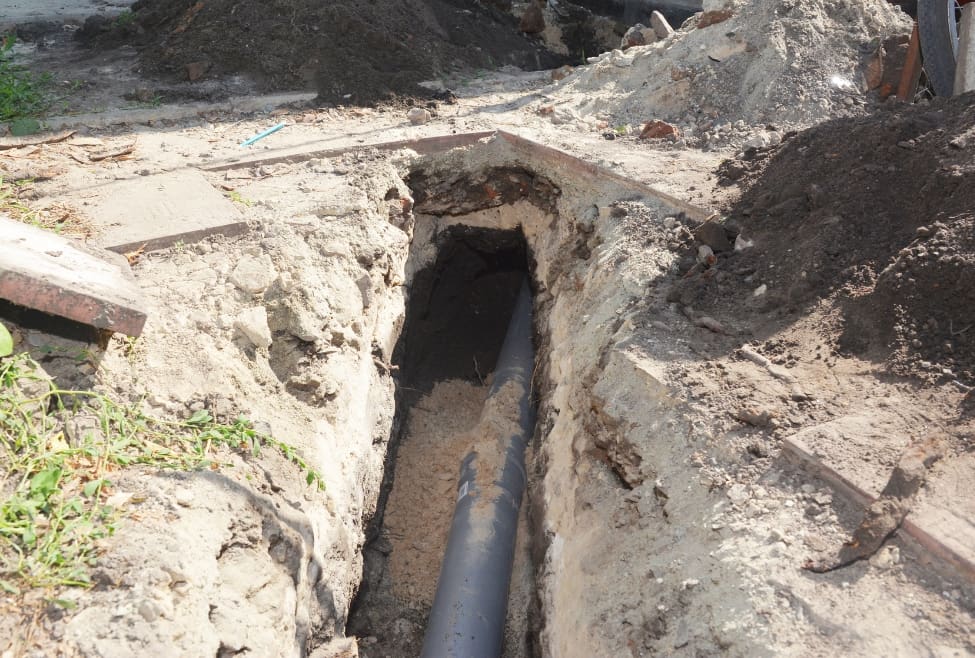
Sewer line replacement can be costly due to excavation requirements, labor, permits, and the need for durable pipe materials like PVC or cast iron. Traditional dig-and-replace methods often involve digging through landscaping or concrete, which adds to the price. Trenchless technology is a modern alternative that can reduce labor and restore functionality faster, but the quality materials and skilled labor still contribute to higher costs.
Who pays to replace a sewer line?
Typically, homeowners are responsible for sewer line replacement unless your insurance policy covers sudden, accidental damage. Some policies exclude wear-and-tear issues or tree root intrusion. Sewer line insurance or a separate policy rider may provide additional coverage for these situations. Understanding your homeowners insurance and available coverage options can prevent unexpected expenses.
What is the life expectancy of a sewer line?
Sewer line lifespan depends on pipe material and installation quality. Traditional clay pipes can last 50–70 years, cast iron pipes up to 75 years, and modern PVC pipes can last 100 years or more. Regular maintenance and inspections can extend the life of your sewer line and help identify potential issues before they become emergencies.