Why Your Furnace Filter Is So Important
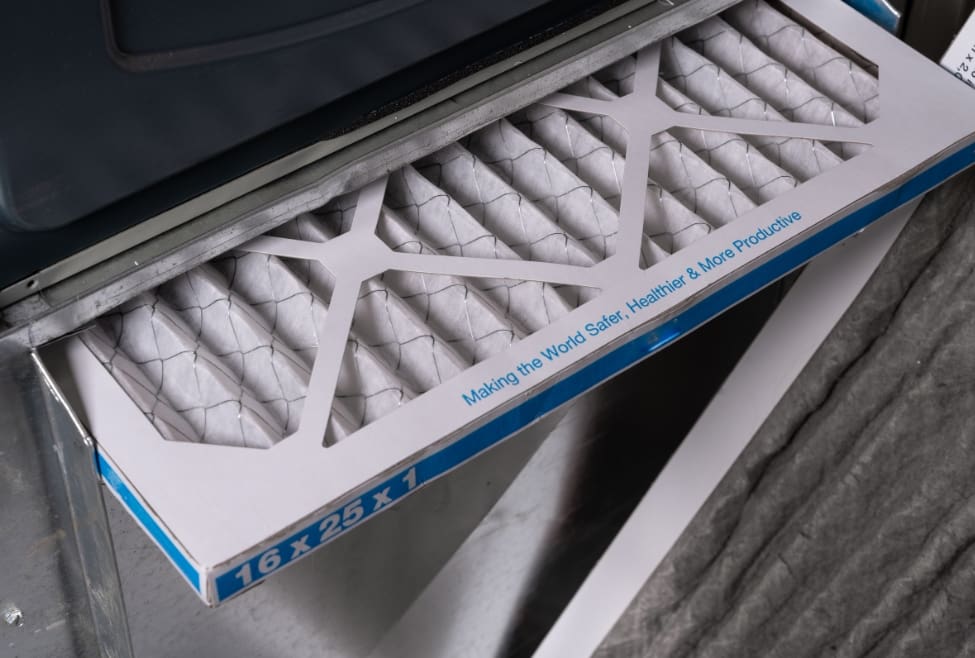
Your furnace filter plays a critical role in keeping your heating system running efficiently and your indoor air clean. It captures dust, dirt, allergens, and debris before they enter your furnace. However, when the filter becomes clogged, it can restrict airflow, reduce efficiency, and lead to common issues like furnace not heating properly or weak airflow from vents.
Because of this, staying on top of furnace filter replacement is one of the easiest and most effective ways to avoid costly HVAC repairs.
What Does a Furnace Filter Do?
A furnace filter protects both your HVAC system and your home’s air quality. It helps:
- Improve indoor air quality by trapping dust and allergens
- Maintain proper airflow through the heating system
- Prevent dirt buildup on internal furnace components
- Support energy-efficient operation
When airflow is restricted by a dirty filter, your system must work harder, which can lead to higher energy bills and increased wear and tear.
How Often Should You Change a Furnace Filter?
The frequency of furnace filter replacement depends on several factors. In general:
- Every 1–3 months for standard homes
- Every 30–60 days if you have pets or allergies
- More frequently during peak heating season
If you notice dust buildup, reduced airflow, or uneven heating, it may be time to check your filter sooner. Regular furnace maintenance helps ensure your system runs smoothly all season long.
Signs Your Furnace Filter Is Dirty
A clogged furnace filter can cause a variety of performance issues. Watch for these common warning signs:
- Reduced airflow from vents
- Furnace running longer than usual
- Uneven heating throughout your home
- Increased dust or poor indoor air quality
- Higher energy bills
- Furnace turning off unexpectedly
In many cases, a simple furnace filter replacement can restore proper airflow and improve system performance.
What Happens If You Don’t Change Your Furnace Filter?
Ignoring a dirty furnace filter can lead to bigger problems over time. For example:
- Overheating due to restricted airflow
- Damage to internal components
- Frequent system cycling or shutdowns
- Reduced lifespan of your furnace
- Poor indoor air quality
In more severe cases, airflow restrictions can contribute to the need for furnace repair or even full system replacement.
Choosing the Right Furnace Filter
Not all filters are the same. When selecting a furnace filter, consider:
- Filter size (must match your system exactly)
- MERV rating (higher ratings capture more particles but may restrict airflow)
- Filter type (fiberglass, pleated, or high-efficiency filters)
If you’re unsure which filter is best, a professional HVAC inspection can help you choose the right option for your system and home.
Simple Steps to Replace a Furnace Filter
Replacing your furnace filter is a quick and simple process:
- Turn off your furnace
- Locate the filter compartment
- Remove the old filter
- Insert the new filter in the correct airflow direction
- Turn the system back on
Regular replacements improve airflow and reduce strain on your heating system.
Preventative Maintenance Makes a Difference
While changing your furnace filter is essential, it’s only one part of keeping your system in top shape. Scheduling routine furnace maintenance helps catch issues early and ensures all components are working properly.
Professional service can also identify hidden problems like airflow restrictions, dirty coils, or worn parts that may impact system performance.
Maintaining Your Furnace Filter
Homeowners in Troy, Piqua, Sidney, Bellefontaine, Celina, and Wapakoneta, OH often deal with seasonal dust, pet dander, and fluctuating temperatures that can impact filter performance. Staying proactive with furnace filter maintenance helps keep your home comfortable and your system efficient.
Technicians at Lochard HVAC, Plumbing, and Service approach every system with a focus on long-term performance, helping homeowners avoid unnecessary repairs through proper care and maintenance.
How to Stay Ahead of Furnace Filter Problems
Your furnace filter may be small, but it has a big impact on your heating system’s performance and your home’s air quality. By replacing it regularly and staying aware of warning signs, you can improve efficiency, reduce repair risks, and maintain a more comfortable living environment.
If your system is struggling with airflow issues or inconsistent heating, Lochard HVAC, Plumbing, and Service provides expert furnace repair, HVAC maintenance, and furnace filter replacement to keep your home running efficiently and comfortably.
FAQs
How often should a furnace filter be changed?
A furnace filter should typically be checked every 1–3 months, depending on your home’s air quality, pets, and usage. Homes with high dust, pets, or allergies may require monthly changes, while smaller households with less dust may extend up to 3 months. Regular replacement keeps your HVAC system efficient and prevents unnecessary strain on your furnace.
Can I change a furnace filter myself?
Yes, most homeowners can change a furnace filter themselves. Start by turning off your furnace, locate the filter slot, remove the old filter, and insert a new one with the airflow arrows pointing correctly. Make sure to use the recommended filter size and type for your system to maintain proper airflow and heating efficiency.
What are the signs of a bad furnace filter?
Common signs of a clogged or failing furnace filter include reduced airflow from vents, uneven heating, increased dust in your home, unusual furnace noises, and higher energy bills. If your system is struggling to maintain temperature or you notice visible dirt on the filter, it’s time to replace it.
Will my furnace shut off if the filter is dirty?
While a dirty furnace filter usually won’t immediately shut off your system, it can cause overheating and trigger safety mechanisms that turn the furnace off to prevent damage. Consistently running with a clogged filter can shorten the lifespan of your furnace and lead to costly repairs.
Do more expensive furnace filters really make a difference?
Higher-quality furnace filters often have a higher MERV rating, which means they capture smaller particles like pollen, pet dander, and dust more effectively. While the upfront cost is higher, they can improve indoor air quality and reduce strain on your HVAC system, making them a worthwhile investment for many households.