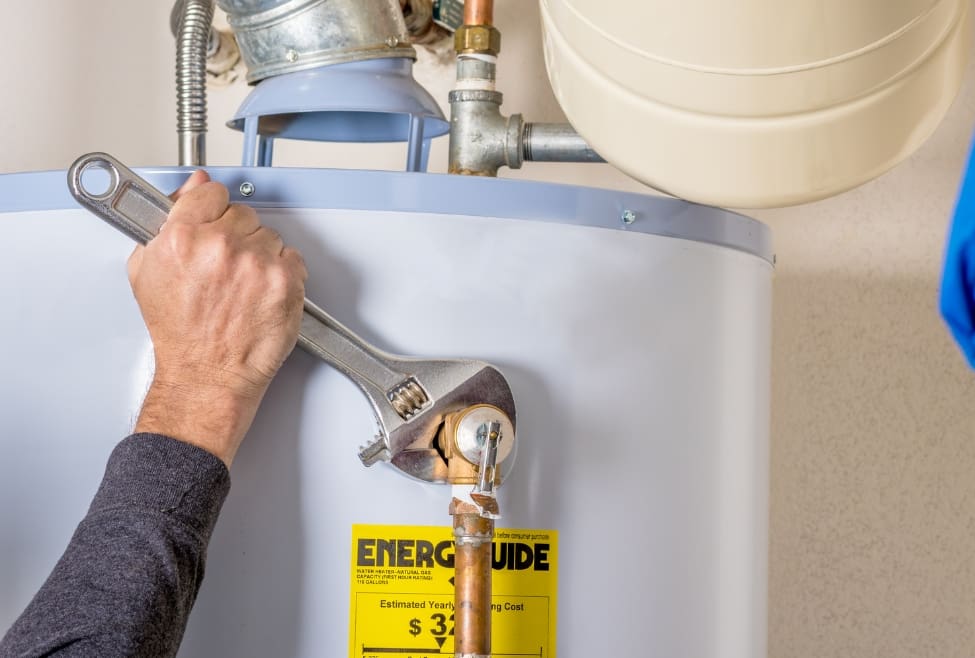
Understanding Why You Need to Drain Your Water Heater
If you’ve ever asked yourself, “should I drain water heater regularly?”, you’re not alone. Draining your water heater is a critical maintenance task that helps prevent sediment buildup, improves heating efficiency, and extends the life of your unit. Sediment from minerals in water can accumulate at the bottom of your tank over time, causing your heater to work harder, increasing energy bills, and potentially leading to leaks or failure.
At Lochard HVAC, Plumbing, and Service, we help homeowners in Piqua, Sidney, Troy, Bellefontaine, Celina, and Wapakoneta perform water heater maintenance and drain water heater services to keep hot water flowing reliably.
How to Drain a Water Heater Safely
Draining your water heater may seem intimidating, but following proper steps ensures safety and efficiency:
- Turn Off Power or Gas: Shut off electricity to an electric water heater or the gas supply to a gas-powered unit.
- Shut Off Water Supply: Close the cold water inlet valve to prevent new water from entering the tank.
- Attach a Hose to the Drain Valve: Connect a garden hose to the tank’s drain valve and run the other end to a floor drain or safe outdoor area.
- Open the Valve and Drain the Tank: Carefully open the valve and let the water flow. You may need to open a hot water faucet in the house to allow air in and speed drainage.
- Flush Out Sediment: Once empty, you can briefly turn on the cold water supply to flush out remaining sediment.
- Close Valve and Refill: Close the drain valve, remove the hose, and refill the tank. Restore power or gas to heat the water again.
Regularly draining your water heater reduces the risk of sediment buildup, noisy operation, and premature failure.
Benefits of Regular Water Heater Maintenance
Draining your water heater isn’t just about preventing issues; it also provides long-term benefits:
- Improved Energy Efficiency: Less sediment means faster heating and lower energy bills.
- Extended Tank Life: Proper maintenance can add years to your water heater’s lifespan.
- Reliable Hot Water Supply: Prevents cold spots caused by mineral buildup.
- Reduced Risk of Leaks and Damage: Minimizes pressure on tank walls, reducing rupture risk.
For homeowners in St. Marys, Tipp City, West Milton, Covington, St. Paris, and Versailles, routine maintenance and water heater services from Lochard HVAC, Plumbing, and Service ensure your system runs smoothly year-round.
When to Call a Professional
While draining a water heater is doable for many homeowners, sometimes it’s best to call a licensed plumber. Signs you may need professional help include:
- Rusty or discolored water
- Strange noises from the tank
- Reduced hot water supply
- Leaks around the tank or fittings
Our team specializes in water heater repair, replacement, and drain water heater services, handling both tank and tankless systems efficiently and safely.
Keep Your Hot Water Flowing – Schedule Maintenance Today
Don’t wait for sediment buildup to cause costly damage. Contact Lochard HVAC, Plumbing, and Service today for professional water heater maintenance, drain water heater services, or repair in New Bremen, Minster, Anna, Fort Loramie, Russia, and Jackson Center. Our licensed technicians ensure your home enjoys reliable, energy-efficient hot water all year long.
FAQs
Do water heaters really need to be drained?
Yes, water heaters should be drained regularly to remove sediment buildup, which can cause noisy operation, reduced heating efficiency, and a shorter tank lifespan. Draining and flushing your water heater helps maintain consistent hot water supply, prevents corrosion, and improves overall energy efficiency. Regular maintenance ensures your system works safely and reliably.
Can I drain my hot water heater by myself?
Many homeowners can drain a water heater themselves, especially if they follow proper safety steps, such as turning off the power or gas supply and using a garden hose to direct water safely. However, if your water heater shows signs of leaks, rust, or excessive sediment, it’s best to call a licensed plumber to prevent damage and ensure proper maintenance.
How long should it take for a 40-gallon water heater to drain?
On average, a 40-gallon water heater takes 30 to 60 minutes to drain completely, depending on the sediment buildup and water pressure. Flushing the tank afterward may take an additional 10–15 minutes. Draining and flushing regularly can speed up the process and improve overall heating performance.
Should I flush a 7-year-old water heater?
Absolutely. Flushing a 7-year-old water heater is important to remove mineral deposits that naturally accumulate over time. Regular flushing can prevent costly repairs, improve heating efficiency, and extend the life of your water heater, whether it’s a tank or tankless system.
Can I damage the water heater by draining it?
Draining a water heater properly should not damage the unit. Damage typically occurs when safety steps are skipped, such as leaving the power or gas on, not opening a hot water faucet to relieve pressure, or using a damaged hose. Following proper procedures or hiring a professional ensures your water heater stays safe and functional.
For professional water heater maintenance, drain water heater services, or repair, contact Lochard HVAC, Plumbing, and Service today. Our licensed technicians ensure reliable, efficient hot water for your home in Indian Lake, Bradford, Botkins, Degraff, Quincy, and Houston.