Understanding the Impact of Dirty AC Coils on Cooling
If your air conditioner is running but your home is not cooling properly, dirty coils may be one of the reasons. Many homeowners look up how to clean air conditioner coils because they notice reduced airflow, longer cooling cycles, higher energy bills, or an AC unit that struggles during hot weather.
Your air conditioner relies on clean coils to move heat efficiently. When dirt, dust, grass clippings, and debris build up, your system cannot transfer heat as effectively. As a result, your AC works harder, uses more energy, and may experience unnecessary wear.
At Lochard HVAC, Plumbing, and Service, we regularly help homeowners understand how their cooling systems work and what maintenance steps can improve comfort and reliability.
Why AC Coils Need to Stay Clean
Your air conditioning system uses two main coils to cool your home:
Evaporator Coil
The evaporator coil is located inside your home, usually near the air handler or furnace. Its job is to absorb heat from indoor air as refrigerant moves through the coil.
When the evaporator coil becomes dirty, it can restrict airflow and reduce cooling performance. A dirty evaporator coil may contribute to issues like:
- AC blowing warm air
- Weak airflow
- Ice buildup
- Longer cooling times
- Increased energy usage
Condenser Coil
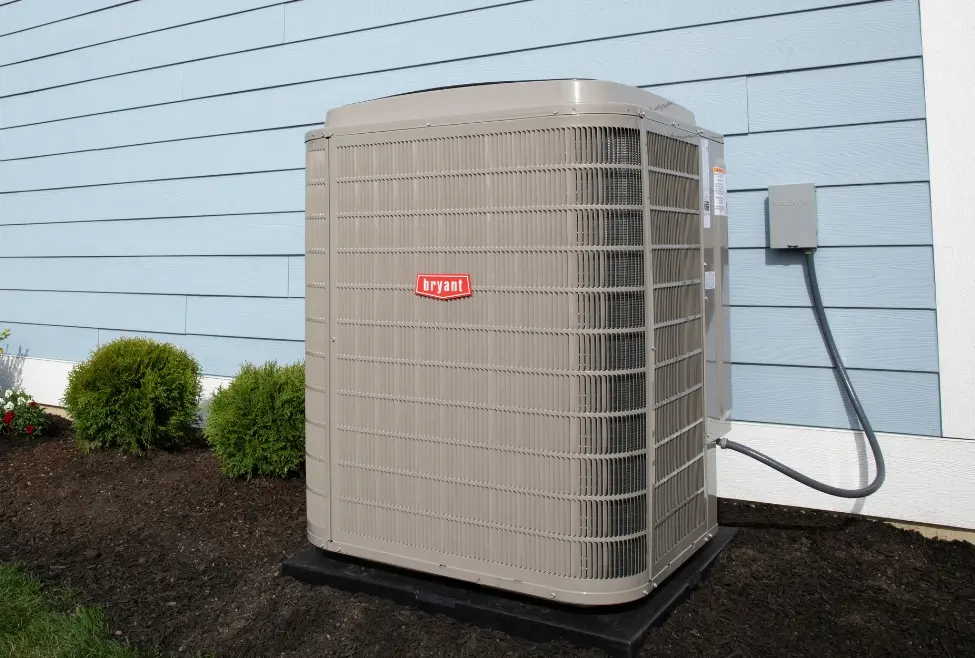
The condenser coil sits inside the outdoor AC unit. It releases the heat collected from inside your home into the outdoor air.
Because it is outside, the condenser coil is exposed to:
- Dirt
- Leaves
- Grass clippings
- Dust
- Outdoor debris
A dirty condenser coil can make your AC run longer and may cause the outdoor unit to overheat.
Signs Your AC Coils Need Cleaning
Dirty coils are not always obvious, but your air conditioner may show warning signs.
Common symptoms include:
1. AC Is Not Cooling Like It Used To
If your AC runs but the temperature in your home does not improve, dirty coils may be limiting heat transfer.
Other possible causes include:
- Low refrigerant
- Airflow restrictions
- Electrical issues
- Compressor problems
A complete AC diagnostic service can help determine the actual cause.
2. Your AC Runs Constantly
A healthy air conditioner cycles on and off to maintain temperature. When coils become dirty, the system may need to run longer because it cannot remove heat efficiently.
Longer run times can lead to:
- Higher utility bills
- More strain on components
- Faster system wear
3. Ice Forms on the AC Unit
Frozen AC coils are a common problem homeowners notice. Dirty evaporator coils can reduce airflow, which may allow moisture to freeze on the coil.
If you see ice on your AC:
- Turn off cooling mode
- Allow the ice to melt
- Check your air filter
- Inspect for airflow issues
If freezing continues, the system may need professional air conditioning repair.
Step-by-Step Guide to Cleaning AC Coils Safely
Before cleaning your AC coils, remember that your air conditioner contains electrical components and delicate parts. Always prioritize safety.
Step 1: Turn Off Power to the AC
Before touching your outdoor unit, turn off power at the thermostat and disconnect the electrical power near the condenser.
This prevents accidental startup and reduces the risk of injury.
Step 2: Remove Debris Around the Outdoor Unit
Good airflow around your condenser is essential.
Remove:
- Leaves
- Grass
- Dirt buildup
- Plants growing too close
- Outdoor clutter
Try to keep open space around the unit so air can move freely.
Step 3: Clean the Exterior Condenser Coil
For light buildup, gently remove debris from the outside of the unit.
A few tips:
- Use a soft brush
- Avoid bending the metal fins
- Do not use excessive force
- Be careful around electrical parts
The fins are delicate and can easily become damaged.
Step 4: Check and Replace Your Air Filter
Many coil problems start with restricted airflow. A dirty air filter allows dust to circulate through your system.
A clogged filter can contribute to:
- Reduced airflow
- Dirty evaporator coils
- Poor indoor comfort
- AC strain
Replacing your filter regularly is one of the simplest ways to protect your HVAC system.
What Not to Do When Cleaning AC Coils
While basic maintenance can help, certain cleaning methods can damage your system.
Avoid:
- Using sharp objects on coils
- Bending condenser fins
- Spraying water into electrical areas
- Using harsh chemicals not designed for HVAC systems
- Taking apart components without experience
If coils are heavily clogged or difficult to access, professional cleaning may be the safest option.
How Often Should AC Coils Be Cleaned?
The right cleaning schedule depends on your home and environment.
Many systems benefit from coil inspections at least once a year, especially before the cooling season begins.
You may need more frequent cleaning if you have:
- Pets
- Nearby trees or landscaping
- Dusty conditions
- Frequent AC use
- Outdoor debris around the unit
Regular HVAC maintenance service helps catch dirty coils and other issues before they affect comfort.
Can Dirty Coils Cause AC Problems?
Yes. Dirty coils can contribute to several common air conditioner issues.
A neglected coil can lead to:
- AC not blowing cold air
- Higher electric bills
- Reduced efficiency
- Frozen evaporator coils
- Overworked compressor
- Premature system wear
However, not every cooling problem comes from dirty coils. Refrigerant problems, thermostat issues, electrical failures, and mechanical wear can create similar symptoms.
When Should You Call an HVAC Professional?
Homeowners can handle basic maintenance, but some situations require a trained technician.
Consider professional help if your AC:
- Stops cooling
- Freezes repeatedly
- Makes unusual noises
- Leaks water
- Runs nonstop
- Has weak airflow
- Trips breakers
A technician can inspect the full system, clean components safely, and identify issues that are not visible from the outside.
Lochard HVAC, Plumbing, and Service provides AC maintenance, cooling system repairs, and HVAC services throughout Piqua, Troy, Sidney, Bellefontaine, Celina, and Wapakoneta, OH.
Keeping Your AC Coils Clean for Long-Term Comfort
Learning how to clean air conditioner coils can help homeowners understand an important part of air conditioner maintenance. Clean coils support better airflow, improved cooling performance, and more efficient operation.
However, coil cleaning is only one part of keeping an AC system healthy. Filters, refrigerant levels, electrical components, and airflow all affect how well your system performs.
If your AC is struggling to cool, running longer than normal, or showing signs of stress, Lochard HVAC, Plumbing, and Service can help with AC maintenance, HVAC troubleshooting, and air conditioning repair to keep your system working properly.
FAQs
Can I clean my AC coils myself?
Yes, you can handle basic AC coil maintenance, especially cleaning light dirt or debris from the outdoor condenser unit. Homeowners often manage simple tasks like clearing leaves, rinsing the exterior unit gently, and replacing air filters.
However, deep coil cleaning—especially the evaporator coil inside your home—requires caution. The coils are delicate, and improper cleaning can bend fins, damage components, or reduce efficiency. If you notice heavy buildup, restricted airflow, or cooling issues, a professional AC maintenance service is usually the safest option.
How do I know if my AC coil is dirty?
A dirty AC coil often shows clear performance symptoms even if you can’t see the buildup directly. Common signs include:
- AC not cooling properly
- Weak airflow from vents
- Higher-than-normal energy bills
- AC running longer cycles
- Ice forming on refrigerant lines or evaporator coil
- Outdoor unit struggling in hot weather
In many cases, dirty coils mimic other HVAC problems like low refrigerant or airflow restrictions, so a full HVAC diagnostic check is often needed to confirm the issue.
What do HVAC techs use to clean coils?
Professional HVAC technicians use specialized tools and cleaners designed specifically for air conditioning systems. These may include:
- Non-corrosive coil cleaning solutions
- Foaming evaporator and condenser coil cleaners
- Low-pressure rinsing tools
- Fin combs to straighten bent coil fins
- Vacuum or brush systems for indoor components
The goal of professional AC coil cleaning service is to safely remove buildup without damaging the delicate aluminum fins or reducing system efficiency.
Is it okay to spray water on your air conditioner while running?
No, you should never spray water on an air conditioner while it is running. Doing so can create serious electrical hazards and may damage internal components.
If cleaning is needed, the system should always be powered off first. Even then, only the outdoor condenser unit should be lightly rinsed—not electrical panels or indoor components. For safety and performance reasons, professional air conditioning maintenance is recommended for thorough cleaning.
Will Dawn dish soap clean AC coils?
Mild dish soap like Dawn can remove light grease or surface dirt in some DIY situations, but it is not designed for HVAC systems. Using the wrong solution or too much soap can leave residue on the coils, which may reduce heat transfer efficiency.
HVAC-approved coil cleaners are specifically formulated to break down dirt without damaging aluminum fins or affecting system performance. For best results and long-term protection, technicians typically use professional-grade coil cleaning solutions during service.
If your AC coils are heavily dirty, freezing, or affecting cooling performance, Lochard HVAC, Plumbing, and Service can assist with AC cleaning, HVAC maintenance, and full system inspections to restore efficiency and comfort. Contact us today!