When Your AC Runs but the Air Stays Warm
If you’re asking why is my AC not blowing cold air, the frustrating part is usually this: the system sounds like it’s working. The fan is running, the outdoor unit may be on, but the air coming from the vents isn’t cold—or it’s only slightly cool.
This situation usually means the system is still powered but something is preventing it from completing the cooling process. In most homes, the issue falls into one of a few predictable categories: airflow restriction, refrigerant problems, thermostat issues, or mechanical failure inside the air conditioning system.
Lochard HVAC, Plumbing, and Service regularly diagnoses these exact problems, and most of them show warning signs before a full breakdown happens.
Step 1: Start With the Simple Checks First
Before assuming a major failure, there are a few basic things every homeowner should check. These small issues cause a large percentage of “no cold air” complaints.
Check Your Thermostat Settings
Make sure your thermostat is:
- Set to “cool” mode
- Set below room temperature
- Not on “fan only” mode
- Working with fresh batteries (if applicable)
A misconfigured thermostat is one of the most overlooked causes of cooling problems.
Replace the Air Filter
A clogged air filter is one of the most common causes of weak or warm airflow. When airflow is restricted, the system cannot properly move air across the evaporator coil, which reduces cooling efficiency.
Signs your filter may be causing problems include:
- Weak airflow from vents
- Dust buildup around registers
- Longer cooling cycles
- Uneven temperatures between rooms
This is one of the easiest fixes and should always be checked first.
Check Air Vents and Returns
Blocked vents can significantly reduce cooling performance. Walk through your home and make sure:
- Supply vents are fully open
- Furniture is not blocking airflow
- Return vents are clear of dust or obstruction
Airflow balance is essential for proper system operation.
Step 2: Outdoor Unit Problems That Affect Cooling
If indoor checks don’t solve the issue, the outdoor AC condenser may be the source of the problem. This is where heat is released from your home.
Dirty or Blocked Condenser Unit
Leaves, grass, dirt, and debris can restrict airflow around the outdoor unit. When this happens, the system struggles to release heat, resulting in warm air indoors.
Signs include:
- Warm air blowing from vents
- AC running longer than normal
- Higher energy bills
- System overheating or shutting off early
Keeping at least a few feet of clearance around the unit is essential for proper operation.
Step 3: Refrigerant Issues (A Common Hidden Problem)
If your system is running but not cooling, low refrigerant is a major possibility. Refrigerant is what actually removes heat from the air inside your home.
When refrigerant levels drop due to a leak, the system cannot complete the cooling cycle properly.
Common symptoms include:
- Warm air from vents
- Ice on refrigerant lines or indoor coil
- Hissing sounds near copper lines
- Long or nonstop cooling cycles
- High humidity indoors
This type of issue requires professional air conditioning repair because refrigerant systems are sealed and require specialized tools to diagnose and recharge.
Step 4: Frozen Evaporator Coil
A frozen evaporator coil can stop your AC from producing cold air entirely. Ice buildup blocks airflow and prevents heat transfer.
This is often caused by:
- Dirty air filters
- Low refrigerant
- Poor airflow
- Weak blower motor performance
What to do:
Turn the system off and set the fan to “ON” to help thaw the coil. If freezing happens again after restarting, there is an underlying issue that needs inspection.
Step 5: Electrical and Mechanical Issues
If airflow and refrigerant are not the issue, the problem may be mechanical or electrical.
Common culprits include:
- Failing AC capacitor
- Faulty contactor or relay
- Weak or failing blower motor
- Compressor starting issues
- Electrical wiring problems
These issues often appear gradually, such as:
- AC struggling to start
- Clicking or humming noises
- Intermittent cooling
- Breaker trips
These symptoms usually require professional HVAC diagnostics.
Step 6: AC Compressor Problems
The AC compressor is the heart of your cooling system. If it is failing, the system may run but not cool effectively—or not cool at all.
Warning signs include:
- Outdoor unit running but no cooling indoors
- Loud or unusual noises
- System tripping breakers
- Warm air despite long run times
Compressor issues are among the most serious HVAC problems and should be addressed quickly to avoid full system failure.
A Helpful Way to Think About the Problem
If your AC is not blowing cold air, the issue usually falls into one of three categories:
- Airflow problem → filter, vents, blower motor
- Refrigerant problem → leak or low charge
- Mechanical/electrical problem → compressor, capacitor, thermostat
This breakdown helps narrow down what type of repair may be needed before calling for service.
Why Quick Action Matters
Waiting too long can turn a simple issue into a major repair. For example:
- A dirty filter can freeze a coil
- Low refrigerant can damage the compressor
- Electrical issues can lead to system failure
Catching problems early helps reduce repair costs and extend system life.
Professional AC Diagnosis and Repair
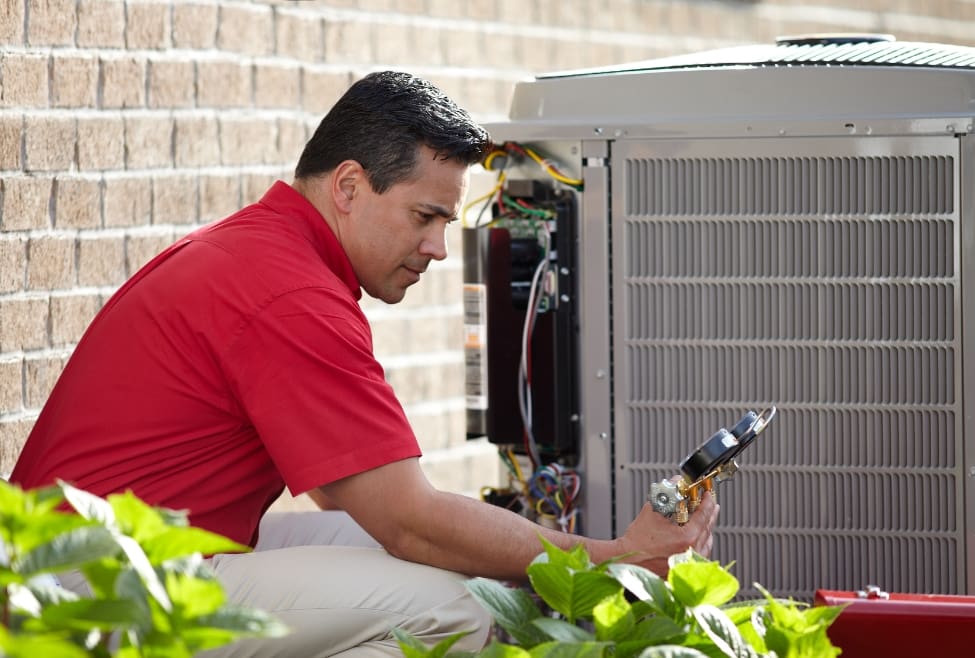
Lochard HVAC, Plumbing, and Service provides detailed AC diagnostic service, air conditioning repair, and HVAC maintenance to identify why systems stop cooling properly. Technicians test airflow, refrigerant levels, electrical components, and system performance to pinpoint the root cause instead of guessing.
We proudly provide HVAC service throughout Piqua, Troy, Sidney, Bellefontaine, Celina, and Wapakoneta, OH.
Why Your AC Is Not Cooling Properly
When you’re dealing with why is my AC not blowing cold air, the problem is usually fixable—but only if it’s correctly identified. Simple issues like filters and airflow restrictions are easy to address, while refrigerant leaks or compressor problems require professional attention.
Understanding the warning signs helps you take action before a small cooling issue becomes a major system failure. Contact us today!
FAQs
Why is my AC running but not cooling?
If your AC is running but not cooling, the issue is often related to restricted airflow, low refrigerant, or a failing AC compressor. A dirty air filter, frozen evaporator coil, or blocked condenser can also prevent proper heat exchange. In some cases, the system is still operating mechanically but cannot remove heat from the home effectively, which results in warm air from vents.
How do I fix AC not blowing out cold air?
Start with basic air conditioning troubleshooting: replace the air filter, check thermostat settings, and ensure all vents are open and unobstructed. Next, inspect the outdoor unit for debris buildup. If the system still isn’t cooling, the problem may involve refrigerant loss, electrical failure, or a failing capacitor, which requires professional AC service to diagnose and fix correctly.
How do I reset AC not blowing cold air?
To reset your AC, turn the thermostat to “off,” shut off power to the system at the breaker for about 30–60 seconds, then restore power and set it back to cooling mode. This can sometimes resolve minor electrical or control glitches. However, if the AC continues to blow warm air after resetting, there may be an underlying issue such as a faulty AC capacitor or compressor problem that needs inspection.
Should I turn off AC if it’s not cooling?
Yes, if your AC is running but not cooling, it’s usually best to turn it off. Continuing to run the system can cause additional strain on components like the compressor and evaporator coil, especially if there is low refrigerant or restricted airflow. Shutting it down helps prevent further damage while the underlying issue is diagnosed through air conditioning repair service.
How much to fix AC not blowing cold?
The cost to fix an AC not blowing cold air varies depending on the root cause. Simple issues like filter replacement or minor electrical fixes are relatively inexpensive, while refrigerant leaks, compressor failure, or major electrical repairs can be more costly. A professional HVAC diagnostic service is needed to accurately identify the problem before providing an exact repair estimate.
If your system is struggling to cool properly, Lochard HVAC, Plumbing, and Service offers expert AC repair, HVAC diagnostics, and air conditioning maintenance to restore reliable cooling performance.