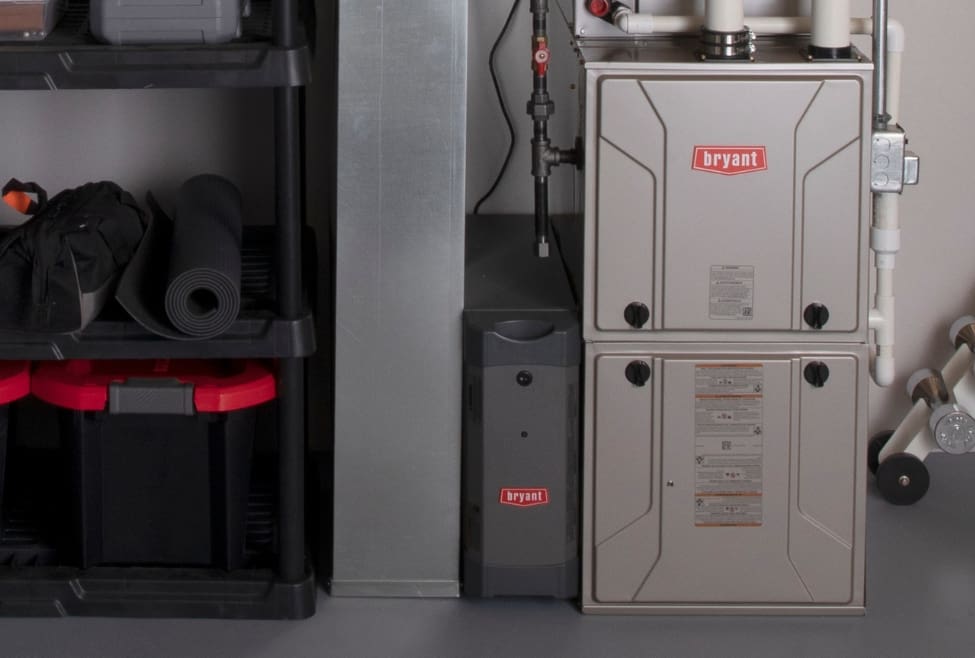
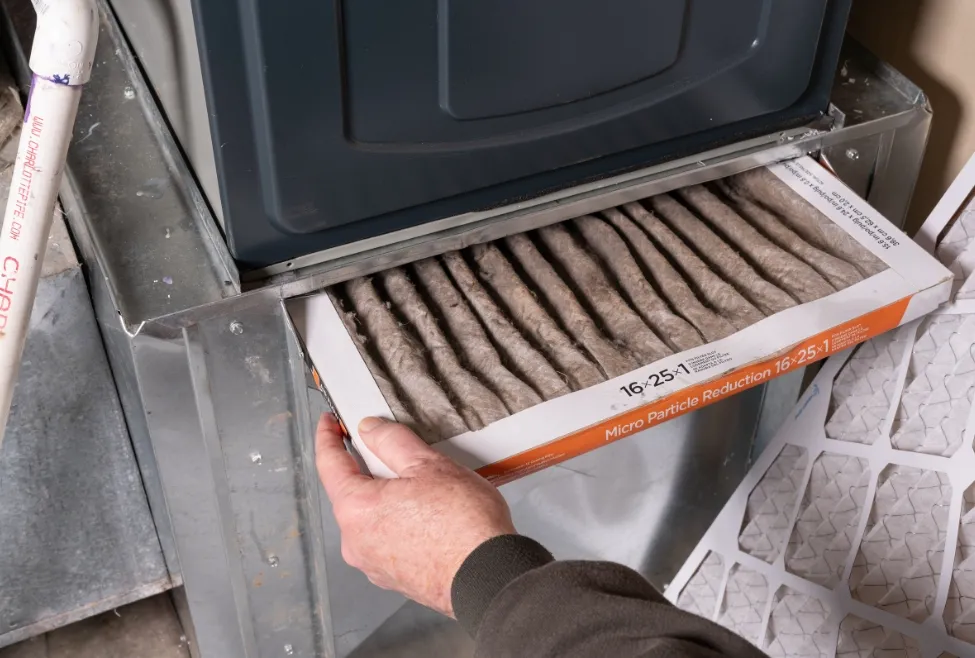
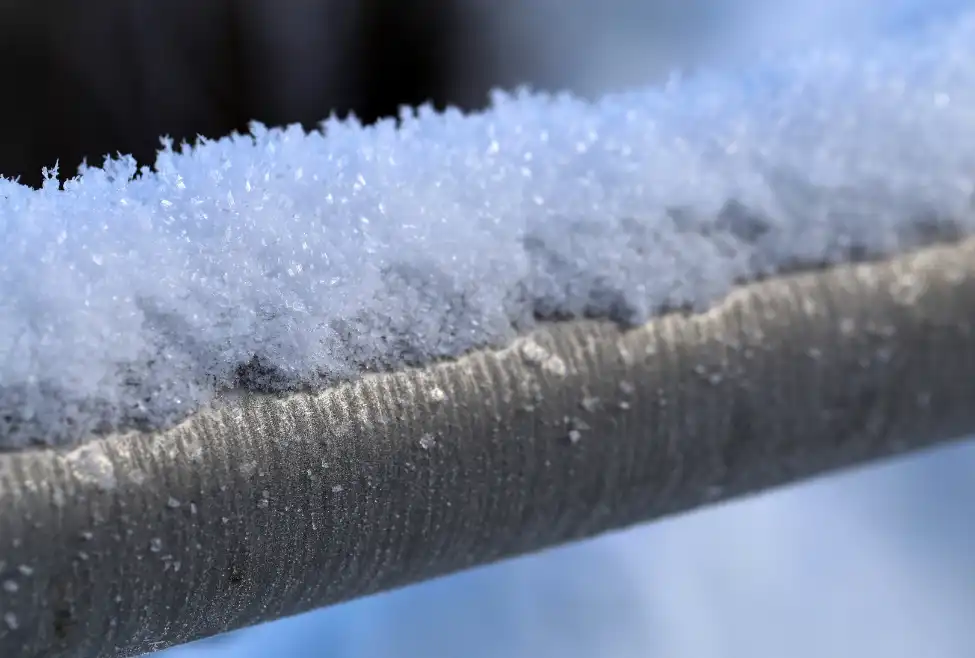
New Bryant furnace ready for installation by Lochard HVAC, providing expert furnace sizing and replacement services to ensure the right BTU for your home or business heating needs. Contact us now for help with how many BTU furnace do I need, furnace BTU calculator, furnace sizing guide, proper furnace size for my home, furnace installation near me, furnace replacement near me, heating system sizing, best BTU for furnace, furnace sizing for square footage, how to calculate furnace BTUs, BTU furnace chart, furnace installation expert, heating system efficiency, residential furnace installation, commercial furnace installation near me, furnace repair and replacement services, furnace upgrade services, professional furnace sizing, local furnace specialists, furnace installation quotes, efficient heating systems for homes, furnace experts near me.

How Many BTU Furnace Do I Need?

A Simple Guide for Homeowners

Choosing the right size furnace for your home can be tricky. One of the key factors to consider is determining how many BTUs (British Thermal Units) your furnace needs to effectively heat your space. If you’re asking yourself, “How many BTU furnace do I need?” you’re not alone. Getting the right furnace size can make a big difference in your home’s energy efficiency, comfort, and heating costs.

Understanding BTU and Furnace Sizing

BTUs measure the amount of heat a furnace can generate in one hour. The higher the BTU rating, the more heat the furnace can produce. However, installing a furnace that’s too powerful or too weak can lead to problems like wasted energy or inadequate heating.

To ensure you’re choosing the right size furnace, you’ll need to consider factors such as the square footage of your home, the local climate, your home’s insulation, and even the number of windows. At Lochard HVAC, Plumbing, and Service, we guide homeowners in areas like Troy, Piqua, and Sidney, helping them understand furnace sizing to improve comfort and reduce energy bills.

How to Calculate the Right Furnace Size

The general rule of thumb is that you’ll need approximately 30 to 60 BTUs for each square foot of space in your home. For example, a 1,500-square-foot home may need anywhere between 45,000 and 90,000 BTUs. However, this formula doesn’t account for other important factors like:

  • Climate: Homes in colder climates (like Bellefontaine or Minster) need more heat to stay comfortable.
  • Insulation: Well-insulated homes can get by with a smaller furnace.
  • Home Design: High ceilings, large windows, and open floor plans may require more BTUs.

A professional heating technician will evaluate your specific situation to determine the exact furnace size needed for your home in places like Celina or Tipp City.

Signs You Have the Wrong Size Furnace

If your furnace is too small, it will struggle to heat your home, and you may notice:

  • Inconsistent temperatures
  • A furnace that runs constantly
  • Increased energy bills

If your furnace is too large, it can cause short cycling, where the furnace turns on and off frequently, leading to:

  • Uneven heating
  • Higher humidity levels
  • Increased wear and tear on your furnace

Choosing the Right Furnace for Your Needs

When selecting a furnace, the BTU requirement is just one part of the equation. It’s important to also consider the efficiency rating, the type of fuel (gas, electric, or oil), and the model’s features. Lochard HVAC, Plumbing, and Service offers expert furnace installation and can help you select a furnace that matches your home’s needs, helping you save money and enjoy consistent comfort year-round.

Why Trust Lochard HVAC, Plumbing, and Service?

At Lochard HVAC, Plumbing, and Service, we have years of experience providing reliable heating solutions across areas like West Milton and New Bremen. We take pride in offering expert furnace sizing and installation services, ensuring that your home is heated efficiently. Whether you need a new furnace or a replacement, we are your trusted experts.

Ready to find the right furnace for your home? Contact Lochard HVAC, Plumbing, and Service today for a free consultation! Our team is here to ensure that your home stays warm and cozy during the cold months. Get in touch with us for professional furnace installation and repair services.

FAQs

How many square feet will an 80,000 BTU furnace heat?

An 80,000 BTU furnace typically heats homes between 2,000 and 2,500 square feet, depending on factors like insulation, climate, and home layout. Homes in colder climates may require a higher BTU rating for the same square footage. For the best results, it’s important to properly size your furnace based on your home’s unique needs.

Is it better to undersize or oversize a furnace?

It’s important to avoid both undersizing and oversizing your furnace. An undersized furnace may struggle to heat your home, leading to increased energy costs and wear. Conversely, an oversized furnace may cycle on and off too frequently, causing inefficiencies and inconsistent temperatures. Proper sizing ensures balanced comfort and energy efficiency.

How many BTUs to heat a 40×60 shop?

To heat a 40×60 shop (2,400 square feet), you typically need a furnace with a BTU rating between 72,000 and 144,000, depending on insulation and climate. Colder climates will require a higher BTU rating. A professional can calculate the exact BTU requirement based on your space’s specific needs.

Is it worth upgrading to a high-efficiency furnace?

Upgrading to a high-efficiency furnace is often worth the investment, especially if your current system is old and inefficient. High-efficiency models consume less energy, leading to lower heating bills and improved comfort. Additionally, newer models typically require less maintenance and offer better overall performance.

Can I put a stronger blower in my furnace?

While it is possible to install a stronger blower in your furnace, it is usually not recommended unless it is specifically designed for your system. A stronger blower may lead to air pressure issues, reduced efficiency, and additional wear. It’s best to work with a professional to ensure your furnace operates at its most efficient level.

Plumber using a drain snake to clear a clogged sink, offering professional drain cleaning services from Lochard HVAC, Plumbing, and Service for homes and businesses in Piqua, Troy, Sidney, Bellefontaine, Celina, Wapakoneta, St. Marys, Tipp City, West Milton, Covington, St. Paris, Versailles, New Bremen, Minster, Anna, Fort Loramie, Russia, Jackson Center, Indian Lake, Bradford, Botkins, Degraff, Quincy, Houston, Casstown, and Kettlersville, Ohio. Call us now to help you with best drain unclogger, top drain cleaning solutions, professional drain unclogging services, clogged drain repair near me, effective drain cleaner, drain snake service, emergency drain cleaning, plumbing services for clogged drains, plumbing drain solutions, professional drain cleaning experts, affordable drain unclogging, local drain cleaning services, best drain cleaning service near me, expert drain cleaning, drain repair and unclogging, fast drain unclogging services, reliable plumbing for clogged drains, residential drain cleaning, commercial drain services, hydro jetting for drains, professional plumbing drain cleaning near me.

Finding the Best Drain Unclogger

Struggling with a Clogged Drain?

Clogged drains are a common problem in many homes, and they can disrupt daily life quickly. Whether it’s a slow-moving drain or a complete blockage, you want to get your plumbing back to normal as fast as possible. But how do you choose the best drain unclogger for the job? In this post, we’ll guide you through the most effective ways to unclog drains, along with professional plumbing services that can help you keep your pipes running smoothly.

Best Drain Unclogger Options: DIY vs. Professional Help

When it comes to finding the best drain unclogger, there are a few different methods you can try. It’s important to know which solution is right for your situation.

1. Drain Cleaners and Chemical Solutions

Chemical drain cleaners are popular because they are easily available and often work quickly. However, they can be harsh on your pipes and the environment. They also might not always address deeper clogs or recurring issues. So while they may be the best drain unclogger in some cases, they’re not always the safest or most effective in the long run.

2. Plumbing Snakes (Augers)

A plumbing snake or auger is a tool designed to break up clogs or push them through your pipes. These tools are great for dealing with tougher blockages caused by things like hair or soap scum. A professional plumber can help you use this tool properly if you’re having trouble.

3. Natural Drain Cleaners

If you want a more eco-friendly option, natural drain cleaners can do the trick. Many people use ingredients like baking soda, vinegar, or boiling water to clear minor clogs. This is often the best drain unclogger for small issues, and it’s a gentle option for your pipes.

4. Hydro Jetting

For stubborn or recurring clogs, hydro jetting is a professional solution. This process uses high-pressure water to clean the inside of your pipes and clear blockages. Hydro jetting is especially effective for grease and buildup in the plumbing system. For an expert hydro jetting service in Piqua, Troy, Sidney, Bellefontaine, Celina, or Tipp City, you can trust Lochard HVAC, Plumbing, and Service to get the job done.

How Lochard HVAC, Plumbing, and Service Can Help

While DIY methods are great for smaller issues, it’s important to know when to call in the professionals. Lochard HVAC, Plumbing, and Service offers a range of plumbing services that can help clear your drains and ensure your system works at its best. We offer drain cleaning services, hydro jetting, and pipe repair services in areas like West Milton, New Bremen, Anna, Jackson Center, Degraff, Quincy and more.

Our team uses the latest technology to find the source of clogs and address them quickly, so you can avoid more serious issues down the line. You can also schedule regular maintenance to keep your plumbing running smoothly, preventing future drain problems. Trust our experienced professionals to provide reliable plumbing solutions that work for your home.

Signs You Need Professional Drain Cleaning

Even with the best drain unclogger at home, you might encounter persistent issues. If you notice any of the following signs, it might be time to contact a professional plumber:

  • Slow drains – If water takes longer to drain from sinks, bathtubs, or showers, it could indicate a clog.
  • Foul odors – Unpleasant smells coming from your drains may suggest a buildup of organic material.
  • Multiple clogged drains – If more than one drain is clogged at the same time, there could be a bigger issue with your plumbing system.
  • Gurgling noises – Strange sounds when you flush or drain water can be a sign of an obstruction in your pipes.

For these more serious plumbing issues, Lochard HVAC, Plumbing, and Service is here to help. Our team offers emergency plumbing services, so you never have to wait for the solution you need.

Get Professional Plumbing Help Today

Don’t let a clogged drain disrupt your daily routine. Whether you’re dealing with a minor blockage or a major plumbing issue, Lochard HVAC, Plumbing, and Service can help. We offer expert drain cleaning, hydro jetting, and full plumbing services to keep your pipes in top condition. If you’re looking for reliable plumbing solutions in Piqua, Troy, Sidney, Bellefontaine, Casstown, or Kettlersville, contact us today for a consultation or to schedule your service.

FAQs

What is the most effective drain unclogger?

The most effective drain unclogger depends on the severity of the clog. For minor blockages, natural drain cleaners like baking soda and vinegar can help. However, for tougher clogs, a plumbing snake or auger may be necessary to break up the debris. For the most stubborn clogs, hydro jetting is a highly effective solution. This method uses high-pressure water to thoroughly clean pipes and remove buildup, ensuring a long-lasting result.

What liquid do plumbers use to unclog drains?

Plumbers typically avoid harsh chemical cleaners like Drano, as they can damage pipes over time. Instead, they may use safer options like enzymatic drain cleaners or industrial-grade formulas that are effective yet gentle on plumbing. For serious clogs, hydro jetting is a popular choice, providing a safe and effective solution without the risks associated with chemicals.

What is best to unclog the main drain?

To unclog the main drain, professional methods such as hydro jetting or drain snaking are the most effective. These methods target deeper blockages in the plumbing system and ensure the main drain is cleared properly. For recurring issues, a plumber can assess the situation and recommend the best solution to keep your drains flowing smoothly.

What works better than Drano?

While Drano may offer a temporary fix, it can damage pipes over time and isn’t always effective for stubborn blockages. Professional methods like hydro jetting or using a plumbing snake offer a more thorough and long-lasting solution. These techniques ensure your pipes remain in good condition while effectively clearing out clogs.

What do professionals use to unblock drains?

Professionals commonly use tools such as plumbing snakes or augers to break up debris in smaller blockages. For more stubborn clogs, hydro jetting is often preferred. This method uses high-pressure water to clear the pipes, effectively removing buildup and ensuring long-term results without damaging your plumbing.

Why don’t plumbers like Drano?

Drano and other chemical drain cleaners can be harmful to pipes, especially over time. The harsh chemicals can corrode and weaken pipes, leading to more frequent repairs. Plumbers generally prefer methods like plumbing snaking or hydro jetting, which clear blockages safely without causing damage to your plumbing system. These methods offer better long-term results and keep your pipes in good condition.

Bryant furnace in a residential basement, essential for home heating. Learn how to clean a flame sensor on a furnace to prevent heating issues. Lochard HVAC, Plumbing, and Service offers furnace maintenance, repair, and sensor cleaning to keep your system running efficiently. Trust us to help with how to clean flame sensor on furnace, cleaning a furnace flame sensor, furnace flame sensor maintenance, dirty flame sensor symptoms, how to tell if flame sensor is bad, flame sensor troubleshooting, furnace not igniting due to flame sensor, best way to clean a flame sensor, DIY flame sensor cleaning, professional furnace maintenance, HVAC repair near me, furnace repair services, heating system maintenance, Lochard HVAC, Plumbing, and Service, gas furnace troubleshooting, residential furnace repair, emergency furnace service, HVAC technician near me, furnace cleaning service, how to fix furnace ignition problems, gas furnace flame sensor replacement, heating repair near me, furnace maintenance near me, home heating system service, expert furnace cleaning, HVAC services near me, how to prevent furnace flame sensor issues, why does my furnace keep shutting off, local furnace repair experts, routine HVAC maintenance.

How to Clean a Flame Sensor on a Furnace

A Step-by-Step Guide

A furnace that won’t stay lit can be frustrating, especially during the colder months. One of the most common culprits is a dirty flame sensor. The flame sensor is a small metal rod that detects whether your furnace’s burners are ignited. If it gets covered in dirt or corrosion, it won’t function properly, causing your furnace to shut down. In this guide, we’ll explain how to clean a flame sensor on a furnace and help you get your heating system running again.

Signs of a Dirty Flame Sensor

Before jumping into the cleaning process, it’s important to know when your flame sensor needs maintenance. Here are some common signs:

  • Furnace turns on but shuts off after a few seconds
  • Heater repeatedly short cycles
  • Furnace won’t stay lit
  • A blinking error code on your furnace control board
  • Heating system blowing cold air

If you’re experiencing any of these problems in Troy, Piqua, Sidney, Bellefontaine, Celina, or Tipp City, it may be time to clean or replace your furnace flame sensor.

How to Clean a Flame Sensor on a Furnace

Cleaning a flame sensor is a straightforward process, but if you’re not comfortable working with your furnace, it’s always best to call a professional. Follow these steps to safely clean the sensor:

1. Turn Off Power to the Furnace

For safety, turn off your furnace power switch or shut off the breaker connected to your heating system.

2. Locate the Flame Sensor

The flame sensor is usually found near the burner assembly inside your furnace. It’s a thin metal rod with a ceramic base, mounted with a single screw.

3. Remove the Flame Sensor

Use a screwdriver to unscrew and gently pull out the flame sensor. Be careful not to damage the surrounding components.

4. Clean the Sensor

Take fine-grit sandpaper, an emery cloth, or a soft scouring pad and gently rub the flame sensor to remove dirt and oxidation. Avoid using anything too abrasive that could scratch or damage the rod.

5. Reinstall the Flame Sensor

After cleaning, carefully place the flame sensor back in its original position and secure it with the screw.

6. Turn the Power Back On and Test

Restore power to your furnace and turn up the thermostat to see if your system ignites properly.

When to Call a Professional

If your furnace still won’t stay lit after cleaning the flame sensor, there could be a bigger issue at play, such as a faulty ignition system, dirty burners, or a damaged sensor. Lochard HVAC, Plumbing, and Service is here to help with furnace repair, heating maintenance, and HVAC services throughout West Milton, New Bremen, Anna, Jackson Center, Degraff, and Quincy.

Keep Your Furnace Running Efficiently

Regular furnace maintenance can help prevent flame sensor issues before they start. Consider scheduling an annual furnace tune-up to keep your heating system running efficiently all winter long.

Need Professional Furnace Service?

If you need furnace repair or flame sensor replacement, Lochard HVAC, Plumbing, and Service is here to help. Our HVAC experts provide reliable heating repair, installation, and maintenance to ensure your home stays warm and comfortable. Contact us today!

FAQs

Can I clean a flame sensor with alcohol?

While isopropyl alcohol can remove dirt and grime from a flame sensor, it’s not the best option for thorough cleaning. The most effective way to clean a furnace flame sensor is by using fine-grit sandpaper, an emery cloth, or a non-abrasive scouring pad to gently remove oxidation and buildup.

Can I use a dollar bill to clean a flame sensor?

A dollar bill can remove some surface dust from a flame sensor, but it won’t be effective for burnt residue or oxidation. Using fine sandpaper or an emery cloth will provide a more thorough cleaning, ensuring proper furnace operation.

How often do flame sensors go bad?

A flame sensor typically lasts 3 to 5 years, but dirt and oxidation can cause it to malfunction sooner. Regular furnace maintenance and annual cleanings can extend its lifespan and prevent heating issues.

What must I use to clean an airflow sensor?

If you’re referring to the flame sensor, you should use fine-grit sandpaper, an emery cloth, or a scouring pad to gently remove buildup. However, if you mean an airflow sensor in an HVAC system, use compressed air or a specialized sensor cleaner to remove dust and debris without damaging the component.

Can you clean a flame sensor with emery cloth?

Yes, an emery cloth is one of the best tools for cleaning a flame sensor. It’s gentle enough to remove oxidation and dirt without damaging the sensor, helping restore proper furnace operation.

HVAC technician inspecting and repairing a furnace to address symptoms of a bad limit switch, providing furnace repair services in Piqua, Troy, Sidney, and nearby areas by Lochard HVAC, Plumbing, and Service. Reach out now for help with symptoms of a bad limit switch on furnace, furnace limit switch failure signs, furnace not heating properly, furnace short cycling, furnace overheating issues, furnace diagnostic troubleshooting, furnace repair near me, furnace not turning on, furnace limit switch replacement, HVAC technician for furnace repair, limit switch furnace symptoms, why is my furnace blowing cold air, HVAC services near me, furnace not blowing air, furnace blowing air but not hot, furnace repair in Troy, furnace service in Piqua, furnace repair specialists near me, heating system issues, furnace malfunction signs, how to fix a bad limit switch on a furnace, heating repair experts near me. Serving Piqua, Troy, Sidney, Bellefontaine, Celina, Wapakoneta, St. Marys, Tipp City, West Milton, Covington, St. Paris, Versailles, New Bremen, Minster, Anna, Fort Loramie, Russia, Jackson Center, Indian Lake, Bradford, Botkins, Degraff, Quincy, Houston, Casstown, and Kettlersville, Ohio.

Symptoms of a Bad Limit Switch on Your Furnace

Discover the Symptoms of a Bad Limit Switch on Your Furnace

When your furnace isn’t functioning properly, it can be a real inconvenience. One common issue that may arise is a bad limit switch. Understanding the symptoms of a bad limit switch on a furnace can help you quickly identify the problem and get your system back up and running efficiently. If you’re experiencing any of the following symptoms, it may be time to have your furnace inspected by a professional. Lochard HVAC, Plumbing, and Service provides reliable furnace repair in Piqua, Troy, Sidney, and nearby areas, ensuring your home stays warm all winter long.

What Is a Limit Switch?

Before diving into the symptoms of a bad limit switch on a furnace, it’s important to understand what a limit switch does. A limit switch is a safety device found in most furnaces. Its primary function is to monitor the temperature inside the furnace and shut it off if it overheats. This protects the furnace from damage. However, if the limit switch malfunctions, it can cause a range of issues that affect the performance of your heating system.

Common Symptoms of a Bad Limit Switch on Furnace

  1. Furnace Short Cycling One of the most common signs of a malfunctioning limit switch is short cycling. This is when the furnace turns on but shuts off before reaching the desired temperature. The limit switch may be failing to monitor the temperature properly, causing the system to shut down prematurely. This issue not only disrupts comfort but also puts unnecessary strain on the system.

  2. No Heat If your furnace is not blowing warm air, it could be due to a bad limit switch. The limit switch might not be signaling the system to kick into full operation, preventing warm air from circulating throughout your home.

  3. Furnace Overheating Another symptom of a bad limit switch is that the furnace may overheat. Since the limit switch is responsible for detecting when the furnace is too hot, a malfunctioning switch may prevent the furnace from turning off when it should, leading to excessive heat buildup and potential damage.

  4. Unusual Noises A malfunctioning limit switch can also cause your furnace to make unusual noises. If the furnace is overheating or shutting down frequently, you may hear clicking or buzzing sounds from the unit as it struggles to operate.

  5. Burning Smell An overheating furnace could lead to a burning smell due to the heat buildup. If you notice this smell coming from your furnace, it’s essential to have the unit checked immediately. A bad limit switch might be preventing the furnace from shutting off as needed, causing it to overheat.

  6. Increased Energy Bills If your furnace is cycling on and off frequently or running inefficiently due to a faulty limit switch, you may notice a rise in your energy bills. A furnace that’s constantly turning on and off uses more energy than one that runs efficiently, leading to higher costs.

What Should You Do if You Suspect a Bad Limit Switch?

If you’re experiencing any of these symptoms of a bad limit switch on your furnace, it’s best to have it inspected and repaired by a professional. Attempting to fix a furnace issue without proper training can be dangerous. Lochard HVAC, Plumbing, and Service has years of experience in furnace repair and maintenance. Our experts can quickly diagnose the issue and provide reliable solutions, ensuring your home stays warm and safe.

Furnace Repair Services Near You

At Lochard HVAC, Plumbing, and Service, we offer comprehensive furnace repair services to residents of Bellefontaine, Tipp City, West Milton, New Bremen, Anna, and Jackson Center. Whether you’re experiencing short cycling, overheating, or no heat at all, our team is here to help. We’ll make sure your furnace is running efficiently and safely.

Don’t let furnace issues disrupt your comfort. Contact Lochard HVAC, Plumbing, and Service today to schedule an appointment. With our expert technicians and reliable service, you can trust us to keep your furnace in top condition.

Call us at (937) 492-8811 for 24/7 furnace repair services in your area!

FAQs

What happens if the furnace limit switch goes bad?
If the furnace limit switch goes bad, it can cause a variety of issues with your heating system. One of the most common symptoms is that your furnace may shut off prematurely, a problem known as short cycling. This means your home won’t heat properly, and your furnace will work harder, potentially leading to higher energy bills. A bad limit switch can also cause your furnace to overheat, as it may fail to turn the system off when it gets too hot. This could lead to damage to your furnace and other components, so it’s essential to have it repaired as soon as possible to maintain the efficiency and safety of your system.

How do you reset a limit switch on a furnace?
Resetting a limit switch on a furnace requires careful attention, and we recommend having a professional technician handle the process. In many cases, the furnace limit switch cannot simply be reset by pressing a button or flipping a switch. Instead, the issue may need to be diagnosed and repaired. If your furnace is continuously shutting off, or if you suspect the limit switch is malfunctioning, it’s best to contact a qualified technician from Lochard HVAC, Plumbing, and Service to inspect the system and reset the limit switch properly.

Can you clean a furnace limit switch?
Yes, you can clean a furnace limit switch, but it is a delicate task that requires professional expertise. Over time, dust and debris can accumulate on the switch, causing it to malfunction. However, cleaning the limit switch should only be done by a trained technician, as improper cleaning may damage the component further or lead to incorrect readings. Regular furnace maintenance can help prevent dirt buildup and extend the life of your limit switch.

What is the most common way to test a limit switch on a furnace?
The most common way to test a furnace limit switch is by using a multimeter to check for continuity. A technician will check if the limit switch is responding properly to temperature changes. If the switch is faulty, it may fail to open or close when needed, disrupting the furnace’s operation. If you notice any signs of overheating or frequent cycling, it’s a good idea to call Lochard HVAC, Plumbing, and Service to test and replace the limit switch if necessary. Proper diagnostics will help ensure your furnace operates safely and efficiently.

Can you run a furnace without a limit switch?
No, you should never run a furnace without a functioning limit switch. The limit switch plays a critical role in monitoring the furnace’s temperature and preventing overheating. Running a furnace without a limit switch can lead to dangerous conditions, including fire risks or damage to the furnace itself. If you suspect your furnace’s limit switch is faulty or has been removed, it’s crucial to contact a professional technician immediately to replace or repair the switch for your safety and the proper functioning of your heating system.

Modern bathroom with a spacious bathtub and clean white walls, highlighting plumbing services by Lochard HVAC, Plumbing, and Service for bathtub drain removal, maintenance, and repairs in Piqua, Troy, Sidney, and nearby areas. Contact us today for help with bathtub drain removal, how to replace bathtub drain, bathtub drain repair, how to fix a bathtub drain, bathtub drain cleaning, bathtub plumbing services, drain removal for tub, how to unclog bathtub drain, plumbing services near me, how to clear a clogged bathtub drain, professional bathtub drain removal, local bathtub drain repair, drain cleaning near me, bathtub plumbing repair, bathtub drain issues, plumbing companies near me, how to fix a stuck bathtub drain, bathtub drain maintenance, and clogged tub drain repair. Serving Piqua, Troy, Sidney, Bellefontaine, Celina, Wapakoneta, St. Marys, Tipp City, West Milton, Covington, St. Paris, Versailles, New Bremen, Minster, Anna, Fort Loramie, Russia, Jackson Center, Indian Lake, Bradford, Botkins, Degraff, Quincy, Houston, Casstown, and Kettlersville.

How to Remove a Drain From a Bathtub

Learn How to Remove a Drain From Your Bathtub

Removing a drain from your bathtub may seem like a daunting task, but with the right tools and know-how, it can be done easily. Whether you’re upgrading your bathroom or fixing a clog, understanding how to remove a drain from a bathtub can save you time and money. In this guide, we’ll walk you through the steps involved in removing the drain and provide some expert tips from Lochard HVAC, Plumbing, and Service.

Why Would You Need to Remove a Bathtub Drain?

There are several reasons why you might need to remove a bathtub drain. Common issues include:

  • Clogs: If the drain is clogged with hair, soap scum, or debris, it might be necessary to remove it for a more thorough cleaning.
  • Replacement: If your drain is old, damaged, or corroded, replacing it may be the best option.
  • Upgrades: You may want to install a new, more modern drain or upgrade your bathtub with a more stylish drain cover.

Step-by-Step Guide on How to Remove a Drain From a Bathtub

Follow these simple steps to remove a bathtub drain successfully:

1. Gather the Necessary Tools

Before beginning the task, you’ll need the right tools. Typically, you’ll need:

  • Drain wrench or pliers
  • Screwdriver (if applicable)
  • Plumber’s putty or silicone (for reinstallation)
  • A bucket or towels (for catching any water that may spill)

2. Turn Off the Water Supply

Before doing any plumbing work, make sure the water supply to the bathtub is turned off. This will help prevent any unwanted leaks or flooding while you’re working.

3. Remove the Drain Cover

If your bathtub drain has a cover, start by removing it. Most covers are held in place by screws, so use a screwdriver to unscrew them. If the cover is stuck, gently pry it off with pliers or a flathead screwdriver.

4. Loosen the Drain

Next, use a drain wrench or pliers to loosen the drain. Some drains have a visible screw or bolt, while others may simply need a bit of twisting to come free. Be cautious when applying pressure to avoid damaging the drain or surrounding area.

5. Remove the Drain

Once the drain is loosened, gently pull it out of place. You may need to use some force if it’s been in place for a long time or has accumulated grime.

6. Clean and Inspect

Before reinstalling the new drain or cleaning the existing one, take the opportunity to clean the area thoroughly. Inspect the drain and pipes for any signs of damage or wear. If you notice any issues, it may be best to consult a professional plumber for assistance.

When to Call a Professional Plumber

If you’re struggling with how to remove a drain from a bathtub or encountering any issues during the process, it’s best to call a professional plumber. Lochard HVAC, Plumbing, and Service is here to help. We provide expert plumbing services in Piqua, Troy, Sidney, Bellefontaine, Celina, and Tipp City. Whether you need a drain replacement, a thorough drain cleaning, or a complete plumbing overhaul, we’ve got you covered. Don’t risk damaging your plumbing—let our experienced team handle it.

Why Choose Lochard HVAC, Plumbing, and Service?

At Lochard HVAC, Plumbing, and Service, we pride ourselves on providing top-notch plumbing solutions. Our team is trained to handle any plumbing issue, from simple repairs to complex installations. We’re known for:

  • Expert Service: With years of experience, our plumbing professionals offer reliable and efficient services.
  • Affordable Pricing: We provide competitive pricing, so you don’t have to worry about breaking the bank for quality plumbing work.
  • Local Expertise: As a locally owned business, we’re familiar with the plumbing needs of the West Milton, New Bremen, Anna, and surrounding areas.
  • Emergency Services: We offer 24/7 emergency plumbing services to ensure your plumbing issues are addressed immediately.

For more information on our plumbing services or to schedule an appointment, visit our plumbing service page.

Final Thoughts on Removing a Bathtub Drain

Removing a bathtub drain may sound challenging, but with the right steps and tools, it’s a manageable task. Whether you’re looking to replace an old drain or need to clear a clog, knowing how to remove a drain from a bathtub can save you time and frustration. If you run into any problems along the way, don’t hesitate to reach out to Lochard HVAC, Plumbing, and Service for expert assistance.

Call us today at (937) 492-8811 to schedule a plumbing service or consultation. Let us handle your plumbing needs in Jackson Center, Degraff, Quincy, Casstown, Kettlersville, and more!

FAQs

How to remove clogged tub drain?

To remove a clogged tub drain, start by using a plunger to try and clear any minor blockages. If that doesn’t work, a drain snake or auger can help reach deeper clogs. For persistent blockages, you may need to call in a professional plumber to ensure your drain is properly cleared.

How to get a pop-up drain out of a tub?

Removing a pop-up drain typically involves unscrewing the stopper mechanism located near the drain. Once the stopper is removed, you should have access to the drain assembly. If you’re unsure about removing it yourself or are worried about damaging the tub, a plumber can handle it with the right tools.

What is the best tool to unclog a tub drain?

The best tool depends on the severity of the clog. For minor clogs, a plunger may be enough. For more stubborn blockages, a drain snake or auger can be more effective in reaching deep obstructions. If these tools don’t work, it may be time to contact a professional plumber to clear the drain properly.

Why should you never use baking soda and vinegar to unclog a drain?

While baking soda and vinegar might offer a temporary solution, they are often ineffective for severe clogs. The reaction can sometimes push the blockage further down the pipe, making it more difficult to clear. It’s generally better to use proper plumbing tools or seek professional help for long-lasting results.

How do you fix a stuck bathtub drain?

A mechanical issue or buildup in the drain could cause a stuck bathtub drain. If it’s mechanical, adjusting or replacing the stopper might fix the problem. You typically need tools like a drain snake or auger to clear a clogged drain. If you’re unable to fix the issue, a plumber can diagnose and resolve the problem quickly.

HVAC technician replacing a dirty furnace filter in a home to fix a burning smell from furnace. Lochard HVAC, Plumbing, and Service provides expert furnace repair, maintenance, and filter replacement in Piqua, Troy, Sidney, and nearby areas. Call us today for help with burning smell from furnace, furnace burning smell repair, furnace odor troubleshooting, what causes burning smell from furnace, furnace filter replacement, overheating furnace smell, burning smell from furnace troubleshooting, furnace maintenance services, HVAC repair for burning smells, furnace smells like burning plastic, furnace repair near me, furnace cleaning services near me, furnace burning smell causes, how to fix burning smell from furnace, furnace repair in Piqua, furnace repair in Troy, furnace maintenance in Sidney, emergency furnace repair near me, HVAC services for burning furnace odor, furnace inspection for burning smell, heating system odor solutions, professional furnace service, furnace blower motor repair, overheating furnace blower smell, furnace issues near me, furnace repair service in West Milton, Sidney, and nearby areas.

Why Does My Furnace Smell Like It’s Burning?

Experiencing a Burning Smell from Your Burnace?

A burning smell from your furnace can be alarming, especially during the colder months when you rely on your heating system the most. While some odors are normal when you first turn on your furnace for the season, persistent burning smells could indicate a serious issue. If you live in Troy, Piqua, Sidney, Tipp City, West Milton, or Bellefontaine, understanding the cause of these odors and knowing when to call a professional can prevent costly repairs and potential safety hazards.

Common Causes of a Burning Smell from Your Furnace

  1. Dust Burning Off
    If you smell a burning odor when you first turn on your furnace for the season, it’s likely due to dust that has settled on the heat exchanger, burners, or other components. This smell should go away within a few hours. However, if it lingers, it may be time for a heating system inspection from a professional.

  2. Clogged Air Filter
    A dirty air filter can restrict airflow, causing the furnace to overheat. When this happens, the excess heat can burn dust or debris trapped in the system, leading to a strong burning odor. Changing your filter regularly can help maintain efficient performance.

  3. Electrical Issues
    If your furnace has faulty wiring or an overheated motor, it could produce a burning plastic or metallic smell. Electrical issues can pose a fire hazard, so if you notice this type of odor, shut off your furnace and reach out for furnace repair services right away.

  4. Blower Motor Overheating
    A malfunctioning blower motor can overheat if it’s working too hard due to restricted airflow, worn-out parts, or mechanical failure. This can create a burning smell and reduce the efficiency of your heating system. Routine furnace maintenance can help prevent this issue.

  5. Burning Plastic or Rubber
    If you smell burning plastic or rubber, there may be a foreign object (like a toy or household item) trapped inside the furnace ducts or near the heating elements. It’s important to turn off the furnace and inspect the area carefully. If the issue persists, a professional heating technician can help identify the problem.

When to Call a Professional for Furnace Repairs

While some burning odors are harmless, others require immediate attention. If you experience any of the following, it’s best to contact a trusted HVAC technician:

  • The burning smell doesn’t go away after a few hours.
  • You notice a strong electrical or plastic-burning odor.
  • The smell is accompanied by unusual furnace noises or performance issues.
  • Your furnace cycles on and off frequently (short cycling).
  • Your home isn’t heating properly despite the system running.

At Lochard HVAC, Plumbing, and Service, we provide expert furnace repair services in Celina, New Bremen, Anna, Jackson Center, Degraff, and Quincy. Our team can quickly diagnose and fix furnace issues to ensure your home stays warm and safe throughout the winter.

Prevent Furnace Odors with Routine Maintenance

One of the best ways to prevent a burning smell from your furnace is through regular furnace maintenance. During a professional tune-up, our technicians will:

  • Clean dust and debris from internal components.
  • Check and replace your air filter if necessary.
  • Inspect the electrical connections and motor for signs of overheating.
  • Ensure your heat exchanger and burner assembly are operating safely.
  • Test the thermostat for accurate temperature control.

By scheduling an annual furnace inspection, you can reduce the risk of unexpected breakdowns and keep your system running efficiently. If you’re looking for a reliable HVAC company to service your heating system, we’re here to help.

Schedule Your Furnace Service Today

If you’re dealing with a persistent burning smell from your furnace, don’t ignore it. Whether you need furnace repair, heating system maintenance, or a new furnace installation, Lochard HVAC, Plumbing, and Service has you covered. We proudly serve homeowners in Troy, Piqua, Sidney, Tipp City, West Milton, and more.

Contact us today to schedule an appointment with one of our expert technicians.

FAQs

Does a gas leak smell like burning?

No, a gas leak typically smells like rotten eggs or sulfur due to the odorant added to natural gas. If you smell a burning odor coming from your furnace or heating system, it’s likely caused by dust burning off, an electrical issue, or an overheating component. However, if you suspect a gas leak, leave your home immediately and contact your gas company or emergency services. If you’re unsure about the source of the smell, our HVAC professionals can perform a thorough furnace inspection to ensure your system is operating safely.

How do I detect where the burning smell is coming from?

To locate the source of a burning smell from your furnace, check for these signs:

  • Dusty or musty odors when first turning on the furnace (usually harmless).
  • Burning plastic or rubber smells, which may indicate a foreign object near the heating elements.
  • Electrical burning smells, often linked to overheated wiring or a malfunctioning blower motor.
  • Persistent smoky odors, which could mean restricted airflow or a clogged air filter.

If you can’t pinpoint the source, turn off your furnace and contact a heating repair technician to prevent further damage.

How much does it cost to fix a furnace?

The cost of furnace repair varies based on the issue. Minor fixes, like replacing an air filter or thermostat, may cost under $200, while major repairs—such as blower motor replacement, heat exchanger repair, or fixing electrical components—can range from $300 to $1,500. If your furnace is older and requires frequent repairs, investing in a new furnace installation may be a more cost-effective solution. Our team provides affordable heating system repairs and can help you determine the best option for your home.

Should I call the fire department if I smell burning plastic?

If you notice a burning plastic smell coming from your furnace and can’t identify the cause, it’s best to turn off your heating system immediately. If the odor is strong, or you see smoke, it could indicate an electrical issue or a foreign object burning inside the unit. In severe cases, calling the fire department is a good precaution. Afterward, contact a licensed HVAC technician to inspect and repair the problem to prevent further risks.

What does an overheated blower motor smell like?

An overheated blower motor often produces a burning electrical smell, similar to hot metal or melting wires. This happens when the motor runs too hard due to a clogged air filter, restricted airflow, or mechanical failure. If you notice this odor, turn off your furnace and schedule a professional furnace repair to prevent permanent damage or a fire hazard.

Need expert heating system repairs? Lochard HVAC, Plumbing, and Service is here to help! We proudly serve Troy, Piqua, Sidney, Tipp City, West Milton, and Bellefontaine with professional furnace maintenance and repair services. Contact us today to schedule an appointment!

Bryant brand furnaces installed in a home by Lochard HVAC, Plumbing, and Service, offering expert furnace repair and maintenance to resolve issues like furnace short cycling in Piqua, Troy, Sidney, and surrounding areas. Call today for help with why is my furnace short cycling, furnace short cycling repair, furnace short cycling causes, fix furnace short cycling, furnace not staying on, furnace turning off too soon, short cycling furnace troubleshooting, furnace not heating properly, heating system issues, furnace repair near me, HVAC repair near me, furnace maintenance services, furnace diagnostics, furnace system malfunction, furnace issues in Piqua, Troy, Sidney, furnace repair in Sidney, furnace inspection in Wapakoneta, furnace service in Bellefontaine, heating system problems near me, short cycling furnace repair in Troy, furnace short cycling causes and solutions.

Why Is My Furnace Short Cycling?

7 Causes and Solutions to a Furnace Short Cycling

As the colder months set in, one of the most frustrating issues homeowners may experience is a furnace that keeps turning off and on—also known as short cycling. If you’ve noticed your furnace isn’t running properly or is constantly shutting off before reaching your desired temperature, it could be an indication of underlying issues. Why is my furnace short cycling and what can be done to fix it? Here, we’ll explore the most common causes of furnace short cycling and how to resolve them.

1. Dirty Air Filters

One of the most common reasons for short cycling is a dirty or clogged air filter. When your air filter is blocked with dust, dirt, and debris, it restricts airflow, causing the furnace to overheat. As a safety measure, the furnace will shut off to prevent damage. Replacing the air filter regularly is essential for maintaining good airflow and furnace efficiency. If you’re unsure of how to do this, or need help choosing the right filter for your system, feel free to contact Lochard HVAC, Plumbing, and Service for expert guidance. If you’re facing other HVAC issues, our team also provides heating services in Piqua, Troy, and surrounding areas.

2. Faulty Thermostat

A malfunctioning thermostat can also cause your furnace to short cycle. If the thermostat is inaccurately sensing the room temperature, it may trigger the furnace to start and stop repeatedly. A faulty thermostat can be repaired or replaced, but it’s important to have an experienced technician perform the diagnosis. If you suspect your thermostat is the issue, call us today.

3. Dirty or Blocked Flame Sensor

The flame sensor in your furnace ensures the burner is operating correctly and safely. If this sensor becomes dirty or faulty, it may cause the furnace to shut off prematurely as a safety feature. Cleaning or replacing the flame sensor is a simple task for an experienced technician. If you’re experiencing this issue, Lochard HVAC, Plumbing, and Service can help with furnace repairs and more. We specialize in providing reliable heating service and repair in Sidney and Bellefontaine.

4. Overheating Furnace

If your furnace is overheating, it may short cycle as a protective measure. Overheating can be caused by a variety of issues, such as poor airflow, a malfunctioning blower motor, or problems with the furnace’s internal components. This issue should be addressed immediately to prevent further damage. To ensure your furnace operates safely, routine maintenance and inspections are key. Lochard HVAC, Plumbing, and Service offers heating system tune-ups and furnace repair services to help prevent overheating and keep your system running efficiently.

5. Undersized Furnace

An undersized furnace may struggle to heat your home efficiently, causing it to run for a shorter time before shutting off. If your furnace is too small for your home, it will likely turn on and off frequently in an attempt to keep up with the demand for heat. If you suspect your furnace is undersized, it’s essential to consult with an HVAC professional to discuss your options. Our team at Lochard HVAC, Plumbing, and Service offers HVAC system design and installation services in Wapakoneta and Troy to help you choose the right system for your home.

6. Blocked Vents or Ductwork Issues

Blocked vents or issues with the ductwork can cause air to be restricted, which can result in your furnace overheating and short cycling. It’s essential to ensure that your vents are clear of any obstructions, and if the ducts are damaged or leaking, they should be repaired promptly. Lochard HVAC, Plumbing, and Service can perform a thorough inspection of your home’s HVAC system, offering solutions to any ductwork issues and helping to ensure your furnace operates properly.

How Lochard HVAC, Plumbing, and Service Can Help

If you’re struggling with a furnace that’s short cycling, Lochard HVAC, Plumbing, and Service is here to help. We understand the importance of a functioning heating system, especially during the colder months. Our furnace repair services are tailored to your needs, and we offer expert solutions to resolve the root cause of your furnace’s short cycling problem.

If you’re experiencing issues with your furnace, it’s crucial to address them sooner rather than later. Neglecting furnace repairs can lead to more costly issues down the road. Contact Lochard HVAC, Plumbing, and Service today at 937-492-8811 to schedule a service or get a free quote.

Don’t let a short cycling furnace keep you in the cold. Contact Lochard HVAC, Plumbing, and Service today to schedule a furnace inspection and repair in Tipp City, West Milton, New Bremen, Anna, Jackson Center, or Degraff. Let our expert technicians get your furnace running smoothly again!

FAQs

Should I turn my furnace off if it is short cycling?

If your furnace is short cycling, it’s best to turn it off temporarily to prevent any further damage. Short cycling puts additional stress on your furnace and can lead to expensive repairs if left unresolved. Once your furnace is turned off, it’s important to contact a professional HVAC technician to inspect your system. At Lochard HVAC, Plumbing, and Service, we offer comprehensive heating repair services and can diagnose and fix the cause of your furnace’s short cycling, ensuring your home stays warm and your system operates efficiently.

How do I tell if my thermostat is bad?

A faulty thermostat can lead to irregular heating, including issues like short cycling or inaccurate temperature readings. Some common signs that your thermostat may be malfunctioning include:

  • Inconsistent temperatures: Your furnace runs too often or not often enough.
  • Furnace turns on and off frequently: This could indicate poor thermostat communication.
  • Display malfunctions: A blank or malfunctioning display could suggest an internal problem.
  • Unresponsive to adjustments: If your thermostat is unresponsive to manual settings, it might be time to replace it. If you’re experiencing these issues, Lochard HVAC, Plumbing, and Service can help with thermostat diagnostics and repair services in West Milton, Kettlersville, and nearby areas.

Can I replace my thermostat myself?

While it is possible to replace your thermostat yourself, it’s often best to consult with a professional HVAC technician, especially if you’re unsure about the installation process. Incorrect installation can lead to improper readings and further issues with your heating system. Lochard HVAC, Plumbing, and Service offers thermostat installation services and will ensure that your new thermostat is set up correctly for optimal performance and efficiency. We also offer WiFi thermostat solutions that allow for remote control and more precise temperature management, adding convenience to your home heating.

What is the lifespan of a thermostat?

On average, a thermostat can last anywhere from 10 to 15 years, depending on the type and how well it is maintained. Older thermostats, particularly non-programmable models, may become less efficient over time and start to malfunction. If you’re experiencing issues with your thermostat or it’s nearing the end of its lifespan, Lochard HVAC, Plumbing, and Service can help you choose a replacement and ensure a smooth installation. For more information, visit our thermostat page to explore the latest energy-saving options available.

Is short cycling bad for a furnace?

Yes, short cycling can be very harmful to your furnace. When a furnace repeatedly starts and stops, it causes unnecessary strain on the system, leading to increased wear and tear on components like the blower motor, flame sensor, and heat exchanger. This can shorten the overall lifespan of the furnace and lead to costly repairs. If you notice your furnace short cycling, it’s important to schedule a service call with Lochard HVAC, Plumbing, and Service for a thorough inspection and prompt repair. Our heating service and repair specialists can quickly diagnose and fix any issues, restoring comfort to your home while extending the life of your heating system.

A professional plumber from Lochard HVAC, Plumbing, and Service expertly using a drain snake to unclog a shower drain, showcasing an effective solution for stubborn clogs caused by hair and debris. Perfect for homeowners searching for 'how to unclog shower drain' or professional plumbing services in Troy, Piqua, Sidney, and nearby areas. Call today for expert help with unclog shower drain, clogged shower drain solutions, how to remove hair from shower drain, DIY shower drain unclogging, professional drain cleaning services near me, shower drain snake, plumber near me for drain cleaning, fix slow shower drain, drain unclogging tips, best way to clear shower drain, hair clog removal, expert plumbing services for drains, local plumber for shower drain repair, emergency drain cleaning near me, Lochard HVAC, Plumbing, and Service drain services, unclogging shower drains in Troy, Piqua, Sidney, Bellefontaine, Celina, and St. Marys, professional plumbing assistance, shower drain blockage removal, drain cleaning plumber near me, affordable shower drain cleaning services, and plumbing services for clogged drains.

How to Unclog a Shower Drain

Simple Tips from Lochard HVAC, Plumbing, and Service

Blocked shower drains are a common household issue that can disrupt your daily routine. If you’ve noticed slow-draining water, unpleasant odors, or standing water in your shower, it’s time to tackle the problem. At Lochard HVAC, Plumbing, and Service, we’re here to guide you through effective methods to unclog your shower drain and restore your shower to peak performance.

Why is My Shower Drain Clogged?

Shower drains often clog due to a buildup of hair, soap scum, dirt, and mineral deposits. Over time, these materials combine to create a stubborn blockage that prevents water from flowing freely. Fortunately, with the right approach, you can resolve the issue before it requires professional plumbing services.

How to Unclog a Shower Drain

Remove Visible Blockages

Start by removing the drain cover and using a pair of tweezers or a drain snake to extract hair and debris. This method works well for minor clogs near the surface.

Use Boiling Water

Carefully pour boiling water down the drain in stages. The heat can help break down soap scum and grease. However, avoid this method if you have PVC pipes, as high heat may cause damage.

DIY Baking Soda and Vinegar Solution

Pour 1/2 cup of baking soda followed by 1/2 cup of white vinegar into the drain. Let the mixture fizz for about 15 minutes, then flush with hot water. This natural remedy is effective for dissolving mild clogs.

Try a Plunger

Place a plunger over the drain and create a seal. Use firm but controlled motions to dislodge the blockage. This technique works best when water covers the drain.

Invest in a Drain Snake

For deeper clogs, use a drain snake. Insert it into the drain, twist, and pull out any trapped debris. This tool is inexpensive and highly effective for tough blockages.

When to Call a Professional Plumber

If the clog persists despite your efforts or you notice recurring issues, it’s time to call Lochard HVAC, Plumbing, and Service. Our expert plumbers specialize in shower drain cleaning, ensuring long-lasting results. Serving Troy, Piqua, Sidney, Bellefontaine, Tipp City, and West Milton, we’re your trusted plumber for prompt and professional assistance.

Preventing Future Clogs

  • Install a drain cover to catch hair and debris.
  • Regularly flush the drain with hot water to remove soap scum.
  • Avoid using excessive bath oils that can solidify in pipes.

Call Lochard HVAC, Plumbing, and Service Today!

If your shower drain is stubbornly clogged, don’t hesitate to reach out. Contact Lochard HVAC, Plumbing, and Service for fast, reliable drain cleaning solutions. We’re proud to serve Celina, New Bremen, Anna, Jackson Center, Degraff, and Quincy with exceptional plumbing services. Call us now at (937) 492-8811 or schedule your service online!

Let us help you enjoy a clean and efficient shower every day!

FAQs

How to quickly unclog a shower drain?

To unclog a shower drain quickly, start by removing visible hair and debris from the drain opening using tweezers or a small drain snake. For faster results, try pouring a mix of baking soda and vinegar down the drain, allowing it to fizz for 10–15 minutes, then flush with hot water. If the blockage is stubborn or deep, you may need to use a plunger or call a professional plumber for assistance. Lochard HVAC, Plumbing, and Service specializes in resolving tough clogs quickly and efficiently.

How to dissolve hair in a shower drain?

Hair clogs can be dissolved using a combination of baking soda and vinegar. Pour 1/2 cup of baking soda into the drain, followed by 1/2 cup of vinegar, and let the mixture fizz for 15–30 minutes. Afterward, flush with hot water to clear the drain. Enzyme-based drain cleaners are another safe option for breaking down hair. Avoid chemical drain cleaners, as they can harm your pipes. For professional assistance, Lochard HVAC, Plumbing, and Service offers advanced drain-cleaning solutions in areas like Troy and Piqua.

Why is my drain clogged worse after using Drano?

Drano and similar chemical cleaners can sometimes worsen clogs, especially if the blockage is caused by a buildup of solid materials like grease or hair. These products may soften the clog temporarily, but the residue can harden again, making the issue worse. Additionally, prolonged use of chemical cleaners can damage your pipes. If you’ve tried Drano and the clog persists, contact Lochard HVAC, Plumbing, and Service for expert drain cleaning in Sidney, Bellefontaine, and beyond.

What happens if you let Drano sit too long?

Leaving Drano in your pipes for too long can cause chemical reactions that lead to pipe damage, especially in older or PVC pipes. The caustic nature of these cleaners may also create toxic fumes and further harden the clog. To avoid these risks, always follow the product instructions carefully. If Drano hasn’t resolved the issue, turn to the plumbing professionals at Lochard HVAC, Plumbing, and Service for a safe and effective solution.

Will boiling water hurt PVC pipes?

Yes, pouring boiling water directly into PVC pipes can cause them to warp or weaken due to their lower heat tolerance. Instead, use warm water for flushing your drains. For persistent clogs, avoid methods that may damage your plumbing and rely on expert help from Lochard HVAC, Plumbing, and Service. We offer safe and effective plumbing services in West Milton, Tipp City, and surrounding areas.

For any additional questions or immediate help with your clogged shower drain, contact Lochard HVAC, Plumbing, and Service today!

A technician performing maintenance on a gas boiler system to ensure efficient heating. This image represents the importance of regular boiler maintenance and repair for optimal performance, especially during winter months. Lochard HVAC, Plumbing & Service provides expert boiler repair and maintenance services in Sidney, Piqua, Troy, Anna, Botkins, and Fort Loramie, Ohio. boiler maintenance, boiler repair, gas boiler service, heating system maintenance, Lochard HVAC Plumbing & Service, winter heating preparation, Sidney Ohio boiler repair, Piqua heating services, Troy HVAC services, Anna Ohio boiler maintenance, Fort Loramie heating repair, energy-efficient heating, professional boiler service.

Is Your House Winterized? Essential Checklist for Heating and Plumbing

As temperatures plummet, homeowners are reminded of the importance of winterizing their homes. Lochard Plumbing, Heating, and Cooling offers an essential checklist to ensure your heating and plumbing systems are prepared for the winter chill. This guide covers everything from inspecting your furnace to protecting your plumbing from freezing, providing practical steps to keep your home cozy, efficient, and safe.

Key Takeaways

  • Winterizing includes thorough checks of heating systems and protecting pipes from freezing.
  • Regular maintenance, insulation, and weatherproofing improve energy efficiency.
  • Being prepared with emergency supplies and repair contacts is vital for winter.
  • Safeguard plumbing by draining systems and securing outdoor fixtures against cold.
  • Professional inspections identify issues before they become costly emergencies.

Inspect Your Heating System for Efficiency and Safety

To ensure your home remains warm and safe, prioritize seasonal heating inspections, including furnace checks, air filter replacements, and thermostat testing.

Schedule a Professional Furnace Inspection
A furnace inspection by a qualified technician is a critical step in winterizing your home. Technicians check for wear, clean components, and address potential issues to keep your heating system running efficiently. This preventive maintenance can help avoid breakdowns during the coldest months.

Replace Air Filters for Improved Air Quality
Replacing dirty air filters before winter boosts air quality and heating efficiency. Clean filters allow for better airflow, reducing the strain on your furnace and potentially lowering energy costs.

Clean Vents and Ducts to Remove Dust
Dust and debris buildup in vents and ducts can obstruct airflow, making your furnace work harder and raising energy bills. Cleaning vents and ducts improves both heating efficiency and indoor air quality, ensuring a comfortable home throughout winter.

Test Thermostats and Programmable Settings
Testing your thermostat ensures accurate temperature control, essential for both comfort and energy savings. Program your thermostat to match your schedule, reducing energy use when you’re away or asleep and helping manage utility bills.

Check Carbon Monoxide Detector Functionality
Functioning carbon monoxide detectors are critical for safety in winter, especially with increased furnace use. Test your detectors and replace batteries as needed to ensure continuous protection.

Perform a Trial Run of Your Heating System
Running your heating system before winter helps identify any issues early, allowing for repairs if needed. This ensures you won’t be left without heat when temperatures drop.

Protect Your Plumbing From Freezing Temperatures

Frozen pipes are one of winter’s most common and costly issues. Taking preventive steps can help avoid plumbing emergencies.

Insulate Exposed Pipes in Unheated Areas
Pipes in unheated areas like attics, basements, and garages are vulnerable to freezing. Adding insulation to these pipes helps prevent freezing, which can lead to burst pipes and expensive repairs.

Install Heat Tape on Vulnerable Pipes
Heat tape provides additional warmth to pipes at risk of freezing, particularly those that lack sufficient insulation. This small investment can prevent serious plumbing damage.

Disconnect and Drain Outdoor Hoses
Water left in outdoor hoses can freeze and damage connected pipes. Disconnect, drain, and store garden hoses to prevent freezing and protect faucets and pipes from potential cracks.

Let Faucets Drip to Prevent Pipe Bursting
When temperatures drop drastically, leaving a faucet dripping can help prevent pipes from freezing by keeping water flowing, thus reducing pressure in the system.

Seal Cracks and Openings Near Pipes
Sealing gaps around pipes where cold air could enter reduces the risk of freezing. Apply caulk or insulation around vulnerable areas to keep pipes warm and functional.

Know How to Shut Off Water in Emergencies
Understanding where your main water shutoff is located allows you to quickly stop water flow in case of a burst pipe, minimizing damage and repair costs.

Seal Drafts and Insulate Your Home Properly

Weatherproofing your home keeps the cold out and reduces heating costs, making insulation and sealing essential parts of winterization.

Apply Weatherstripping to Doors and Windows
Weatherstripping seals gaps around doors and windows, preventing cold drafts and reducing heat loss. This simple measure helps keep your home warm and can lower energy bills.

Use Caulk to Seal Gaps and Cracks
Caulking gaps around window frames, door edges, and baseboards helps prevent heat from escaping and keeps cold air out. This cost-effective measure improves insulation and comfort.

Install Door Sweeps to Block Drafts
Door sweeps prevent drafts from entering under exterior doors, enhancing comfort and energy efficiency. They are an affordable way to keep warm air inside.

Add Insulation to Attics and Crawl Spaces
Proper insulation in attics and crawl spaces prevents heat from escaping, lowering energy bills and preventing ice dams. This investment enhances home comfort during winter.

Cover Windows With Insulating Film
Applying insulating film to windows adds an extra layer of protection, keeping the cold out and warmth in. It’s a quick, budget-friendly way to improve energy efficiency.

Use Draft Stoppers for Extra Protection
Draft stoppers block cold air from entering under doors, creating a snug environment and reducing the strain on your heating system.

Prepare Outdoor Faucets and Sprinkler Systems

Winterizing outdoor plumbing prevents freezing and damage. Simple steps like draining water and adding protective covers can save on repair costs.

Drain and Winterize Sprinkler Systems
Residual water in sprinkler lines can freeze, leading to cracked pipes and costly repairs. Draining and winterizing your system before the first freeze protects your landscaping investment.

Shut Off Exterior Water Valves
Turning off exterior water valves prevents any remaining water from freezing and expanding, which could lead to burst pipes. This step protects your plumbing system from freezing temperatures.

Install Faucet Covers on Outdoor Spigots
Faucet covers provide extra insulation for outdoor spigots, preventing water from freezing inside the faucet. This affordable measure helps protect pipes and avoid costly repairs.

Disconnect and Store Garden Hoses
Freezing water left in garden hoses can damage the hose and connected faucets. Disconnect and store hoses indoors to protect your plumbing system.

Blow Out Irrigation Lines
Clearing irrigation lines with compressed air removes any remaining water, preventing freezing and cracking. This proactive measure protects your irrigation system throughout the winter.

Test and Maintain Your Water Heater

Your water heater works harder in winter, so it’s essential to ensure it’s in good condition for the colder months.

Check the Pressure Relief Valve
Testing the pressure relief valve on your water heater is a safety measure that prevents over-pressurization. A functioning valve ensures safe operation throughout winter.

Drain Sediment From the Tank
Over time, sediment builds up in water heater tanks, reducing efficiency. Draining the tank annually removes sediment, improving performance and reducing energy costs.

Adjust the Thermostat
Setting your water heater thermostat between 120-140°F conserves energy, prevents scalding, and ensures a reliable hot water supply during winter.

Insulate the Water Heater
An insulation blanket on your water heater reduces heat loss, enhancing efficiency and lowering energy costs. This is a simple, cost-effective way to keep hot water readily available.

Inspect for Leaks and Corrosion
Check your water heater for leaks or corrosion, as these can lead to malfunctions or water damage. Early detection and repair ensure reliable operation through winter.

Schedule Professional Maintenance
Professional maintenance can catch small issues before they escalate. A licensed technician can inspect your water heater, address potential problems, and ensure optimal performance.

Stock Up on Essential Winter Supplies

Having essential winter supplies on hand ensures you’re prepared for emergencies, power outages, and severe weather.

Gather Emergency Heating Sources
In case of a power outage, backup heating sources like space heaters, wood stoves, or propane heaters provide alternative warmth. Ensure safety by choosing models certified for indoor use.

Keep Pipe Repair Materials
Keeping supplies like pipe clamps, sleeves, and heat tape on hand can help you address minor leaks or bursts immediately, reducing potential damage until professional help arrives.

Store Snow Removal Equipment Accessibly
Store shovels, snow blowers, and ice melt in an accessible area for easy use during snowstorms. This preparation ensures your safety and maintains clear paths during winter.

Prepare an Emergency Kit
An emergency kit with essentials like flashlights, batteries, non-perishable food, water, blankets, and first aid supplies is essential for staying safe during severe winter weather.

Ensure an Adequate Fuel Supply
Check your heating fuel supply—whether gas, propane, oil, or wood pellets—before winter to avoid running out during peak cold months.

Keep Contact Information for Repair Services
Having contacts for heating, plumbing, and electrical repair services on hand ensures you can quickly access professional help in an emergency, minimizing downtime and maintaining comfort.

Ready for Winter? Schedule a Professional Inspection

Winterizing your home’s heating and plumbing systems is essential to avoid disruptions and costly repairs. Lochard Plumbing, Heating, and Cooling is here to help! Schedule an inspection with our licensed technicians to ensure your home is ready for winter’s challenges. From furnace tune-ups to plumbing checks, we’re committed to your comfort and peace of mind. Contact us today to get started and secure a warm, safe, and efficient home all winter long.

Frequently Asked Questions

How can I check if my heating system is ready for winter?

To ensure your heating system is winter-ready, inspect for clean filters, listen for unusual noises, check for adequate heat output, and verify that the thermostat is functional. If in doubt, schedule a professional maintenance check.

What steps should I take to prevent my pipes from freezing?

To prevent pipes from freezing, insulate them, keep a steady heat in your home, and let faucets drip slightly during extreme cold.

What’s the best way to locate and seal drafts in my home?

To effectively locate and seal drafts in your home, conduct a thorough inspection on a windy day, feel for air leaks around windows and doors, and use caulking or weatherstripping to seal them.

Do I need to winterize my outdoor faucets and sprinklers?

Winterizing outdoor faucets and sprinkler systems is essential to prevent freezing and bursting pipes when temperatures drop.

How often should I perform maintenance on my water heater?

For optimal performance and longevity, annual water heater maintenance by a professional technician is recommended.


How to Prevent Your Pipes from Freezing This Winter

As winter’s chill deepens in Sidney, Ohio, and surrounding areas like Piqua, Troy, Anna, Bellefontaine, Celina, and Tipp City, homeowners face the daunting challenge of protecting their plumbing from freezing temperatures. Frozen pipes are more than just an inconvenience—they can cause significant water damage and costly repairs. At Lochard HVAC, Plumbing & Service, we specialize in helping you safeguard your home from the harsh winter weather. In this guide, we’ll provide expert tips on preventing your pipes from freezing, ensuring your home stays safe, warm, and comfortable all season long.

Key Takeaways

  • Insulating pipes before winter is crucial for reducing the risk of freezing.
  • Maintaining a consistent indoor temperature helps prevent pipes from reaching freezing conditions.
  • Sealing cracks and openings can stop cold air from reaching interior pipes.
  • Geothermal systems offer a long-term solution for maintaining stable temperatures and preventing pipe freezing.
  • Lochard HVAC, Plumbing & Service provides emergency repair and maintenance services for winter plumbing issues.

Why Do Pipes Freeze?

Pipes are prone to freezing when temperatures plummet because the water inside them can freeze and expand, creating immense pressure that can cause pipes to crack or burst. This issue is particularly common in areas with minimal insulation, such as exterior walls, crawl spaces, basements, and attics. When pipes freeze, it can halt water flow and, once the ice thaws, lead to significant water damage.

In Sidney and the surrounding areas, where winter temperatures can drop drastically, it’s essential to understand the risks associated with frozen pipes. Homes with exposed or uninsulated pipes are especially vulnerable, making it crucial to take proactive steps to protect your plumbing system from the cold.

Effective Strategies to Prevent Pipes from Freezing

Preventing frozen pipes requires a combination of proactive measures and ongoing maintenance. Here are the most effective strategies to keep your pipes safe this winter:

1. Insulate Your Pipes

One of the most effective ways to prevent pipes from freezing is by insulating them. Pipes located in unheated areas—such as basements, attics, garages, or crawl spaces—should be wrapped with pipe insulation materials like foam tubing or fiberglass sleeves. This insulation helps to maintain the temperature of the water inside the pipes, significantly reducing the risk of freezing.

Pro Tip: Pay special attention to pipes along exterior walls or those in unheated spaces. Insulating these pipes before winter sets in can drastically reduce the likelihood of freezing.

2. Maintain a Consistent Indoor Temperature

Keeping your home at a consistent temperature, even when you’re away, is crucial for preventing frozen pipes. Set your thermostat to at least 55°F to ensure that your pipes stay warm enough to avoid freezing. This is especially important during the night or when the property is unoccupied.

At Lochard HVAC, Plumbing & Service, we recommend regular heating system maintenance to ensure your furnace or heat pump operates efficiently throughout the winter. This not only keeps your home comfortable but also helps protect your pipes from freezing.

3. Seal Cracks and Openings

Cold air can seep into your home through cracks and openings around windows, doors, and even where pipes enter the home. Sealing these gaps with caulk or weather stripping can prevent cold air from reaching your pipes and lower the risk of freezing.

Pro Tip: Check for drafts around your home, especially in areas where pipes are located. Sealing these drafts can make a significant difference in maintaining warmer conditions in spaces where pipes are at risk.

4. Let Faucets Drip

During extremely cold weather, allowing a small trickle of water to flow through your faucets can prevent pipes from freezing. Running water, even at a slow pace, is less likely to freeze. This method is particularly effective for pipes located along exterior walls.

Pro Tip: Let the cold water drip from the faucet served by exposed pipes. Running water through the pipe—even at a trickle—helps prevent it from freezing.

5. Install a Geothermal System

For a more comprehensive, long-term solution, consider installing a geothermal system. Geothermal systems utilize the stable temperatures underground to heat and cool your home efficiently. By maintaining a consistent indoor temperature, geothermal systems not only reduce your energy bills but also help prevent your pipes from freezing.

At Lochard HVAC, Plumbing & Service, we specialize in geothermal system installation and can help you explore this energy-efficient option to keep your home warm and your pipes safe during the winter months.

6. Schedule Regular Plumbing Maintenance

Regular plumbing maintenance is essential for identifying potential issues before they become major problems. Our team at Lochard HVAC, Plumbing & Service can inspect your pipes, check for any signs of wear or damage, and make necessary repairs to ensure your plumbing system is ready for winter. This proactive approach can save you from the hassle and expense of dealing with burst pipes.

Pro Tip: Scheduling a professional plumbing inspection before the winter season can help detect vulnerabilities in your system and ensure that your pipes are well-protected against freezing temperatures.

Call Lochard HVAC, Plumbing & Service for Expert Help

Winterizing your plumbing system doesn’t have to be stressful. With the right precautions, you can protect your home from the dangers of frozen pipes. At Lochard HVAC, Plumbing & Service, we’re committed to helping you keep your home safe and comfortable all year round. Whether you’re interested in pipe insulation, geothermal system installation, or regular plumbing maintenance, our experienced team is here to assist you.

Emergency Services: If you suspect that your pipes are frozen or have already burst, don’t wait—contact us immediately. Our team of experts is ready to provide swift and reliable service to minimize damage and restore your home’s plumbing.

Protect Your Home This Winter!

As winter approaches, the risk of frozen pipes becomes a serious concern for homeowners. Taking proactive steps now can save you from the stress and expense of dealing with burst pipes later. Contact Lochard HVAC, Plumbing & Service today to schedule a consultation and ensure your home is winter-ready. Our expert team is here to provide the best solutions for your plumbing, heating, and geothermal system needs in Sidney, Ohio, and the surrounding areas.

FAQs: Preventing Frozen Pipes

Q: What temperature do pipes freeze?
A: Pipes typically freeze when the temperature drops to 20°F or lower, especially if they are uninsulated or located in unheated areas of the home.

Q: How can I effectively insulate my home’s pipes?
A: Insulating your pipes can be done using foam tubing or fiberglass sleeves. Pay special attention to pipes in unheated areas and those running along exterior walls.

Q: What indoor temperature prevents pipes from freezing?
A: Maintaining an indoor temperature of at least 55°F significantly reduces the risk of pipes freezing, even in the coldest weather.

Q: How does a geothermal system help prevent frozen pipes?
A: Geothermal systems maintain a consistent indoor temperature by utilizing stable underground temperatures, reducing the risk of pipes freezing during cold weather.

Q: What should I do if my pipes freeze?
A: If you suspect your pipes are frozen, turn off the water supply and contact a professional plumber immediately. Attempting to thaw the pipes yourself could lead to further damage.

Q: Can I prevent pipes from freezing without professional help?
A: While some steps, like letting faucets drip or sealing cracks, can be done on your own, professional plumbing maintenance and insulation are recommended for the best protection against frozen pipes.