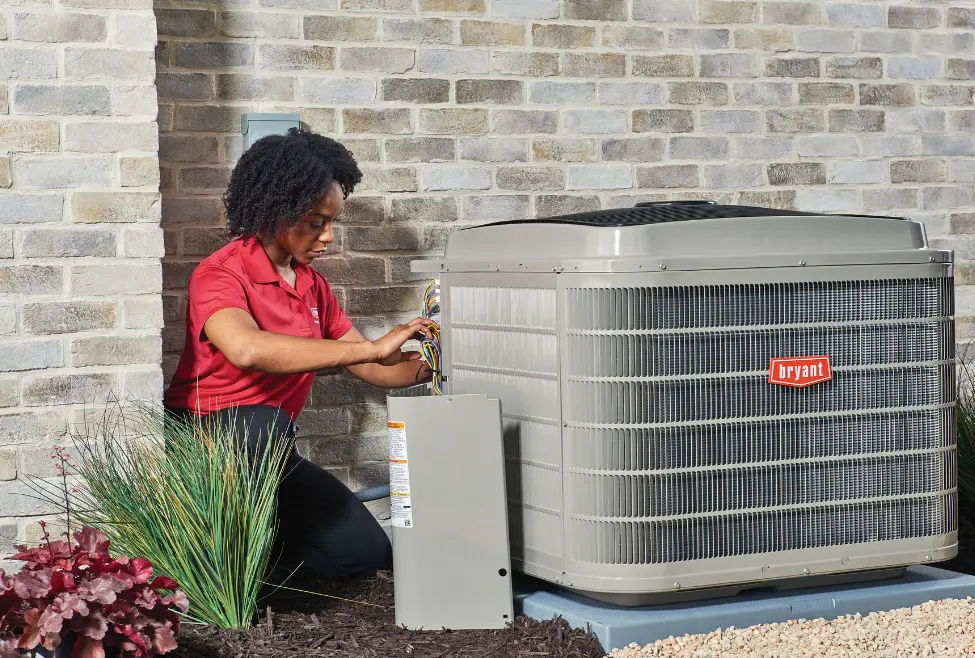
HVAC technician smiling next to residential AC unit, representing Lochard HVAC, Plumbing, and Service. Highlights affordable air conditioner installation, AC replacement cost, HVAC services near me, and average cost to install central air. Trust us to help with AC installation cost, average cost to install AC unit, how much to install central air, air conditioner replacement cost, HVAC installation cost, cost to install HVAC system, new AC unit cost, central air installation price, cost to replace air conditioner, HVAC services near me, AC installation near me, affordable HVAC installation, residential HVAC services, Lochard HVAC installation, central air cost near me, AC repair and installation, home cooling system installation, HVAC company near me, local HVAC installer, air conditioning services near me, energy-efficient AC installation, AC upgrade cost, Lochard HVAC, Plumbing, and Service, air conditioner installation pricing, HVAC financing options.

What Is the Average Cost to Install an AC?

How Much Does It Really Cost to Install a New AC?

When the summer heat kicks in, the last thing any homeowner wants is a struggling or broken AC unit. One of the most common questions we hear from customers in Troy, Piqua, Sidney, Bellefontaine, Celina, and Tipp City is: What is the average cost to install an AC? The answer depends on a variety of factors, from the size of your home to the system’s energy efficiency rating. At Lochard HVAC, Plumbing, and Service, we believe in transparency, which is why we’re breaking it all down for you here.

Understanding the Average AC Installation Cost

The average cost to install a central air conditioning system ranges from $4,000 to $10,000 in Ohio. For most residential homes, you can expect the final price to fall between $5,500 and $7,500. This price range includes equipment, labor, and any necessary ductwork or electrical upgrades.

That said, many variables affect the final installation cost:

  • System Size (BTUs or tonnage)
    Larger homes require more cooling power, which increases the cost.

  • SEER Rating (Seasonal Energy Efficiency Ratio)
    Higher SEER ratings improve energy efficiency but often come with a higher upfront price.

  • Type of System
    Whether you’re installing a traditional split system, a ductless mini-split, or upgrading an existing unit will impact the cost.

  • Home Layout and Ductwork
    Older homes may require ductwork modifications or new duct installation, which adds to labor costs.

  • Local Climate and Building Code Requirements
    Ohio weather and compliance with local codes in areas like West Milton and New Bremen can affect material and permit costs.

Installation with Long-Term Savings in Mind

While the upfront cost can be significant, today’s air conditioners offer higher efficiency and better indoor air quality. Upgrading to an ENERGY STAR® rated unit can significantly lower your utility bills and provide consistent, reliable comfort.

We also recommend routine maintenance after installation. Our AC maintenance and repair services help prevent breakdowns, extend system life, and protect your investment.

Flexible Financing Options

Worried about the upfront cost? At Lochard Inc., we make comfort accessible with HVAC financing options designed to fit your budget. Whether you’re replacing a broken system or upgrading for better performance, we can help make it affordable with low monthly payments.

Serving Your Ohio Community

From quick installs in Anna to full system upgrades in Jackson Center, Lochard HVAC, Plumbing, and Service proudly serves:

Our local technicians are known for fast, professional HVAC service and honest advice backed by decades of experience.

Get a Custom AC Installation Quote

Every home is different—and so is every AC install. The best way to get an accurate estimate is to book a consultation. Whether you’re dealing with an outdated unit or building a new home, Lochard HVAC, Plumbing, and Service is here to help you stay cool and comfortable.

Schedule an estimate today or call us to learn more about the best AC system for your needs and budget.

FAQs

How much does it cost to have someone install an AC unit?

The cost to install an AC unit varies based on the type of system, home size, and installation complexity. Typically, professional installation ranges from $3,000 to $7,000. Factors like labor, ductwork adjustments, and the quality of the equipment influence the final price.

What is the $5000 rule for HVAC?

The “$5000 rule” is a general estimate for replacing both heating and cooling systems. Many homeowners budget around $5,000 for a mid-range HVAC system installation, though actual costs depend on system efficiency, brand, and installation specifics.

How much does it cost to put AC in a 2000 sq ft house?

For a 2,000 square foot home, installing central AC usually costs between $4,000 and $7,000. The price depends on system type, energy efficiency, ductwork condition, and local labor rates.

Why is AC installation so expensive?

AC installation costs can be high due to the skilled labor involved, electrical work, duct system modifications, and the cost of quality HVAC equipment. Permits and ensuring the system is properly sized for efficiency also add to the expense.

Does homeowners insurance cover AC units?

Most homeowners insurance policies don’t cover routine AC repairs or wear and tear but may cover damage caused by events like storms, fire, or theft. It’s important to check your specific policy to understand what’s included.

If you have more questions about HVAC installation costs or want personalized guidance, reach out to us anytime!

Residential HVAC system installed outside a home, representing affordable HVAC financing options, new AC installation, and energy-efficient heating and cooling systems by Lochard HVAC, Plumbing, and Service. Trust us to help with best way to finance a new HVAC system, HVAC financing options, HVAC payment plans, affordable HVAC installation, how to pay for a new HVAC system, new air conditioner financing, furnace financing near me, AC system payment plans, HVAC system financing near me, no money down HVAC installation, HVAC replacement financing, HVAC upgrade financing, Lochard HVAC financing, air conditioner financing options, best HVAC financing companies, flexible HVAC financing terms, energy-efficient HVAC system financing, monthly payment HVAC plans, heating and cooling system financing near me, HVAC loan options, AC and furnace financing deals, new HVAC system cost help, local HVAC financing solutions, HVAC system payment help, HVAC contractor with financing.

The Best Way to Finance a New HVAC System

Smart Solutions for Affordable Home Comfort

Upgrading to a new HVAC system is one of the smartest things you can do to boost comfort, improve indoor air quality, and reduce energy bills. But when it’s time for a replacement, the price tag can be a concern. If you’re wondering about the best way to finance a new HVAC system, Lochard HVAC, Plumbing, and Service is here to help.

We make financing simple and stress-free, with flexible options that work with your budget—so you can get the system you need without putting off the upgrade.

Why Finance Your HVAC System?

A new HVAC system can cost several thousand dollars, depending on your home’s size, the type of system you choose, and your installation needs. Financing gives homeowners the flexibility to:

  • Spread out payments over time

  • Preserve savings or emergency funds

  • Upgrade to a more energy-efficient system

  • Avoid putting off necessary replacements

Whether you’re dealing with frequent breakdowns, rising utility bills, or an outdated system, financing can help you act now without the financial burden of a large lump-sum payment.

What’s the Best Way to Finance a New HVAC System?

There are several options available to homeowners when it comes to financing:

In-House Financing

Many homeowners choose in-house financing through an HVAC company like Lochard HVAC, Plumbing, and Service. These plans often come with promotional interest rates, flexible terms, and fast approvals.

Home Equity Loans or HELOC

If you’ve built up equity in your home, a loan or line of credit against it can provide a low-interest way to finance your HVAC system.

Personal Loans

Unsecured loans from a bank or credit union can also be a viable option. These don’t require collateral but may have slightly higher interest rates.

Credit Cards

Some homeowners opt to use credit cards, particularly those with low-interest intro periods or cashback rewards. This is better suited for smaller repair jobs or when you plan to pay off the balance quickly.

What to Consider When Choosing a Financing Option

Here are a few key things to look for:

  • Interest rate – Make sure the total cost over time makes sense

  • Loan term – Shorter terms may save money in the long run

  • Monthly payments – Choose a plan that fits your budget

  • Prepayment penalties – Some loans charge extra for early payoff

Our team can help you evaluate your options and find a plan that works for you.

Serving Your HVAC Needs Across West Central Ohio

Lochard HVAC, Plumbing, and Service proudly provides full-service HVAC and plumbing solutions to homes and businesses in:

No matter where you are in the region, our technicians deliver professional service with honesty, integrity, and expert care.

Let’s Make Your Comfort Affordable

If your HVAC system is aging or unreliable, don’t wait to replace it. The best way to finance a new HVAC system is with help from a local team that puts your comfort first. Lochard HVAC, Plumbing, and Service can help you find the right system—and the right financing plan—for your home.

Contact us today to learn more about our HVAC installation and financing options.

FAQs

How do people afford a new HVAC system?

Many homeowners afford a new HVAC system through flexible financing options offered by local HVAC companies, like in-house payment plans, low-interest loans, or home improvement financing programs. These options make it easier to invest in energy-efficient systems without large upfront costs, especially when unexpected HVAC breakdowns happen.

What is the best way to finance an HVAC system?

The best way to finance an HVAC system depends on your credit, budget, and timeline. In-house financing is often the most convenient and accessible, offering competitive rates and fast approval. Some homeowners also explore personal loans, home equity lines of credit, or HVAC financing through utility rebate programs.

Is it better to finance or pay cash for HVAC?

Paying cash for a new HVAC system can save you money on interest, but financing allows you to keep your savings intact and upgrade your system sooner. If your current system is failing or inefficient, financing can help you reduce monthly energy bills right away while spreading out payments.

What credit score do you need to finance an AC unit?

Most financing programs for air conditioners and HVAC systems require a minimum credit score in the mid-600s. However, some lenders and HVAC companies offer flexible financing options for a wider range of credit profiles, including promotional financing for qualified buyers.

How long can you finance HVAC?

HVAC financing terms typically range from 12 to 72 months, depending on the lender and your financial needs. Some plans offer low monthly payments over longer terms, while others allow you to pay off your system quickly with little or no interest during promotional periods.

Need help choosing the right financing option? Contact Lochard HVAC, Plumbing, and Service today—we’re happy to walk you through your best options and help you invest in long-term home comfort.

HVAC technician using a refrigerant gauge to check Freon levels in an air conditioner, showing how to add refrigerant to AC, AC not blowing cold air, AC low on Freon, and AC repair services by Lochard HVAC, Plumbing, and Service. Call us today for help with how to add refrigerant to ac, AC refrigerant refill, AC Freon recharge, add Freon to air conditioner, air conditioner not cooling, AC low on refrigerant, HVAC refrigerant service, Freon leak repair, AC recharge near me, HVAC recharge service near me, Lochard HVAC services, air conditioning repair near me, residential AC repair, HVAC technician near me, Freon level check, emergency AC repair, central air not cooling, AC not blowing cold air, HVAC maintenance service, air conditioner refrigerant issues, cooling system recharge, HVAC repair Troy OH, AC tune-up near me, Lochard HVAC Plumbing and Service.

How to Add Refrigerant to Your AC

Understanding Refrigerant and Its Role

When your air conditioner isn’t cooling the way it should, low refrigerant is often the culprit. If you’ve been Googling “how to add refrigerant to AC,” you’re not alone. It’s a common issue that can leave homes uncomfortably warm during Ohio’s hot summer months. However, recharging refrigerant isn’t a typical DIY job—and doing it wrong can cause major damage.

At Lochard HVAC, Plumbing, and Service, we specialize in keeping your AC system running efficiently and safely across Troy, Sidney, Piqua, Bellefontaine, Celina, and Tipp City. Below, we break down why your AC might need refrigerant, what the process involves, and why a licensed HVAC technician should handle it.

What Does Refrigerant Do?

Refrigerant is the chemical responsible for absorbing heat from inside your home and releasing it outside. When your system runs low, it can’t cool properly—leading to higher energy bills, short cycling, and poor indoor comfort. If you’re hearing your AC run but not feeling the cold air, you might need a refrigerant recharge.

Signs Your AC Might Be Low on Refrigerant

  • Your home isn’t cooling evenly or at all

  • Warm air is coming out of the vents

  • You notice ice on the refrigerant lines or evaporator coil

  • You hear a hissing or bubbling noise (which could indicate a leak)

  • Your energy bills are rising unexpectedly

Can You Add Refrigerant to Your AC Yourself?

Technically, refrigerant can be added, but only by a certified HVAC technician. It’s not a matter of just pouring in coolant. The system needs to be checked for leaks, evacuated, and recharged precisely to manufacturer specifications. Adding too much or too little can lead to compressor damage and system failure.

Improper handling can also be harmful to the environment and may even violate federal regulations. That’s why we always recommend scheduling a professional AC repair or cooling service with our trained team.

Our Professional Recharge Process

At Lochard HVAC, Plumbing, and Service, here’s what we do when your system needs refrigerant:

  1. Full System Inspection – We identify any potential refrigerant leaks or system issues.

  2. Leak Repair – If necessary, we seal the leak before any recharging happens.

  3. Evacuation – We remove all remaining refrigerant and moisture from the lines.

  4. Precise Recharge – We add the exact amount of refrigerant your unit needs.

  5. Performance Testing – We test the AC to make sure it’s cooling efficiently.

Serving Your Area

We proudly provide professional AC services in:

Need a Recharge? We’ve Got You Covered

If your AC isn’t cooling properly and you suspect low refrigerant, don’t try to fix it yourself. Contact Lochard HVAC, Plumbing, and Service for fast, reliable air conditioning service done right.

FAQs

Can I add my own refrigerant to my AC?

Adding refrigerant to your air conditioner yourself is not recommended. It requires specialized tools, proper safety precautions, and EPA certification. Overcharging or undercharging refrigerant can damage your system and even void your manufacturer’s warranty. If you’re searching “how to add refrigerant to AC,” it’s a sign to call a licensed HVAC professional who can inspect, diagnose, and recharge your system safely.

How do I know if my AC is low on Freon?

Common signs your AC is low on Freon include warm air blowing from the vents, weak airflow, ice buildup on refrigerant lines, or higher-than-usual energy bills. You might also hear a hissing sound near the unit, which could indicate a refrigerant leak. A proper diagnosis from a certified technician is the only way to confirm low refrigerant and identify the source of the issue.

How many cans of Freon does it take to recharge an air conditioner?

The number of refrigerant cans or pounds needed depends on your AC unit’s size, system type, and how much refrigerant has leaked. Residential units typically hold between 2 to 10 pounds, but adding refrigerant without knowing the system specifications can cause serious damage. An HVAC technician will use gauges to determine the exact amount needed.

How do I fix low refrigerant in my AC unit?

To fix low refrigerant in your AC, the system first needs to be inspected for leaks. Simply adding Freon won’t resolve the issue if there’s an underlying leak. After repairing any leaks, the system should be evacuated and recharged with the correct type and amount of refrigerant, which is something only a certified HVAC technician should handle.

Is it bad to run AC with low refrigerant?

Yes, running your air conditioner with low refrigerant can put excessive strain on the compressor and other components, leading to major AC system damage and reduced efficiency. It can also cause your system to freeze up or overheat. If your AC is running but not cooling, it’s best to shut it off and call for professional AC service.

Need help with low refrigerant or AC repairs? Lochard HVAC, Plumbing, and Service offers trusted cooling services in Troy, Sidney, Piqua, Casstown, Kettlersville, and nearby areas—backed by decades of experience and quality you can count on.

HVAC technician checking refrigerant levels on a home air conditioner, diagnosing why AC is not blowing cold air, low Freon levels, AC repair, cooling system service, Lochard HVAC, Plumbing, and Service. Call us now for help with why is my AC not blowing cold air, AC not cooling, air conditioner not working, AC blowing warm air, air conditioner repair near me, central AC not cooling, HVAC repair near me, AC troubleshooting, home AC blowing hot air, Freon recharge near me, low refrigerant AC symptoms, residential air conditioning repair, Lochard HVAC repair services, air conditioner maintenance near me, emergency AC repair, AC compressor issues, AC service near me, air conditioning not cold, best HVAC company near me, HVAC technician near me, AC checkup services, AC not turning on, AC unit not cooling house, air conditioning inspection near me.

Why Is My AC Not Blowing Cold Air?

Is Your AC Running but Not Cooling?

When summer heat hits and your air conditioner isn’t blowing cold air, it’s more than just an inconvenience—it can signal underlying issues. At Lochard HVAC, Plumbing, and Service, we understand how crucial a functioning AC is for comfort in Piqua, Troy, Sidney, Celina, Tipp City, and Bellefontaine. Let’s explore common reasons your AC might not be cooling effectively and how to address them.

Common Reasons Your AC Isn’t Blowing Cold Air

1. Dirty or Clogged Air Filter

A dirty air filter restricts airflow, causing your AC to work harder and less efficiently. Regularly replacing or cleaning the filter can restore proper airflow and cooling performance.

2. Low or Leaking Refrigerant

Refrigerant is essential for cooling. Leaks can reduce cooling efficiency and damage the compressor. If you suspect a leak, it’s best to consult a professional for repair and recharging.

3. Frozen Evaporator Coil

A frozen coil can result from low refrigerant or poor airflow due to dirty filters. This prevents the AC from cooling properly. Turning off the unit to allow the coil to thaw and addressing the underlying issue is necessary.

4. Blocked or Dirty Condenser Coils

The condenser coils release heat from your home. If they’re dirty or blocked, heat transfer is impeded, reducing cooling efficiency. Cleaning the coils can improve performance.

5. Thermostat Issues

Incorrect settings or a malfunctioning thermostat can prevent your AC from cooling. Ensure it’s set to “cool” and the temperature is lower than the current room temperature. If problems persist, the thermostat may need replacement.

6. Leaky or Blocked Ductwork

Leaks or blockages in the ductwork can prevent cool air from reaching your rooms. Inspect ducts for visible damage or obstructions and consult a professional for repairs.

7. Tripped Circuit Breaker or Blown Fuse

Electrical issues can stop your AC from operating. Check your home’s circuit breaker or fuse box for any tripped breakers or blown fuses and reset or replace them as needed.

Preventive Measures

  • Regular Maintenance: Schedule annual AC tune-ups to keep your system running efficiently.

  • Filter Replacement: Change or clean filters every 1-3 months, depending on usage and air quality.

  • Thermostat Checks: Ensure your thermostat is functioning correctly and set appropriately.

Need Professional Help?

If your AC isn’t blowing cold air and basic troubleshooting doesn’t resolve the issue, it’s time to call in the experts. At Lochard HVAC, Plumbing, and Service, we offer comprehensive AC repair and maintenance services to ensure your home stays comfortable year-round.

Contact Lochard HVAC, Plumbing, and Service Today

Serving West Milton, New Bremen, Anna, Jackson Center, Degraff, and Quincy, we’re here to help with all your HVAC needs. Schedule an appointment online today to learn more.

FAQs

Why is my AC running but not cooling?

If your AC is running but not cooling, it could be due to a clogged air filter, low refrigerant levels, a malfunctioning thermostat, or dirty condenser coils. Each of these issues prevents the system from effectively removing heat from your home, resulting in warm airflow.

How do I fix my AC that isn’t blowing cold air?

Start with the basics: replace the air filter, check the thermostat settings, and inspect the outdoor unit for debris. If the problem continues, the issue could involve refrigerant levels, a frozen evaporator coil, or electrical faults—these typically require professional AC repair services.

How do I know if my AC is low on Freon?

Common signs of low Freon include weak airflow, warm air from vents, hissing or bubbling noises, ice buildup on the refrigerant lines, and higher-than-normal energy bills. An HVAC technician can confirm the levels and check for leaks.

How much does it cost to fill Freon in an AC unit?

The cost to refill Freon varies based on the type of refrigerant and how much your system needs. On average, it can range from $150 to $600 or more, especially if a leak must be repaired before the recharge.

How long does Freon last in an AC unit?

Freon should last the entire lifespan of your air conditioner—typically 10 to 15 years—unless there’s a leak. If your system frequently requires a recharge, there’s likely a leak that should be addressed.

If you’re still wondering “why is my AC not blowing cold air?” or you’re ready to schedule expert AC service, the team at Lochard HVAC, Plumbing, and Service is just a call away. From diagnostics and repairs to full AC replacement, we’re here to keep your home cool and comfortable.

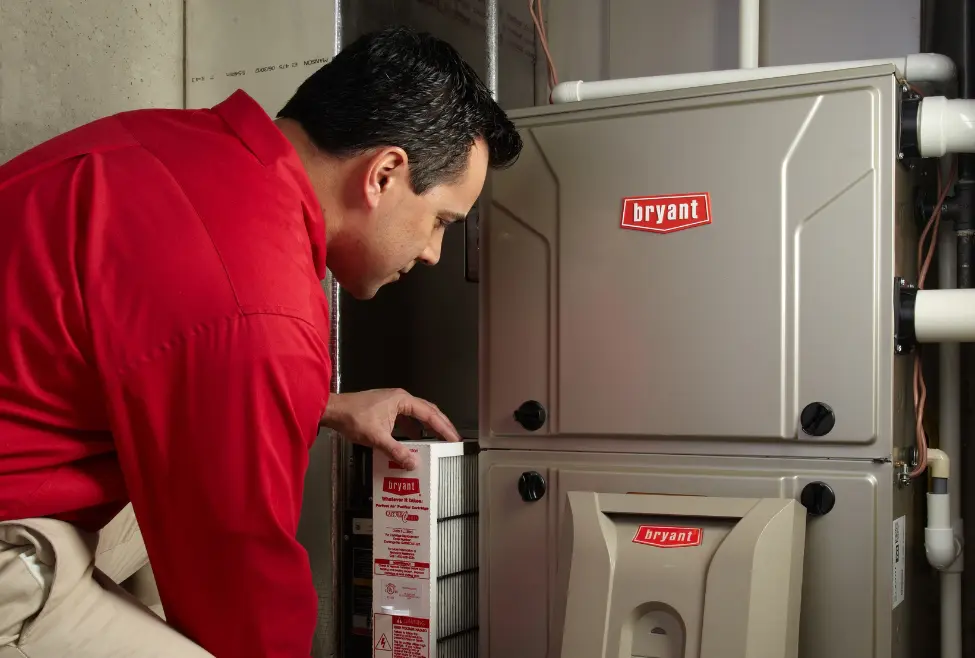
Dirty HVAC air filter showing incorrect installation direction, a common issue when homeowners search 'which way does an air filter go'—Lochard HVAC, Plumbing, and Service provides air filter replacement, HVAC maintenance, and AC repair services. Call us today for help with which way does an air filter go, how to install HVAC air filter, air filter direction arrow, air filter installation guide, air filter backwards symptoms, furnace air filter direction, AC air filter airflow direction, HVAC air filter maintenance, how to replace air filter in HVAC, home air filter replacement near me, air conditioner filter installation, which direction does the air filter go in a furnace, HVAC services near me, air filter not working properly, dirty air filter signs, Lochard HVAC air filter services, AC maintenance near me, HVAC tune-up near me, HVAC repair services, heating and cooling services, HVAC system inspection, filter replacement services near me, air quality services near me.

Which Way Does an Air Filter Go?

Tips for Proper HVAC Filter Installation

If you’ve ever stood in front of your HVAC system wondering which way does an air filter go?, you’re definitely not alone. While it seems like a simple task, installing your air filter in the wrong direction can lead to poor airflow, reduced efficiency, and even damage to your HVAC unit.

Let’s walk through how to properly install an HVAC filter, why it matters, and what homeowners in Troy, Sidney, Piqua, Bellefontaine, Celina, and Tipp City should keep in mind for better indoor air quality and HVAC performance.

Why Filter Direction Matters

Your HVAC system is designed to pull air in through the return duct, filter it, then push it back into your home. Air filters have a specific airflow direction, and installing them backward can restrict airflow, make your blower motor work harder, and allow unfiltered air into your system.

When airflow is blocked or misdirected, it not only lowers your indoor air quality but also increases energy usage and utility bills. Worse, it can shorten the lifespan of your HVAC equipment and lead to preventable breakdowns.

How to Tell Which Way the Air Filter Goes

Every air filter has an arrow printed on the frame that shows the correct airflow direction. Here’s how to install it correctly:

  • Locate the arrow on the filter – this indicates the direction the air should flow through the filter.

  • Point the arrow toward the HVAC unit – the arrow should face the blower motor or into the ductwork if it’s a return vent.

  • Insert snugly and securely – make sure the filter is aligned and seated properly to prevent air leaks.

Still unsure? If you have a wall or ceiling return vent, the arrow should face inward, toward the duct. If you’re installing at the unit itself, point the arrow inward toward the blower.

How Often Should I Change My HVAC Filter?

Changing your air filter regularly helps maintain efficiency and prevent wear on your system. We generally recommend:

  • Every 30–60 days for standard 1-inch filters

  • Every 90 days or longer for high-efficiency or thicker filters

If you have pets, allergies, or live in a dusty area, you may want to check and replace filters more frequently. Staying on top of this simple task can significantly reduce HVAC repair needs and improve your home’s air quality.

Common Signs Your Filter May Be Installed Incorrectly

  • Uneven airflow from vents

  • Rising energy bills

  • Excess dust in the home

  • HVAC system struggling to cool or heat

  • A whistling sound near the filter slot

If you’re seeing any of these signs, it’s worth double-checking that your air filter is installed correctly — and isn’t overdue for replacement.

Serving the Greater Miami Valley

At Lochard HVAC, Plumbing, and Service, we proudly help homeowners throughout:

From filter installation and HVAC repair to system upgrades, we’re here to make comfort easy and maintenance simple.

Need help with your HVAC system?

Whether it’s an air filter issue or something more, contact the trusted team at Lochard HVAC, Plumbing, and Service for expert service and honest solutions.

FAQs

How do I know which way my air filter goes?

Most air filters have an arrow printed on the frame that indicates the direction of airflow. This arrow should always point toward the HVAC unit or blower motor. If you’re installing the filter in a wall or ceiling return vent, the arrow should face inward toward the ductwork. Installing the filter in the correct direction ensures proper airflow, better indoor air quality, and prevents strain on your system.

Do arrows on air filters always point towards the blower?

Yes, the arrow on an air filter always points in the direction of the airflow — which means it should face the blower motor or furnace. Whether you’re changing a furnace filter or replacing an AC filter, the rule remains the same: air flows from the return side to the unit, and the arrow should follow that path.

What happens if I put the air filter in backwards?

If you install your air filter backwards, it can restrict airflow, lower your system’s efficiency, and even damage internal components like the blower motor or evaporator coil. A backwards filter won’t trap dust and debris properly, which can lead to clogged coils, reduced air circulation, higher energy bills, and unnecessary HVAC repairs.

Is there a wrong way to put in an air filter?

Yes — inserting the air filter the wrong way, especially against the airflow direction, can negatively affect your HVAC system. It may seem like the filter still fits, but when installed incorrectly, it can cause reduced efficiency, poor filtration, and even system damage over time. Always follow the airflow arrow on the filter for proper installation.

What if there is no arrow on the air filter?

If your air filter doesn’t have an arrow, look closely at the sides — sometimes it’s faint or printed along the edge. If you still can’t find it, a good rule of thumb is to install the side with the wire mesh or cardboard backing facing the unit, and the softer, pleated side facing the return duct. The reinforced side supports the filter as air passes through it, helping it stay in place during operation.

Still have questions about HVAC filter installation or airflow issues? Contact Lochard HVAC, Plumbing, and Service for expert guidance and professional support. We’re here to keep your system running efficiently year-round.

HVAC technician installing a new air conditioner outside a home, showing residential AC installation, air conditioner replacement cost, and expert HVAC service by Lochard HVAC, Plumbing, and Service. Trust us to help with how much is a new AC unit, new AC unit cost near me, air conditioner replacement cost, central air installation prices, HVAC installation near me, cost of central air unit, residential air conditioning prices, how much to install central AC, air conditioning installation services, HVAC services near me, AC unit installation near me, home AC replacement, central air conditioning cost for 2000 sq ft, air conditioning contractor near me, affordable AC installation, HVAC repair and installation, Lochard HVAC services, cooling system replacement cost, best HVAC companies near me, AC unit pricing guide, energy-efficient AC unit cost, local HVAC experts, home cooling system costs. We offer AC Installation Piqua, AC Installation Troy, AC Installation Sidney, AC Installation Bellefontaine, AC Installation Celina, AC Installation Wapakoneta, AC Installation St. Marys, AC Installation Tipp City, AC Installation West Milton, AC Installation Covington, AC Installation St. Paris, AC Installation Versailles, AC Installation New Bremen, AC Installation Minster, AC Installation Anna, AC Installation Fort Loramie, AC Installation Russia, AC Installation Jackson Center, AC Installation Indian Lake, AC Installation Bradford, AC Installation Botkins, AC Installation Degraff, AC Installation Quincy, AC Installation Houston, AC Installation Casstown, AC Installation Kettlersville.

How Much Is a New AC Unit?

What Homeowners Should Know Before Replacing Their System

If you’re sweltering in the summer heat and wondering how much is a new AC unit, you’re not alone. At Lochard HVAC, Plumbing, and Service, we get this question from homeowners across Piqua, Troy, Sidney, Bellefontaine, Celina, and Tipp City. Whether your current unit is struggling to keep up or you’ve noticed rising energy bills, it might be time to consider an upgrade.

What Impacts the Cost of a New AC Unit?

The cost of a new air conditioning unit can vary based on several key factors:

  • Unit Size (BTU/Tonnage): A larger home might require a 4-ton system, while a smaller home could get by with a 2-ton.

  • Energy Efficiency Ratings (SEER): High-efficiency AC units can cost more upfront but save you money over time.

  • Installation Complexity: Older homes or those needing ductwork repairs may increase installation costs.

  • Brand & Model: Brands like Bryant and Carrier offer premium options with advanced features.

On average, residential AC replacement can cost anywhere from $3,500 to $7,500, depending on the specifics.

You can learn more about our AC replacement and installation services and request an estimate that fits your needs and budget.

Signs You Might Need a New AC Unit

Still on the fence? These signs might indicate it’s time to stop repairing and start replacing:

  • Your AC is over 10–15 years old

  • You’ve noticed frequent breakdowns

  • The system runs constantly but doesn’t cool properly

  • Energy bills keep rising despite thermostat changes

If your AC isn’t cooling like it used to in West Milton or you’re hearing strange noises in your New Bremen home, don’t wait until peak summer hits. Upgrading to a high-efficiency system can improve comfort and reduce costs long term.

Energy Efficiency Pays Off

Newer units with higher SEER ratings not only cool your home more effectively but also reduce environmental impact. Plus, many homeowners in Sidney and Troy qualify for energy rebates or financing options when they install qualifying systems with Lochard.

We specialize in high-efficiency HVAC upgrades tailored to your home, and our technicians will ensure everything is installed properly, the first time.

Why Work With Lochard HVAC, Plumbing, and Service?

With decades of experience, we’re a trusted name in HVAC service across west-central Ohio. Our team provides:

Whether you need help determining how much is a new AC unit or want help with air conditioning repairs, our licensed technicians are here for you.

Get a Customized AC Quote Today

If you’re in Anna, Jackson Center, Degraff, Quincy, Casstown, or Kettlersville and want to know the cost of a new air conditioning system, contact Lochard HVAC, Plumbing, and Service today. We’ll help you choose the right system and keep your home cool and efficient for years to come.

Schedule your consultation or give us a call to get started.

FAQs

How much should a new AC unit cost?

The cost of a new AC unit generally falls between $3,500 and $7,500, depending on factors like the unit’s size, energy efficiency rating, brand, and installation complexity.

How much is a new air conditioner for 2000 sq ft?

For a home around 2,000 square feet, most homeowners can expect to pay between $4,500 and $8,000 for a properly sized and installed central air system. This range may vary based on ductwork condition and local energy requirements.

Is it worth it to replace an AC unit?

If your AC is over 10–15 years old, frequently needs repairs, or has a low SEER rating, replacing it is typically more cost-effective in the long run. New systems offer improved efficiency, quieter operation, and better indoor comfort.

Should I replace a 20 year old AC unit?

Yes, most AC units have a lifespan of 15–20 years. Even if your older system still runs, it’s likely inefficient and at risk for major failure, especially during peak summer months.

Does home insurance cover an AC unit?

Home insurance might cover AC damage caused by sudden or accidental events, like storms or vandalism. However, it typically doesn’t cover issues related to normal wear and tear, lack of maintenance, or old age.

Need help finding the right AC solution? Contact Lochard HVAC, Plumbing, and Service for a quote on a new high-efficiency air conditioner tailored to your home and budget.

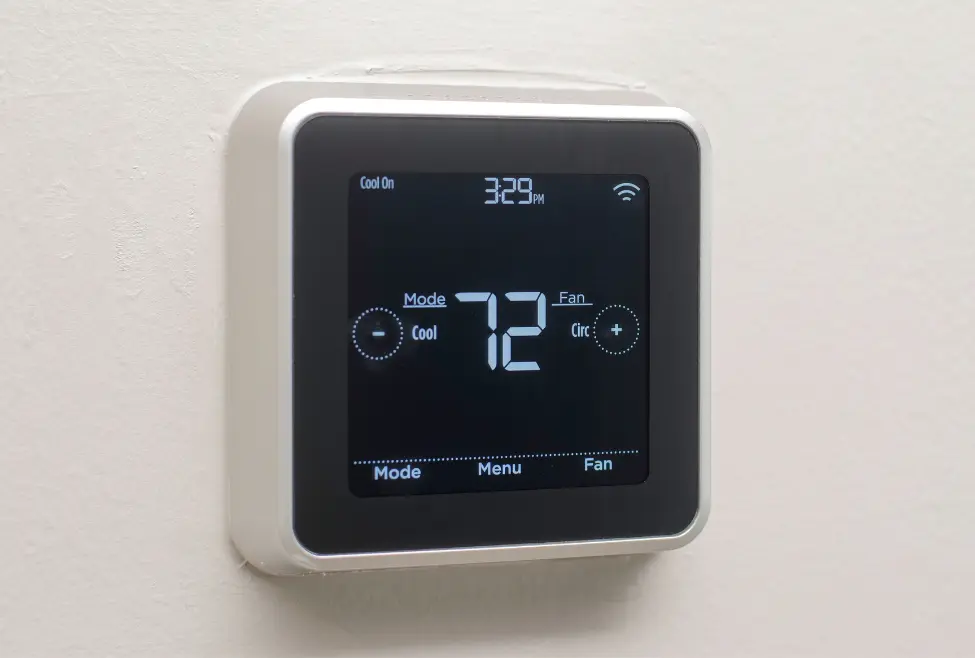
Smart thermostat close-up on white wall displaying “cool on,” indicating delay mode or cooling issue—common HVAC problem related to thermostat flashing cool on, air conditioning not turning on, and AC repair services from Lochard HVAC, Plumbing, and Service. Contact us now for help with thermostat flashing cool on, thermostat says cool on but AC not running, thermostat in delay mode, why is my thermostat blinking cool on, thermostat flashing cool on fix, HVAC troubleshooting thermostat cool on, air conditioner not turning on, AC repair near me, HVAC technician near me, smart thermostat not cooling, thermostat problems AC, thermostat blinking cool meaning, AC not working thermostat says cool, HVAC repair services, HVAC maintenance near me, thermostat reset service, home cooling issues, HVAC system inspection, thermostat installation, air conditioning services near me, Lochard HVAC services, AC tune-up near me, HVAC diagnostics, thermostat delay mode fix.

Why Is My Thermostat Flashing “Cool On”?

Troubleshooting Your Cooling System

When your home suddenly feels warmer than it should, you glance at the thermostat and notice it flashing “Cool On.” What does this mean—and why isn’t your air conditioner working? At Lochard HVAC, Plumbing, and Service, we get this question all the time, especially during peak cooling season. Let’s break down why your thermostat is flashing cool on, what it means for your HVAC system, and what you should do next.

What Does “Cool On” Mean?

When your thermostat is flashing “Cool On”, it’s usually a signal that your HVAC system is in a delay mode. Most digital thermostats have built-in time delays to protect your AC system from short cycling (turning on and off too quickly). If you’ve just adjusted your settings or there was a recent power outage, the system might be holding off before kicking on the AC compressor.

This delay can last from 5 to 10 minutes and is completely normal. However, if the flashing lasts longer or your air conditioning never turns on, it could be a sign of a more serious issue.

Common Reasons Your Thermostat Is Flashing “Cool On”

There are a few common causes homeowners in Troy, Sidney, Piqua, Bellefontaine, Celina, and Tipp City experience when dealing with this issue:

  • Thermostat delay mode
    As mentioned, this is often a built-in feature. Wait a few minutes to see if the system kicks on.

  • Dirty air filters
    A clogged filter can block airflow, causing your AC system to shut down. Regular HVAC maintenance can help prevent this.

  • Frozen evaporator coils
    If your system has been running too hard or has poor airflow, the coils can freeze and trigger a system delay.

  • Low refrigerant levels
    If refrigerant is low, your system might stop cooling altogether. A licensed technician from our team can check your AC system for leaks and recharge the refrigerant if necessary.

  • Faulty thermostat
    Sometimes the thermostat itself may be failing, leading to incorrect signals being sent to your HVAC system.

What You Can Try First

Before calling in the professionals, here are a few steps you can take:

  • Wait 10 minutes to see if the flashing stops and the system turns on.

  • Check your air filter and replace it if it’s dirty.

  • Ensure the thermostat has working batteries or is properly powered.

  • Reset the thermostat by turning the system off, waiting 30 seconds, and turning it back on.

When to Call the Pros

If your system still isn’t cooling or the thermostat continues flashing “Cool On”, it’s time to bring in a professional. At Lochard HVAC, Plumbing, and Service, we provide expert air conditioning repair and diagnostics to get your home back to a comfortable temperature fast. We’ve helped thousands of homeowners throughout West Milton, New Bremen, Anna, Jackson Center, Degraff, and Quincy with fast, reliable HVAC service.

Whether it’s a cooling system delay, a thermostat issue, or a deeper AC problem, our experienced team will get to the root of it.

Need Help With Your Thermostat or AC?

If your thermostat is stuck flashing or your AC just won’t cool, contact Lochard HVAC, Plumbing, and Service today. We offer fast, reliable air conditioning service backed by decades of experience.

FAQs

What does it mean when my thermostat is blinking cool on?

When your thermostat is blinking “Cool On,” it typically means the system is in delay mode. This safety feature prevents short cycling, which can damage your air conditioning unit. If the blinking continues beyond 5–10 minutes, it may indicate a deeper issue like a refrigerant problem, dirty filter, or wiring malfunction.

Why is my thermostat in delay mode?

A thermostat enters delay mode to protect your HVAC system after a recent shutdown, power loss, or temperature setting change. This built-in delay allows pressure in your AC compressor to stabilize before the system restarts, ensuring your unit operates safely and efficiently.

Why does my thermostat say cool on but the AC is not running?

If your thermostat says “Cool On” but your air conditioner isn’t running, it could be due to delay mode, a faulty thermostat, a tripped breaker, a dirty air filter, or low refrigerant. It’s also possible the outdoor unit has lost power or needs a capacitor or motor repair.

How do you reset a flashing thermostat?

To reset a flashing thermostat, start by turning your HVAC system off at the thermostat and circuit breaker. Wait 30 seconds, then turn everything back on. If it’s battery-powered, replacing the batteries can help. For smart thermostats, follow the manufacturer’s reset instructions.

What does it mean when your thermostat is blinking low?

A blinking “Low” message on your thermostat usually means the battery is running out of power. Replace the batteries promptly to avoid losing thermostat functionality, which can disrupt your heating or cooling system’s performance.

Still seeing a flashing thermostat or dealing with AC issues? Schedule service with Lochard HVAC, Plumbing, and Service to get fast, professional help diagnosing and fixing your thermostat or air conditioning system.

Toilet with plunger next to it, showcasing effective plumbing tools for unclogging toilets. Lochard HVAC, Plumbing, and Service offers expert plumbing solutions for clogged toilets in Piqua, Troy, Sidney, and nearby areas. Contact us today for help with best plunger for toilet, best toilet plunger for clogs, effective toilet plungers, toilet clog solutions, plumbing tools for toilets, best tools for unclogging toilets, professional toilet unclogging, toilet drain cleaning, clogged toilet repair, toilet plunger for stubborn clogs, expert plumbing services near me, emergency plumbing services near me, toilet blockage removal, plumbing repair for toilets, affordable plumbing services in Piqua, Troy, Sidney, and nearby areas. We provide Toilet Repair Piqua, Toilet Repair Troy, Toilet Repair Sidney, Toilet Repair Bellefontaine, Toilet Repair Celina, Toilet Repair Wapakoneta, Toilet Repair St. Marys, Toilet Repair Tipp City, Toilet Repair West Milton, Toilet Repair Covington, Toilet Repair St. Paris, Toilet Repair Versailles, Toilet Repair New Bremen, Toilet Repair Minster, Toilet Repair Anna, Toilet Repair Fort Loramie, Toilet Repair Russia, Toilet Repair Jackson Center, Toilet Repair Indian Lake, Toilet Repair Bradford, Toilet Repair Botkins, Toilet Repair Degraff, Toilet Repair Quincy, Toilet Repair Houston, Toilet Repair Casstown, Toilet Repair Kettlersville.

Finding the Best Plunger for Your Toilet

Tips for Efficient Clogs Removal

Clogged toilets are never a pleasant surprise, but with the right tools, you can tackle this common issue quickly and efficiently. One of the most important tools you can have in your bathroom arsenal is a reliable plunger. But with so many options available, how do you know what is the best plunger for your toilet? In this blog post, we’ll discuss how to choose the best plunger for your needs and how Lochard HVAC, Plumbing, and Service can help with your plumbing issues in Piqua, Troy, and nearby areas.

Types of Plungers for Toilets

When it comes to unclogging toilets, not all plungers are created equal. Here’s a breakdown of the best plungers for toilet clogs:

  • Cup Plungers: The most common and affordable type of plunger, cup plungers have a simple rubber suction cup that creates pressure to dislodge clogs. These are great for basic toilet clogs and are a must-have in every home.

  • Flange Plungers: These plungers have a tapered flange on the bottom that fits into the drain opening of your toilet. The flange helps create a better seal, making it more effective at removing stubborn toilet clogs.

  • Accordion Plungers: With a bellows-style design, accordion plungers offer more pressure than cup plungers. They are typically used for more severe clogs, but they may be harder to use if you don’t have the strength to operate them effectively.

What Makes the Best Plunger for Toilet Clogs?

To find the best plunger for your toilet, there are a few things to consider:

  • Suction Power: The ability of a plunger to create suction is vital for dislodging the clog. Flange and accordion plungers typically provide better suction than traditional cup plungers.

  • Material Quality: Look for a plunger made from durable rubber, which is more likely to create a tight seal around the drain and last for many uses.

  • Handle Length: A longer handle allows for better leverage and more force when plunging. Choose a plunger with a handle length that feels comfortable for you.

  • Comfort: Since you’ll be using your plunger with force, a comfortable grip is crucial for keeping control. Look for plungers with ergonomic handles that prevent slipping.

When Should You Call a Professional?

Sometimes, no matter how many times you try to plunge, the clog just won’t budge. If your toilet keeps backing up despite using the best plunger for your toilet, it could be a sign of a more serious plumbing issue. That’s when it’s time to call in the professionals at Lochard HVAC, Plumbing, and Service.

We specialize in thorough plumbing services including drain cleaning, clogged toilet repairs, and toilet replacement in Sidney, Bellefontaine, Celina, Tipp City, West Milton, and New Bremen. Our experienced team can identify the root cause of your toilet issues and offer effective solutions that prevent future clogs.

How Lochard HVAC, Plumbing, and Service Can Help

At Lochard HVAC, Plumbing, and Service, we provide expert plumbing services that go beyond just unclogging toilets. We offer full plumbing diagnostics, pipe repairs, and sewer line services. If you find that your plunger isn’t enough, don’t hesitate to reach out. We are dedicated to delivering fast, reliable plumbing services to our customers.

Whether you need a new toilet installed or you’re experiencing frequent clogs, our team has the skills and tools to get the job done. Our service areas include Anna, Jackson Center, Degraff, Quincy, Casstown, and Kettlersville.

Finding the Right Plunger & Plumbing Help

The best plunger for your toilet depends on the severity of the clog and the features you need for a tight seal. While some clogs can be fixed with the right plunger, more stubborn issues may require professional plumbing services. Lochard HVAC, Plumbing, and Service is here to help with your plumbing needs. Our team is ready to provide expert solutions for all your plumbing problems.

If you’re dealing with frequent toilet clogs or a plumbing issue that’s beyond your control, don’t wait to get help. Contact Lochard HVAC, Plumbing, and Service today to schedule an inspection or service in Piqua, Troy, Sidney, and surrounding areas.

FAQs

What do plumbers recommend for a clogged toilet?

For clogged toilets, plumbers typically recommend starting with a flange plunger for the best seal and pressure. If that doesn’t work, using a toilet auger can help clear more stubborn blockages deep in the drain. In cases where these methods fail, it may indicate a larger issue, like a blocked sewer line, which may require professional attention.

Why won’t my toilet unclog after using a plunger?

If a plunger doesn’t unclog your toilet, the obstruction might be more serious, such as hard objects stuck in the pipes or a deeper sewer line issue. It could also mean a more complex blockage, requiring specialized tools like a toilet auger or a plumbing snake to clear it.

How to unblock a badly blocked toilet?

For a badly blocked toilet, start with a flange plunger. If that doesn’t work, a toilet auger can break up more difficult clogs. In some cases, hydro jetting might be necessary, especially if the blockage is in the pipes beyond the toilet. Hydro jetting uses high-pressure water to clear even tough clogs.

Can plunging make a clog worse?

Plunging can make a clog worse if excessive force is used or if the wrong plunger is applied. It can push the clog deeper into the pipes or even damage the toilet’s wax seal. If plunging doesn’t resolve the issue, it’s best to seek professional help to prevent further damage.

Will letting a clogged toilet sit unclog it?

Letting a clogged toilet sit is unlikely to solve the problem. The blockage could become harder to clear over time. Addressing the issue sooner with proper tools, such as a plunger or auger, will be more effective. If these methods don’t work, it’s best to call a professional plumber for a more thorough solution.

HVAC technician replacing a clogged air filter in a furnace to prevent frequent shutdowns. Lochard HVAC, Plumbing, and Service offers furnace repair, maintenance, and troubleshooting for overheating, short cycling, and airflow issues in Piqua, Troy, Sidney, Bellefontaine, and Wapakoneta. Call now for help with why does my furnace keep turning off, furnace keeps shutting down, furnace short cycling, furnace repair near me, furnace maintenance near me, HVAC troubleshooting, furnace issues, furnace not staying on, heating system shutting off, furnace service in Piqua, Troy furnace repair, Sidney HVAC technician, Bellefontaine furnace maintenance, furnace air filter issues, furnace overheating fix, furnace blower problems, furnace repair and maintenance, heating repair services near me, furnace diagnostics near me. We provide Furnace Repair Piqua, Furnace Repair Troy, Furnace Repair Sidney, Furnace Repair Bellefontaine, Furnace Repair Celina, Furnace Repair Wapakoneta, Furnace Repair St. Marys, Furnace Repair Tipp City, Furnace Repair West Milton, Furnace Repair Covington, Furnace Repair St. Paris, Furnace Repair Versailles, Furnace Repair New Bremen, Furnace Repair Minster, Furnace Repair Anna, Furnace Repair Fort Loramie, Furnace Repair Russia, Furnace Repair Jackson Center, Furnace Repair Indian Lake, Furnace Repair Bradford, Furnace Repair Botkins, Furnace Repair Degraff, Furnace Repair Quincy, Furnace Repair Houston, Furnace Repair Casstown, Furnace Repair Kettlersville.

Why Does My Furnace Keep Turning Off?

Common Causes and Fixes

A furnace that repeatedly turns off before fully heating your home can be frustrating, especially during cold Ohio winters. If you’ve been wondering, “why does my furnace keep turning off?”, you’re not alone. This issue, known as short cycling, can reduce your furnace’s efficiency, increase your energy bills, and lead to costly repairs if left unchecked. In this guide, we’ll go over the most common causes of a furnace shutting off unexpectedly and what you can do to fix it.

6 Reasons Your Furnace Keeps Turning Off

1. Dirty Air Filter

One of the most common reasons for short cycling is a clogged air filter. A dirty filter restricts airflow, causing the furnace to overheat and shut off as a safety measure. Replacing the air filter every 1-3 months can help prevent this issue and keep your furnace running smoothly.

2. Thermostat Issues

A malfunctioning thermostat can cause your furnace to turn off too soon or fail to maintain the set temperature. Check that your thermostat is placed away from heat sources and direct sunlight. If the issue persists, calibrating or replacing the thermostat may be necessary.

3. Flame Sensor Problems

The flame sensor ensures the burners stay lit while your furnace is running. If the sensor is dirty or faulty, it may incorrectly detect no flame and shut off the system. Cleaning or replacing the flame sensor is often the solution.

4. Blocked or Closed Vents

If too many air vents in your home are closed or blocked, your furnace may struggle to distribute heat properly, causing it to overheat and shut off. Ensure that all vents are open and unobstructed to allow proper airflow.

5. Overheating Furnace

An overheating furnace will shut itself off as a safety precaution. This can be caused by dirty coils, blocked airflow, or mechanical failure. Regular furnace maintenance can help prevent overheating and extend the life of your system.

6. Improper Furnace Size

If your furnace is too large for your home, it may heat the space too quickly and shut off before completing a full cycle. On the other hand, an undersized furnace may struggle to meet your heating demands, leading to excessive cycling. A professional HVAC technician can assess your system and recommend the right size furnace for your home.

How to Fix a Furnace That Keeps Turning Off

If you’re dealing with a furnace that won’t stay on, here are some troubleshooting steps:

  • Replace the air filter to improve airflow.
  • Check the thermostat settings and replace batteries if needed.
  • Inspect the vents to ensure they’re open and unobstructed.
  • Clean the flame sensor if the furnace shuts off quickly after ignition.
  • Schedule professional maintenance if the issue persists.

Professional Furnace Repair in Ohio

If your furnace keeps turning off and simple troubleshooting hasn’t fixed the problem, it may be time to call a professional. At Lochard HVAC, Plumbing, and Service, we provide expert furnace repair, maintenance, and installation in Piqua, Troy, Sidney, Bellefontaine, Celina, Tipp City, and surrounding areas. Our experienced technicians can diagnose the issue and get your system running efficiently again.

Get Your Furnace Running Smoothly Again

Don’t let a malfunctioning furnace leave you in the cold. Contact Lochard HVAC, Plumbing, and Service for expert furnace repair and maintenance today. Regular service can help prevent costly breakdowns and ensure your home stays warm all winter long.

FAQs

How do I know if my thermostat is bad?

If your thermostat is bad, you might notice inconsistent temperatures, frequent short cycling, or an unresponsive display. Other signs include your furnace not turning on or the thermostat failing to hold the set temperature. Try replacing the batteries or recalibrating the thermostat. If the problem persists, it may be time for a thermostat replacement.

How expensive is a new furnace?

The cost of a new furnace depends on factors like the size of your home, the type of furnace, and installation costs. On average, a new gas furnace installation can range from $3,000 to $7,500, while high-efficiency models may cost more. To get an accurate estimate, schedule a consultation with Lochard HVAC, Plumbing, and Service for a furnace installation quote in Piqua, Troy, Sidney, Bellefontaine, Celina, Wapakoneta, and nearby areas.

How to tell if a flue pipe is clogged?

A clogged furnace flue pipe can lead to poor heating performance, increased carbon monoxide levels, and dangerous backdrafting. Signs of a blockage include soot buildup, rust around the flue, condensation issues, or a strong gas smell. If you suspect a flue blockage, it’s essential to call an HVAC professional immediately for an inspection.

How do you tell if you need a new thermostat?

You may need a new thermostat if you notice incorrect temperature readings, difficulty adjusting the settings, or if your HVAC system isn’t responding properly. Older thermostats can also struggle with efficiency, so upgrading to a programmable or smart thermostat can improve your home’s heating and cooling performance.

How do I reset a thermostat?

To reset your thermostat, follow these steps:

  1. Turn off your HVAC system at the thermostat and breaker.
  2. Remove the thermostat batteries (if applicable) and wait about 30 seconds.
  3. Restore power and turn your HVAC system back on.
  4. Reprogram the thermostat settings as needed.

If your thermostat still isn’t functioning correctly, it may need recalibration or replacement.

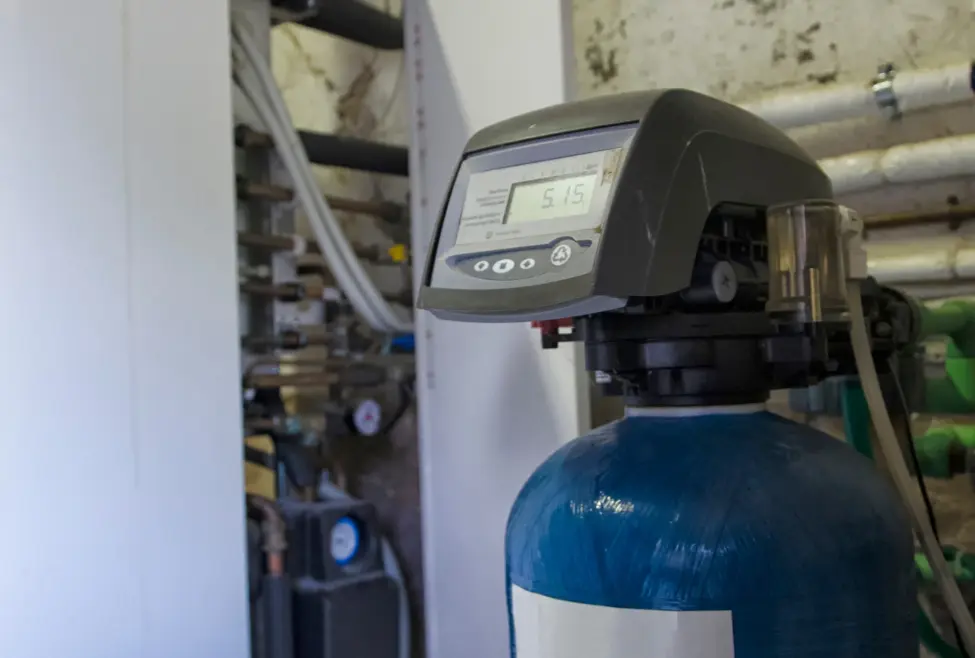
Water softener system installed in a home, reducing hard water issues and improving water quality. Lochard HVAC, Plumbing, and Service offers water softener installation and maintenance in Piqua, Troy, Sidney, and nearby areas. Reach out today for help with how much is a water softener system, water softener cost, price of water softener system, water softener installation cost, cost to install water softener near me, best water softener system price, affordable water softeners, whole house water softener cost, water softener system installation, plumbing for water softener, water treatment system cost, home water softener price, salt-based water softener cost, tankless water softener price, water filtration and softener systems, Lochard HVAC Plumbing and Service water softener installation, water softener maintenance near me, residential water softener systems, commercial water softener installation, hard water solutions near me, best water softener system for hard water, water conditioner vs water softener cost, water softener repair cost, how much does a plumber charge to install a water softener, water softener system for well water, best plumbing company for water softeners in Piqua, Troy, Sidney, Bellefontaine, Celina, Wapakoneta.

How Much Is a Water Softener System?

A Complete Guide to Water Softener Costs and Benefits

Water softeners are becoming an essential part of many households. If you’re experiencing hard water problems, you might be wondering, “How much is a water softener system?” The cost can vary significantly depending on the type, size, and features of the system. In this blog, we’ll break down the costs and the benefits of installing a water softener system, so you can make an informed decision for your home or business.

Understanding the Cost of Water Softener Systems

The price of a water softener system typically ranges between $400 and $2,500, depending on several factors. These factors include the type of system you choose, its capacity, and any additional features that could enhance its performance. For example, a simple, single-tank water softener may cost less, while a larger, more advanced system with multiple tanks and additional filtration capabilities will likely be more expensive.

It’s important to remember that while the initial investment may seem significant, the benefits of installing a water softener system can far outweigh the costs. Not only will you improve the quality of your water, but you’ll also protect your plumbing and appliances from the damage caused by hard water.

Types of Water Softener Systems

  1. Salt-Based Water Softeners: These are the most common type of water softeners, and they rely on salt to remove calcium and magnesium from the water. They tend to have a higher upfront cost but are extremely effective at softening water.

  2. Salt-Free Water Softeners: These systems don’t use salt but instead use a filtration system to reduce scale buildup. Although they are generally more affordable upfront, they may not be as effective in extremely hard water areas.

  3. Dual-Tank Water Softeners: These systems are designed for large households or commercial applications. They feature two tanks to ensure continuous soft water, even during regeneration. Due to their advanced design, they are typically more expensive.

Benefits of Installing a Water Softener

Investing in a water softener system brings numerous benefits that can enhance your daily life:

  • Improved Water Quality: Softened water is gentler on your skin, clothes, and dishes. You’ll notice a reduction in water spots and soap scum buildup in your showers and on glassware.

  • Extended Appliance Lifespan: Hard water can cause mineral buildup in appliances like dishwashers, washing machines, and water heaters. By removing these minerals, a water softener can help your appliances last longer and perform more efficiently.

  • Lower Energy Bills: By preventing scale buildup in pipes and appliances, a water softener can help your home run more efficiently, leading to potential savings on energy costs.

  • Better Plumbing Protection: Hard water causes corrosion and blockages in plumbing pipes, leading to costly repairs over time. Soft water helps prevent this damage.

How to Choose the Right Water Softener for Your Home

Choosing the right water softener system depends on the size of your home, your water usage, and the hardness of your water. To ensure you get the best system for your needs, it’s important to:

  • Determine Your Water Hardness: You can have your water tested to determine its hardness. This will help you choose a system that can effectively handle the level of minerals in your water.

  • Consider System Capacity: Be sure to choose a water softener with the appropriate capacity for your household. Systems are rated based on the number of grains of hardness they can remove before requiring regeneration.

  • Check for Features: Some water softeners come with additional features such as salt-saving technology or digital controls for ease of use.

Cost of Water Softener Installation in Piqua, Troy, Sidney, and Surrounding Areas

If you’re asking, “How much is a water softener system?” keep in mind that installation costs are typically $200 to $500, depending on the complexity of the system and your location. Lochard HVAC, Plumbing, and Service offers professional water softener installation services in Piqua, Troy, Sidney, Bellefontaine, Celina, and Tipp City. Our skilled technicians will ensure that your water softener is installed correctly, saving you time and preventing future issues.

Why Install a Water Softener in Your Home?

If you’re experiencing issues with hard water in West Milton, New Bremen, or Anna, it’s a good idea to consider installing a water softener system. Hard water can cause scale buildup in pipes, appliances, and fixtures, leading to costly repairs and replacements. Installing a water softener helps reduce these issues and improves the overall water quality throughout your home.

Water softeners are also great for improving the taste and texture of your drinking water, making them an ideal investment for families who want to enjoy cleaner, better-tasting water straight from the tap.

Get Expert Water Softener Installation in Piqua, Troy, Sidney, and More

At Lochard HVAC, Plumbing, and Service, we offer a range of water softener systems to fit your needs and budget. Whether you’re in Jackson Center, Degraff, or Quincy, our team is ready to help you find the best solution for your home. We provide professional installation and support to ensure you get the most out of your new water softener system.

FAQs

Are water softeners worth the money?

Water softeners are a worthwhile investment for many homeowners. They remove minerals that cause hard water, protecting your plumbing and appliances from scale buildup. Softened water is gentler on your skin, hair, and clothing, and it can even improve the lifespan of appliances. The long-term savings on repairs and replacements often make the initial cost worthwhile.

What is the downside of a water softener?

While water softeners provide many benefits, there are a few downsides to consider. They require regular maintenance, such as salt refills and occasional cleaning. The water softening process can also increase sodium levels, which may be a concern for people on a low-sodium diet. Additionally, there’s an upfront cost for both the system and installation. However, these factors are often outweighed by the advantages of softened water.

How much does it cost to have a water softener fitted?

The cost to install a water softener typically ranges from $400 to $2,500, depending on the system’s size, type, and features. Installation costs generally fall between $200 and $500. Factors like the complexity of installation and the specific needs of your home will influence the final price.

Do I need a plumber to install a water softener?

It’s recommended to have a professional plumber install your water softener to ensure it’s done correctly. A plumber can handle the technical aspects, including proper sizing and placement of the system, as well as connecting it to your plumbing. This helps avoid issues like leaks or improper operation.

Can you drink softened water?

Softened water is generally safe to drink for most people, but it does contain higher sodium levels due to the ion exchange process. If you’re on a low-sodium diet or have health concerns, you might want to consult with a healthcare provider. Some people opt for a separate drinking water filtration system to avoid sodium in their drinking water.