A licensed plumber doing plumbing work, showing hourly plumbing service costs. Lochard HVAC, Plumbing, and Service offers affordable plumber rates per hour, leak repair, pipe replacement, drain cleaning, and water heater repair near you. Reach out to us today for help with how much should a plumber cost per hour, plumber hourly rates, average plumber cost per hour, local plumber cost, plumbing service cost, emergency plumber hourly rate, plumber near me, affordable plumber near me, licensed plumber near me, drain cleaning cost, water heater repair cost, pipe replacement cost, leak repair plumber, residential plumber cost, commercial plumber hourly rate, professional plumbing services near me, plumbing repair estimates, plumbing installation cost, emergency plumbing services near me, hourly plumber services near me.

How Much Should a Plumber Cost Per Hour?

Understanding Plumbing Rates and What Impacts the Price

If you’re facing a plumbing issue, one of the first questions you may ask is, “How much should a plumber cost per hour?” The cost can vary based on factors such as the type of repair, the urgency of the job, and the plumber’s expertise. On average, homeowners can expect to pay anywhere from $75 to $150 per hour for plumbing services. Emergency services or specialized repairs often cost more due to the skill and immediate attention required.

At Lochard HVAC, Plumbing, and Service, we know that unexpected plumbing problems can disrupt your home and budget. That’s why we provide upfront pricing and trusted service across areas like Piqua, Troy, Sidney, Bellefontaine, Celina, and Wapakoneta. Whether you need help with a burst pipe, water heater installation, or routine plumbing maintenance, understanding hourly costs can help you plan ahead.

Factors That Affect Plumbing Costs

Several factors influence how much a plumber charges per hour:

  • Type of Service Needed – Simple drain cleaning will cost less than a sewer line replacement or major repiping.
  • Time of Day or Emergency Services – Plumbing emergencies outside normal business hours may come with higher rates.
  • Specialized Equipment – Advanced diagnostics, such as leak detection behind walls, can add to the total cost.
  • Experience and Licensing – Hiring a licensed and experienced plumber ensures the work is done safely and effectively, often saving money long-term.

By understanding these elements, homeowners can better gauge why pricing differs between routine and emergency plumbing services.

Why Transparent Pricing Matters

When dealing with plumbing problems like a burst pipe in your home, the last thing you want is to be surprised by hidden fees. Our team values honesty and makes sure you know the cost upfront before we begin any work. We also offer detailed explanations of your repair options, so you can make informed decisions about your home’s plumbing.

Common Services That May Affect Hourly Rates

Hourly rates often depend on the type of project. For example:

  • Drain Cleaning and Clog Removal – Typically on the lower end of hourly costs.
  • Water Heater Repairs or Installations – Can be higher due to specialized skills required.
  • Sewer Line Repairs – More complex jobs, often with additional equipment and labor costs.
  • Leak Detection and Repairs – Rates vary depending on the extent of the leak and location.

If you’re wondering about more specific costs for major repairs, like sewer line replacement and insurance coverage, it’s important to consult with a professional to get an accurate estimate.

Local Plumbing Experts You Can Rely On

From installing tankless water heaters to emergency pipe repair, Lochard HVAC, Plumbing, and Service provides full plumbing solutions to homes in St. Marys, Tipp City, West Milton, Covington, New Bremen, and nearby communities. Our commitment to reliable service, combined with fair hourly pricing, makes us a trusted choice for families across the Miami Valley.

If you’re asking yourself how much should a plumber cost per hour because you need help now, let Lochard HVAC, Plumbing, and Service provide fast, reliable, and affordable plumbing services. Contact our team today to schedule service and get upfront pricing with no surprises.

FAQs

How much does it usually cost to call a plumber?

The cost to call a plumber often includes a service fee or trip charge, which can range from $50 to $150 depending on the company and location. This fee typically covers the plumber’s time to travel to your home and diagnose the issue. Once they assess the problem, the hourly rate or flat rate for the repair will be added.

Why is hiring a plumber so expensive?

Hiring a plumber can seem costly because the work requires specialized training, licensing, and experience to ensure the job is done safely and correctly. Additionally, plumbers often invest in professional-grade tools and equipment for repairs such as leak detection, sewer line replacement, or water heater installation. Emergency services outside of regular hours can also increase the price.

Is it cheaper to replace or repair pipes?

Whether it’s cheaper to replace or repair pipes depends on the condition of your plumbing. Small leaks or minor clogs can often be repaired at a lower cost, but old, corroded, or frequently damaged pipes may require full replacement. While replacing pipes may cost more upfront, it can save homeowners money in the long run by preventing recurring plumbing emergencies.

How much does a plumber cost to fix a shower?

The cost for a plumber to fix a shower depends on the issue. Simple problems like replacing a showerhead or fixing a leaky faucet may cost between $100 and $300. More complex issues, such as repairing leaks behind walls, replacing valves, or addressing water pressure problems, can be significantly higher due to the labor and parts required.

Why is it so hard to get a plumber?

It can be difficult to schedule a plumber quickly because of high demand, especially during peak seasons when freezing pipes, burst pipes, or water heater failures are common. Additionally, licensed plumbers are in short supply in many areas, making their availability limited. Planning ahead with routine maintenance can help prevent last-minute emergencies that require urgent service.

If you’re dealing with plumbing issues and need fair, upfront pricing, contact Lochard HVAC, Plumbing, and Service today. Our team provides reliable plumbing repair and installation services you can trust.

Plumber fixing a shower leak behind a wall with a wrench, Lochard HVAC, Plumbing, and Service leak detection, hidden water leak repair, pipe repair, plumbing services, emergency plumbing, and professional water damage prevention. Reach out today for help with plumber detect leaks behind walls, hidden water leak detection, wall leak repair, leak detection services near me, plumbing leak detection near me, water leak repair near me, emergency plumbing leak repair, slab leak detection, ceiling leak repair, shower leak behind wall repair, pipe leak detection, water line leak repair, plumbing repair services near me, professional leak detection, home water leak services, leaking pipe repair, bathroom leak repair near me, kitchen leak detection, leak repair services, Lochard HVAC Plumbing and Service plumbing repair, HVAC plumbing services near me, pipe repair services near me.

Can a Plumber Detect Leaks Behind Walls?

Understanding Leak Detection in Your Home

Water leaks can be one of the most frustrating and damaging problems for homeowners. When the leak isn’t visible, it often raises the question: can a plumber detect leaks behind walls? The short answer is yes. With the right tools and expertise, professional plumbers can identify hidden leaks before they cause structural damage, mold growth, or costly repairs.

How Plumbers Find Hidden Leaks

Plumbers use advanced technology to detect water leaks behind walls without causing unnecessary damage to your home. Specialized equipment such as thermal imaging cameras, acoustic listening devices, and moisture meters help pinpoint the exact location of a leak. This allows for accurate repair while minimizing disruption.

At Lochard HVAC, Plumbing, and Service, our plumbing team combines years of experience with modern diagnostic tools to provide effective leak detection services. Whether you suspect a burst pipe, a pinhole leak, or water damage behind drywall, we can identify and repair the issue quickly.

Signs You May Have a Leak Behind a Wall

Since these leaks are hidden, spotting them early is important. Common signs include:

  • Unexplained increases in your water bill
  • Damp or discolored spots on walls or ceilings
  • Musty odors or mold growth
  • The sound of running water when no fixtures are on

If you notice any of these warning signs, it’s time to call a professional plumber before the problem worsens.

Why Professional Leak Detection Matters

DIY methods often miss the root cause of the problem. Professional leak detection not only finds the source but also ensures that the repair is handled properly. From pipe repair to repiping solutions, having a licensed plumber on-site protects your home and prevents recurring water damage.

When it comes to protecting your home in Piqua, Troy, Sidney, Bellefontaine, Celina, and Tipp City, Lochard HVAC, Plumbing, and Service provides trusted solutions that save you time, money, and stress. Our plumbers also handle sewer line repair, water heater installation, and emergency plumbing services, so you’re covered no matter the situation.

Additional Resources

If you’re wondering about other plumbing issues, our blogs can help. For example, knowing what to do if you have a burst pipe can prevent major damage in your home. Similarly, if you’re asking will insurance pay for sewer line replacement, we provide expert guidance so you can make informed decisions.

Protect Your Home from Hidden Leaks Today

Don’t let a hidden leak cause costly damage to your home. Contact Lochard HVAC, Plumbing, and Service today for professional plumbing and leak detection services in West Milton, New Bremen, Anna, Jackson Center, Degraff, and Quincy. Our team is ready to protect your home with reliable repair solutions.

FAQs

How much do plumbers cost hourly?

The cost of hiring a plumber can vary depending on the type of plumbing repair or installation needed. On average, plumbers charge an hourly rate that typically ranges between $75 and $150. The price may increase for emergency plumbing services, leak detection behind walls, sewer line repair, or water heater installation. Flat-rate pricing is also common for specific plumbing jobs, making it easier to budget repairs.

What all do plumbers fix?

Plumbers handle a wide range of services beyond just clogged drains and leaky faucets. They repair burst pipes, replace sewer lines, install tankless water heaters, detect leaks behind walls, maintain sump pumps, and service kitchen and bathroom plumbing fixtures. Many plumbers also work with HVAC systems, ensuring homes stay comfortable year-round.

What do plumbers not do?

While plumbers specialize in water lines, drain systems, and gas piping, they don’t typically handle electrical wiring, major structural repairs, or roofing. However, if water damage occurs due to a leak behind walls or a broken pipe, plumbers often work alongside restoration or construction companies to ensure the plumbing side of the issue is properly resolved.

What do plumbers use most?

Plumbers rely on tools like pipe wrenches, augers, video inspection cameras, leak detection devices, and hydro jetting machines. For hidden plumbing leaks, specialized equipment such as thermal imaging and acoustic leak detectors helps pinpoint the exact location of water damage without unnecessary wall or floor demolition.

Does a plumber fix a leak?

Yes, plumbers are trained to fix all types of leaks, from dripping faucets to hidden pipe leaks behind walls and underground slab leaks. A professional plumber not only repairs the visible problem but also checks for hidden water damage, mold growth, and weakened piping to prevent future plumbing emergencies.

Tankless water heater installation showing energy-efficient hot water system, highlighting what's the average cost to install a tankless hot water heater with Lochard HVAC, Plumbing, and Service, professional plumbing services, water heater replacement, repair, and installation near me in Piqua, Troy, Sidney, and surrounding areas. Reach out now for help with what’s the average cost to install a tankless hot water heater, tankless water heater installation cost, cost of tankless water heater replacement, tankless hot water heater installation services, tankless water heater plumbers near me, water heater installation near me, tankless water heater repair near me, best tankless water heater installation, water heater replacement near me, tankless water heater installation Troy, tankless water heater installation Piqua, tankless water heater installation Sidney, tankless water heater installation Bellefontaine, tankless water heater installation Celina, tankless water heater installation Wapakoneta, water heater services near me, tankless water heater cost estimate, tankless water heater installation and repair, affordable tankless water heater installation, local tankless water heater plumbers, tankless hot water heater installation service near me.

What’s the Average Cost to Install a Tankless Hot Water Heater?

Understanding the Cost of Tankless Water Heater Installation

When homeowners search “What’s the average cost to install a tankless hot water heater”, they’re usually weighing the investment against the long-term savings and comfort. Tankless water heaters, also called on-demand water heaters, provide hot water only when needed. This eliminates the standby energy loss common with traditional storage tanks and often lowers utility bills. On average, the cost to install a tankless water heater can range between $2,500 and $5,000, depending on the unit, installation complexity, and whether additional plumbing or gas line work is needed.

Factors That Affect Tankless Water Heater Installation Costs

Several factors influence the final price of installation:

  • Type of unit: Gas-powered tankless heaters typically cost more to install than electric models, but they provide higher water output.
  • Home size and hot water demand: A larger home may require multiple units or a higher-capacity system.
  • Plumbing or gas line upgrades: If your current system requires new connections or venting, that will increase the installation cost.
  • Permits and labor: Professional installation ensures safety and efficiency, but labor is a key part of the overall cost.

For homes in Piqua, Troy, Sidney, Bellefontaine, Celina, and Tipp City, Lochard HVAC, Plumbing, and Service offers expert tankless water heater installation backed by years of plumbing and HVAC experience.

Why Choose a Tankless Hot Water Heater?

Although the upfront installation cost may seem high, tankless systems last up to 20 years, compared to 10–12 years for traditional tanks. They also provide endless hot water—ideal for busy households—and require less space. With proper maintenance, these systems can help lower monthly energy costs, making them a smart long-term investment.

If you’re unsure whether a tankless system is right for your home, our licensed plumbers can evaluate your hot water needs and recommend the best solution.

Professional Installation You Can Trust

At Lochard HVAC, Plumbing, and Service, we specialize in water heater repair, replacement, and new installation. Whether you need a tankless water heater, a traditional tank system, or emergency plumbing services, our team is ready to help. Our plumbing services cover everything from burst pipes to sewer line replacement, while our HVAC solutions ensure year-round comfort.

Is a Tankless Water Heater Worth the Cost?

When homeowners ask “What’s the average cost to install a tankless hot water heater”, the answer depends on the size of your home, your family’s hot water needs, and whether upgrades are needed to your existing plumbing. However, most find that the energy savings, convenience, and longevity make the investment worthwhile.

If you live in West Milton, New Bremen, Anna, Jackson Center, Degraff, Quincy, or nearby areas, our team is here to guide you through the process from start to finish.

Ready to upgrade to endless hot water? Contact Lochard HVAC, Plumbing, and Service today to schedule your tankless water heater installation and experience reliable comfort for years to come.

FAQs

Can I install a tankless water heater by myself?

Installing a tankless water heater is not recommended as a DIY project. These systems require proper plumbing, gas line or electrical connections, and correct venting to operate safely and efficiently. A professional tankless water heater installation ensures your system is set up to code and prevents costly mistakes or safety hazards.

What is the downside to tankless water heaters?

While tankless water heaters provide energy efficiency and unlimited hot water, they do come with a higher upfront cost compared to traditional water heaters. Some homes may also require upgrades to gas lines or electrical panels, which can add to installation expenses. However, many homeowners find the long-term savings and convenience worth the investment.

Can I replace my 40 gallon water heater with a tankless water heater?

Yes, you can replace a traditional 40-gallon water heater with a tankless water heater. In fact, switching often improves efficiency and provides continuous hot water instead of relying on stored supply. However, it’s important to size the unit correctly to meet your household’s hot water needs and to have a professional plumber handle the installation.

How long do tankless water heaters last?

Tankless water heaters typically last between 15 to 20 years with proper maintenance, which is nearly double the lifespan of a traditional tank water heater. Regular flushing, descaling, and professional service help extend the life of the unit and keep it running efficiently.

Where should a tankless water heater not be installed?

Tankless water heaters should not be installed in overly confined or unventilated areas unless designed for such placement. They need proper ventilation to prevent carbon monoxide buildup and adequate space for service access. Outdoor installations are possible but require models specifically built for outdoor use to handle weather exposure.

Ready to upgrade to a tankless water heater? Contact Lochard HVAC, Plumbing, and Service today for expert installation, repairs, and maintenance. We proudly serve Piqua, Troy, Sidney, Bellefontaine, Casstown, Kettlersville, and surrounding areas.

Air conditioner running but not cooling being inspected by Lochard HVAC, Plumbing, and Service for AC repair, refrigerant recharge, and thermostat troubleshooting. Reach out to us today for help with air conditioner running but not cooling, AC running but not cooling, central AC not cooling, air conditioner blowing warm air, AC not blowing cold air, air conditioning repair, emergency AC repair, AC service, HVAC troubleshooting, AC refrigerant recharge, thermostat issues with AC, AC not cooling properly, air conditioning maintenance, AC repair near me, HVAC service near me, air conditioner repair near me, central air not cold, fix AC not cooling, AC inspection and repair, air conditioner running but warm, AC system check, air conditioner not cold enough, residential AC repair, commercial AC service.

Why Is My Air Conditioner Running but Not Cooling?

Why Your Air Conditioner Runs but Fails to Cool

When summer temperatures rise, the last thing you want is your air conditioner running but not cooling your home. This is one of the most common HVAC issues homeowners face, and it can be caused by several problems ranging from dirty filters to refrigerant leaks. At Lochard HVAC, Plumbing, and Service, we help homeowners in Troy, Piqua, Sidney, Bellefontaine, Celina, and Tipp City keep their AC systems running efficiently so their homes stay comfortable all season long.

Common Reasons Your AC Is Running but Not Cooling

If your air conditioner blows warm air or doesn’t seem to cool your house despite running constantly, there are several potential causes:

  • Clogged air filters – Dirty filters block airflow, making it harder for your AC to circulate cool air.
  • Low refrigerant levelsRefrigerant is essential for cooling; if it’s low, you may need a recharge or repair for a possible leak.
  • Dirty condenser coils – When coils are covered in dirt or debris, your system can’t release heat effectively.
  • Thermostat issues – A malfunctioning thermostat can cause your system to run without actually cooling properly.
  • Frozen evaporator coil – Restricted airflow or low refrigerant can lead to ice buildup, reducing cooling capacity.

Understanding the cause is key to finding the right solution. That’s why scheduling professional AC repair is the best way to restore comfort quickly.

When to Call for Professional AC Repair

Sometimes troubleshooting can solve the problem—like changing your air filter or checking thermostat settings. However, if your AC is running constantly but not cooling the house, it’s time to call an expert. The team at Lochard HVAC, Plumbing, and Service offers air conditioning repair, AC installation, and HVAC maintenance designed to improve efficiency and extend the life of your system.

For example, if your system is more than 10–15 years old, our AC replacement services may be the most cost-effective solution. If you’re dealing with a refrigerant leak or frozen coil, our air conditioning repair technicians can diagnose and fix the problem right away.

Preventing Future Cooling Problems

The best way to avoid an air conditioner running but not cooling is with regular HVAC maintenance. During a routine tune-up, our technicians will:

  • Clean coils and filters
  • Check refrigerant levels
  • Inspect electrical components
  • Ensure your thermostat is working correctly
  • Test system efficiency

By scheduling routine service with Lochard HVAC maintenance, you can keep your cooling system performing at its best year-round.

Trusted HVAC Service in Your Area

At Lochard HVAC, Plumbing, and Service, we proudly serve homeowners in West Milton, New Bremen, Anna, Jackson Center, Degraff, and Quincy. Whether you need AC repair, HVAC installation, or routine service, our skilled technicians provide fast, reliable solutions to keep your home comfortable.

Call Lochard HVAC, Plumbing, and Service Today

Don’t let an air conditioner running but not cooling ruin your summer comfort. If your AC system isn’t keeping up with the heat, let our team restore your cooling fast. Call Lochard HVAC, Plumbing, and Service today or schedule your service online for expert HVAC repair, maintenance, and installation you can trust.

FAQs

How do I reset my central AC if it’s not blowing cold air?

To reset a central AC not blowing cold air, start by turning off the system at the thermostat and then at the breaker. Wait a few minutes before turning it back on. This can help the AC’s internal systems reset and may restore proper cooling. Ensure the thermostat is correctly set to “cool” mode with a lower temperature than the current room temperature.

How can I tell if my AC is low on refrigerant?

Signs of low refrigerant include the air conditioner running but not cooling, ice forming on the coils, or a hissing sound from the system. If your AC is struggling to maintain temperature even with the fan running, it may need a professional refrigerant check to restore proper cooling.

Should I turn off my AC if it’s not cooling?

If your AC is running but not cooling, it’s generally a good idea to turn it off to prevent further damage. Continuing to run the system can strain components like the compressor or fan motor, leading to costly repairs.

How do I fix my AC not blowing cold air?

Fixing an AC that isn’t blowing cold air involves checking airflow, cleaning or replacing filters, inspecting for refrigerant leaks, and ensuring the thermostat is functioning properly. For persistent issues, a licensed HVAC technician can diagnose and repair problems safely and efficiently.

How do I reset a thermostat for my AC?

Resetting a thermostat typically involves turning it off, removing batteries if applicable, waiting a few minutes, and then turning it back on. Many smart thermostats also have a reset option in their settings. This can resolve minor system glitches and restore normal cooling function.

Sewer line replacement by Lochard HVAC, Plumbing, and Service, showing professional plumbing services, sewer line repair, replacement, and inspection, addressing questions like “Will insurance pay for sewer line replacement” for homeowners in Piqua, Troy, Sidney, Bellefontaine, Celina, and Wapakoneta. Contact us now for help with will insurance pay for sewer line replacement, sewer line insurance coverage, does homeowners insurance cover sewer line repair, sewer line replacement cost covered by insurance, emergency sewer line repair, sewer pipe replacement, sewer line inspection and repair, sewer line replacement near me, plumbing sewer services near me, sewer pipe repair near me, affordable sewer line replacement, residential sewer line services, professional sewer line replacement, Lochard HVAC, Plumbing, and Service sewer solutions, clogged sewer line repair, broken sewer line replacement, trenchless sewer repair, sewer maintenance services, drain and sewer line replacement, full sewer line replacement near me.

Will Insurance Pay for Sewer Line Replacement?

Understanding Sewer Line Insurance Coverage

Sewer line damage can be a nightmare for homeowners. Many people ask, Will insurance pay for sewer line replacement? The answer isn’t always straightforward. Standard homeowners insurance typically covers sudden and accidental damage, like a pipe bursting, but often excludes gradual wear and tear, tree root damage, or blockages. Understanding your policy’s limits can save you from unexpected costs.

Common Scenarios Where Insurance May Help

Insurance might cover sewer line replacement in these cases:

  • Sudden pipe bursts due to freezing or accidents
  • Damage from accidental construction or external impact
  • Certain natural disasters if specified in your policy

However, most policies do not cover:

  • Aging pipes or normal wear and tear
  • Clogs caused by tree roots or debris
  • Routine maintenance or preventive replacement

Costs of Sewer Line Replacement

Sewer line replacement can be expensive, often ranging from $3,000 to $10,000 depending on the material, length of the pipe, and accessibility. Understanding your coverage and whether your insurance will contribute can help you plan financially.

Choosing Professional Sewer Line Services

When you need a sewer line replacement, hiring a professional ensures the job is done correctly and reduces the risk of further damage. At Lochard HVAC, Plumbing, and Service, we provide expert sewer line inspection, replacement, and repair services to homeowners in Piqua, Troy, Sidney, Bellefontaine, Celina, and Tipp City. Our team uses modern techniques like trenchless sewer line replacement to minimize disruption to your property.

Tips for Homeowners

  • Review your homeowners insurance policy carefully to understand sewer line coverage.
  • Consider sewer line insurance or a separate rider if your area is prone to line damage.
  • Schedule regular plumbing inspections to catch small issues before they become major problems.

Expert Sewer Line Services You Can Trust

Protect your home and avoid costly surprises. Contact Lochard HVAC, Plumbing, and Service today for expert sewer line inspections, repairs, and replacements in West Milton, New Bremen, Anna, Jackson Center, Degraff, and Quincy.

FAQs

How much should a new sewer line cost?

The cost of a new sewer line can vary depending on pipe material, length, and accessibility. On average, homeowners spend between $3,000 and $10,000 for a full sewer line replacement. Trenchless sewer line replacement can sometimes reduce costs and minimize property disruption. Knowing your options and getting professional quotes can help you budget effectively for sewer line repair or replacement.

Can a homeowner replace a sewer line?

While technically possible, replacing a sewer line yourself is not recommended. Sewer line installation requires specialized tools, permits, and knowledge of local plumbing codes. DIY sewer line replacement can lead to leaks, blockages, or failed inspections, ultimately costing more in repairs. Hiring licensed professionals ensures the job is done safely and correctly.

Why is replacing a sewer line so expensive?

Sewer line replacement can be costly due to excavation requirements, labor, permits, and the need for durable pipe materials like PVC or cast iron. Traditional dig-and-replace methods often involve digging through landscaping or concrete, which adds to the price. Trenchless technology is a modern alternative that can reduce labor and restore functionality faster, but the quality materials and skilled labor still contribute to higher costs.

Who pays to replace a sewer line?

Typically, homeowners are responsible for sewer line replacement unless your insurance policy covers sudden, accidental damage. Some policies exclude wear-and-tear issues or tree root intrusion. Sewer line insurance or a separate policy rider may provide additional coverage for these situations. Understanding your homeowners insurance and available coverage options can prevent unexpected expenses.

What is the life expectancy of a sewer line?

Sewer line lifespan depends on pipe material and installation quality. Traditional clay pipes can last 50–70 years, cast iron pipes up to 75 years, and modern PVC pipes can last 100 years or more. Regular maintenance and inspections can extend the life of your sewer line and help identify potential issues before they become emergencies.

HVAC technician next to a thermostat showing ideal AC settings for summer comfort, energy savings, and cooling efficiency. Learn what temperature to set air conditioner in summer with expert HVAC tips from Lochard HVAC, Plumbing, and Service, specializing in AC installation, AC repair, and air conditioning maintenance. Contact us today for help with what temperature to set air conditioner in summer, best AC temperature for summer, recommended thermostat settings for summer, energy efficient AC settings, ideal home temperature in hot weather, AC cooling tips for summer comfort, thermostat settings to save energy, air conditioner running constantly in summer, AC not cooling properly, air conditioning efficiency tips, best thermostat temperature for sleeping in summer, how to lower energy bills with AC, AC installation near me, air conditioning repair near me, HVAC maintenance services near me, thermostat installation near me, cooling system tune up near me, central air installation near me, AC replacement services, air conditioner troubleshooting in hot weather, professional HVAC services near me, Lochard HVAC AC repair services, plumbing and HVAC experts near me.

The Best Temperature to Set Your Air Conditioner in Summer

Finding the Ideal Summer Thermostat Setting

When the heat of summer sets in, many homeowners wonder what temperature to set air conditioner in summer for both comfort and efficiency. Finding the right balance can help you stay cool while saving money on energy bills. According to the U.S. Department of Energy, the recommended thermostat setting for summer is around 78°F when you’re home and need cooling. If you’re away, raising the temperature by a few degrees—usually between 82°F and 85°F—can significantly reduce energy costs.

Why the Right Temperature Matters

Your AC system works harder the lower you set your thermostat. Keeping your unit at 70°F instead of 78°F may feel cooler, but it can increase your energy usage by nearly 20%. That means higher utility bills and unnecessary strain on your air conditioning system. With regular AC maintenance and the right thermostat settings, you can extend the life of your unit and improve indoor comfort.

Smart Thermostats Make a Difference

Investing in a programmable or smart thermostat makes it easier to maintain consistent temperatures. These devices automatically adjust settings when you’re away or asleep, ensuring your home stays comfortable without wasting energy. Lochard HVAC, Plumbing, and Service can help you choose and install the best thermostat for your home.

Other Factors That Affect Cooling

The best temperature isn’t one-size-fits-all. Factors like home insulation, ceiling fans, humidity levels, and the age of your AC unit can all impact cooling efficiency. If your air conditioner struggles to keep up even at 78°F, it may be time to consider an air conditioning replacement. Our team specializes in AC installation and repair, ensuring your home stays cool in the hottest months.

Serving Your Community with Expert HVAC Services

Lochard HVAC, Plumbing, and Service proudly helps homeowners with reliable cooling solutions across the region, including Troy, Piqua, Sidney, Bellefontaine, Celina, and Tipp City, OH.

Whether you need a quick AC repair or a full HVAC system upgrade, our experienced technicians deliver the right solution for your comfort.

Don’t let the summer heat take over your home. Contact Lochard HVAC, Plumbing, and Service today to schedule your air conditioning service and keep your home cool and efficient all season long.

FAQs

What is the best AC setting for a hot day?

The best AC setting for a hot day is typically around 78°F when you’re at home and need comfort. This balance keeps your home cool while preventing your energy bills from skyrocketing. If you’re away, raising the temperature by a few degrees can help your AC run more efficiently without overworking.

Is 72 a good temperature for AC in the summer?

Yes, 72°F is a comfortable temperature for many households, but it can be harder on your AC system during extreme heat. Keeping your thermostat closer to 76–78°F in the summer often provides a better balance between comfort and energy efficiency.

How cool should my house be if it’s 100 outside?

If it’s 100°F outside, most air conditioners can realistically cool your home to about 75–80°F. AC systems are generally designed to lower indoor temperatures by about 20 degrees from outdoor conditions. If your AC struggles beyond that range, it may be a sign your system needs maintenance or is undersized.

When running the AC, should the fan be on auto or on?

It’s usually best to keep the fan on auto. This way, the fan only runs when the AC is cooling, which saves energy and reduces wear on your system. Setting the fan to on can help circulate air more evenly, but it may increase energy costs and humidity levels.

How long should it take to cool a house from 80 to 72?

On average, it should take about 2–3 hours for a properly sized and well-maintained AC unit to cool a home from 80°F to 72°F. However, this can vary depending on insulation, system efficiency, and outside temperature. If cooling takes much longer, it may point to issues like low refrigerant, dirty coils, or airflow restrictions.

For expert AC maintenance, repair, and installation, Lochard HVAC, Plumbing, and Service is here to help keep your home comfortable all summer long.

Burst pipe causing water damage, emergency plumbing repair by Lochard HVAC, Plumbing, and Service, pipe leak repair, plumbing services near me, water line replacement, what to do if I have a burst pipe. Call us now for help with what do I do if I have a burst pipe, burst pipe repair, emergency plumbing services, plumbing repair near me, pipe leak repair, broken water line repair, water damage repair, plumbing service call, residential plumbing repair, emergency pipe replacement, leak detection services, plumbing contractor near me, how to fix a burst pipe, pipe burst cleanup, water line replacement, Lochard HVAC, Plumbing, and Service plumbing services, local plumber near me, urgent plumbing repair, plumbing maintenance, plumbing leak repair, burst pipe emergency service.

What Do I Do If I Have a Burst Pipe?

Emergency Plumbing Tips for Homeowners

Burst pipes can cause serious water damage, mold growth, and costly repairs if not handled quickly. Knowing what do I do if I have a burst pipe can save your home and give you peace of mind. At Lochard HVAC, Plumbing, and Service, we help homeowners across Piqua, Troy, Sidney, Bellefontaine, Celina, and Tipp City with fast, professional plumbing solutions.

How to Handle a Burst Pipe Immediately

First, shut off your main water supply to stop flooding. Then, turn off electricity in areas affected by water to avoid hazards. Next, try to contain the water with towels or buckets and move valuables to a safe location. While these steps help minimize damage, professional plumbing repair is crucial to prevent long-term issues. Our team can quickly assess the damage and repair or replace the pipe as needed.

Common Causes of Burst Pipes

Understanding the causes of burst pipes can help you prevent future emergencies:

  • Freezing temperatures causing pipes to crack
  • Corrosion or aging plumbing systems
  • Excessive water pressure
  • Tree root intrusion or ground movement

Regular plumbing maintenance, inspections, and pipe replacements can reduce the likelihood of a sudden burst. Learn more about our pipe repair and replacement services for comprehensive protection.

Signs You Have a Burst Pipe

Even before water gushes from a pipe, you may notice early warning signs:

  • Unexplained water stains on walls, ceilings, or floors
  • Decreased water pressure
  • Strange noises in your plumbing system
  • Musty odors indicating hidden leaks

Recognizing these signs early and calling a licensed plumber from Lochard HVAC, Plumbing, and Service can save you time and money.

Professional Plumbing Services for Burst Pipes

Our certified plumbers offer complete solutions for burst pipes, including:

  • Emergency pipe repair and replacement
  • Water damage mitigation
  • Frozen pipe thawing
  • Leak detection and prevention
  • Whole-home plumbing inspections

We provide fast, reliable service in West Milton, New Bremen, Anna, Jackson Center, Degraff, and Quincy, ensuring your plumbing system is restored safely and efficiently.

Don’t wait until a small leak becomes a major disaster. Contact Lochard HVAC, Plumbing, and Service for professional burst pipe repair today at 937-492-8811 or schedule online today.

FAQs

Is a burst pipe an emergency?

Yes, a burst pipe is considered an emergency. It can cause significant water damage, mold growth, and structural issues if not addressed immediately. Acting quickly by shutting off your water supply and contacting a licensed plumber is crucial to minimize damage.

Will insurance cover a pipe burst?

Homeowners insurance may cover water damage from a sudden burst pipe, but it often depends on the cause. Sudden and accidental bursts are generally covered, while damage from long-term leaks or neglected maintenance may not be. Always review your policy and document any damage for claims.

When should I worry about burst pipes?

You should be concerned about burst pipes if you notice unusual water stains, reduced water pressure, strange noises in your plumbing, or visible leaks. Additionally, freezing temperatures or aging pipes increase the risk of bursts, so monitoring these factors is important.

How do I turn off water if pipes burst?

Locate your main water shutoff valve, usually near the water meter, and turn it clockwise to stop the flow. Shutting off water quickly helps prevent flooding and further damage. Afterward, call a professional plumber to repair the pipe safely.

How can I tell if I had a pipe burst?

Signs of a past pipe burst include water stains, warped flooring or walls, damp or musty odors, unusually high water bills, or persistent mold growth. Even if the visible leak is gone, professional inspection may be needed to ensure no hidden damage remains.

If you suspect a burst pipe or need emergency plumbing repair, contact Lochard HVAC, Plumbing, and Service for fast, reliable service in your area.

Air conditioner outside a home, representing how long an AC unit lasts and maintenance tips from Lochard HVAC, Plumbing, and Service, including AC replacement, repair, and installation. Trust us to help you with how long does an AC unit last, AC lifespan, average life of an air conditioner, signs you need a new AC, AC replacement cost, when to replace your air conditioner, air conditioner maintenance, AC repair services, AC installation services, residential AC services, commercial AC services, high-efficiency air conditioners, central air replacement, ductless mini-split systems, heat pump replacement, HVAC service near me, AC repair near me, AC replacement near me, air conditioner maintenance near me, emergency AC repair near me.

How Long Does an AC Unit Last?

Understanding the Lifespan of Your Air Conditioner

If you’ve been wondering how long does an AC unit last, you’re not alone. Many homeowners face this question when their system starts showing signs of wear. On average, most central air conditioners last between 12 to 17 years, depending on factors like usage, maintenance, and the quality of the installation. However, your unit’s lifespan can vary significantly, and knowing when it’s time for AC repair, replacement, or maintenance can save you money and stress.

At Lochard HVAC, Plumbing, and Service, we help homeowners throughout Troy, Piqua, Sidney, Bellefontaine, Celina, and Tipp City keep their cooling systems running efficiently. Let’s explore what impacts the lifespan of your AC and how to maximize its performance.

Factors That Affect How Long an AC Lasts

Several factors determine how long an air conditioner will keep your home comfortable:

  • Maintenance: Regular air conditioning maintenance plays the biggest role in extending your AC’s lifespan. A neglected system can fail years earlier than one that receives seasonal tune-ups.
  • Installation quality: Poor installation can lead to issues like refrigerant leaks, uneven cooling, and higher energy bills. Choosing a trusted HVAC company ensures your system starts off right.
  • Usage: AC units that run constantly in hot, humid climates tend to wear out faster.
  • Unit type and brand: High-efficiency systems and reputable brands often last longer with proper care.

Signs It’s Time to Replace Your AC

Even with excellent care, no AC lasts forever. You might need AC replacement if you notice:

  • Frequent breakdowns and costly repairs
  • Rising energy bills despite regular maintenance
  • Uneven cooling or poor airflow
  • Your AC is over 15 years old and struggles to keep up with demand

How to Extend the Life of Your AC Unit

The good news is you can take steps to make your AC last longer:

  • Schedule seasonal maintenance with an experienced HVAC technician
  • Change air filters every 1–3 months
  • Keep the outdoor condenser unit clear of debris
  • Consider upgrading your thermostat to improve efficiency

If your system is nearing the end of its lifespan, investing in a new high-efficiency AC can provide better comfort and reduce long-term costs.

Reliable HVAC Services for Ohio Homeowners

Whether you’re looking for routine maintenance, urgent air conditioning repair, or full HVAC installation, Lochard HVAC, Plumbing, and Service is here to help. Our team proudly serves West Milton, New Bremen, Anna, Jackson Center, Degraff, and Quincy with dependable heating, cooling, and plumbing services you can trust.

Don’t wait until your AC gives out in the middle of summer. Contact Lochard HVAC, Plumbing, and Service today for expert AC maintenance, repair, and installation. Schedule your appointment now and keep your home comfortable year-round.

FAQs

What is the $5000 AC rule?

The “$5000 AC rule” is a guideline many homeowners use to decide when it’s more cost-effective to replace an aging air conditioner instead of continuing repairs. If your AC repair costs approach or exceed $5,000, it may be time to consider a full AC replacement to ensure reliable cooling and energy efficiency.

How long do outdoor AC units last?

Outdoor AC units, or condensers, typically last 10–15 years with proper maintenance. Factors like regular AC maintenance, climate, and usage affect longevity. Older units may lose efficiency, leading to higher energy bills and more frequent repairs.

When should I replace an AC unit?

You should consider replacing an AC unit if it’s over 12–15 years old, frequently breaks down, or struggles to cool your home efficiently. Modern high-efficiency AC systems offer better energy savings, improved comfort, and can be a smart long-term investment.

Can an AC unit last 30 years?

While technically possible, it’s extremely rare for an AC unit to last 30 years. Most units wear out in 12–20 years, depending on maintenance and usage. Proper upkeep, such as tune-ups and coil cleaning, can extend lifespan, but eventual replacement is inevitable.

How much does it cost to replace an AC unit?

Replacing an AC unit can vary widely depending on the size, type, and efficiency rating. On average, homeowners spend between $4,000–$7,000 for a new central air conditioning system. Costs include installation, new components, and optional upgrades. Energy-efficient models may have a higher upfront cost but save money over time.

Whole house water softener system installed in a residential home to reduce hard water, improve water quality, and prevent scale buildup—professional plumbing services by Lochard HVAC, Plumbing, and Service. Contact us now for help with best home water softener systems, top-rated water softeners for home use, whole house water softener systems, water softener installation near me, residential water softening systems, hard water treatment solutions, high-efficiency water softeners, water conditioning systems near me, salt-free water softener systems, best water softener for well water, home water filtration and softener combo, water softener repair near me, plumbing services for water softeners, Lochard HVAC plumbing services, affordable water softener installation, local water softener experts, best soft water systems for homes, professional water softener setup, HVAC and plumbing services near me, water softener service and maintenance, energy-efficient water softening systems.

Find the Best Home Water Softener Systems

Say Goodbye to Hard Water with the Right Water Softener

If you’re tired of dealing with hard water stains, dry skin, or buildup in your pipes and appliances, you’re not alone. Many homeowners in Ohio are searching for the best home water softener systems to protect their plumbing and improve water quality. Understanding how a water softener works—and what to look for in a system—can save you money and hassle in the long run.

Why You Might Need a Water Softener

Hard water contains high levels of minerals like calcium and magnesium. While not harmful to your health, these minerals can wreak havoc on your plumbing system. Over time, hard water can:

  • Damage your water heater and reduce its efficiency
  • Leave behind mineral deposits in your pipes
  • Cause dry, itchy skin and dull hair
  • Make laundry feel stiff and fade faster
  • Create stubborn soap scum on dishes and shower walls

If you’re noticing any of these issues, installing a residential water softener can make a huge difference.

What Makes the Best Water Softener System?

When shopping for the best home water softener systems, keep the following features in mind:

  • Grain capacity: Choose a system with the right grain capacity for your household size and water usage.
  • Regeneration method: Look for metered systems that regenerate only when needed to save salt and water.
  • Salt vs. salt-free: Salt-based softeners are the most effective for truly softening water, but salt-free conditioners may be sufficient for mild hardness and require less maintenance.
  • NSF certification: This ensures the system meets strict performance and safety standards.

Some trusted options on the market include the Fleck 5600SXT, GE GXSH40V, and Whirlpool WHES40E, depending on your budget and water hardness levels.

Professional Installation Matters

Even the best softener can underperform if it’s not installed correctly. At Lochard HVAC, Plumbing, and Service, we handle water softener installation with precision—making sure your new system is perfectly matched to your home’s water supply.

Poor installation can lead to pressure loss, leaks, or ineffective softening. That’s why homeowners in Troy, Piqua, Sidney, Bellefontaine, Celina, and Tipp City trust our team for dependable plumbing solutions.

Whether you’re adding a water softener as part of a full plumbing system upgrade or simply replacing an outdated unit, we’re here to help.

Other Signs You Need a Water Softener

Still unsure if you need a softener? These signs may point to hard water in your home:

  • Clogged showerheads
  • White crust around faucets
  • Frequent appliance breakdowns
  • Increased utility bills due to scale buildup

If any of these sound familiar, it’s time to consider investing in one of the best home water softener systems available.

Let’s Improve Your Water Quality

Ready to get rid of hard water problems for good? Lochard HVAC, Plumbing, and Service offers trusted plumbing services across western Ohio and can help you choose and install the right water softener system. From water heater repairs to HVAC maintenance, we provide complete comfort solutions tailored to your home.

Call us today or schedule your service online to get started.

FAQs

What’s the average cost of a whole house water softener system?

The average cost of a whole house water softener system typically ranges from $1,000 to $3,000, including installation. The total depends on factors like the size of your home, water hardness levels, and the type of water softener you choose. High-efficiency systems or models with smart features may increase the cost but offer better long-term savings and performance.

Which type of water softener system is best?

The best water softener system for your home depends on your water quality and usage. Salt-based ion exchange systems are the most effective for removing hard minerals like calcium and magnesium. However, salt-free systems are gaining popularity for being low-maintenance and more eco-friendly. Look for high-efficiency, whole-house water softeners that are certified by NSF or WQA for reliable performance.

What states have banned water softeners?

Some areas in states like California and Texas have restricted or banned certain salt-based water softeners due to concerns about excessive sodium discharge in wastewater. If you live in a regulated area, you may need to consider salt-free alternatives or high-efficiency softeners that meet local plumbing codes.

What is the most reliable water softener brand?

Top-rated water softener brands include Fleck, Culligan, SpringWell, GE, and Whirlpool. These brands are known for durability, efficiency, and easy maintenance. Fleck systems are especially popular among homeowners for their digital metered controls and reliable performance over time.

Are there any alternatives to water softeners?

Yes, alternatives include water conditioners, descalers, and reverse osmosis systems. These systems don’t remove minerals but can reduce scaling and improve water quality. They’re often preferred in areas where salt-based softeners are restricted or when homeowners want a low-maintenance option.

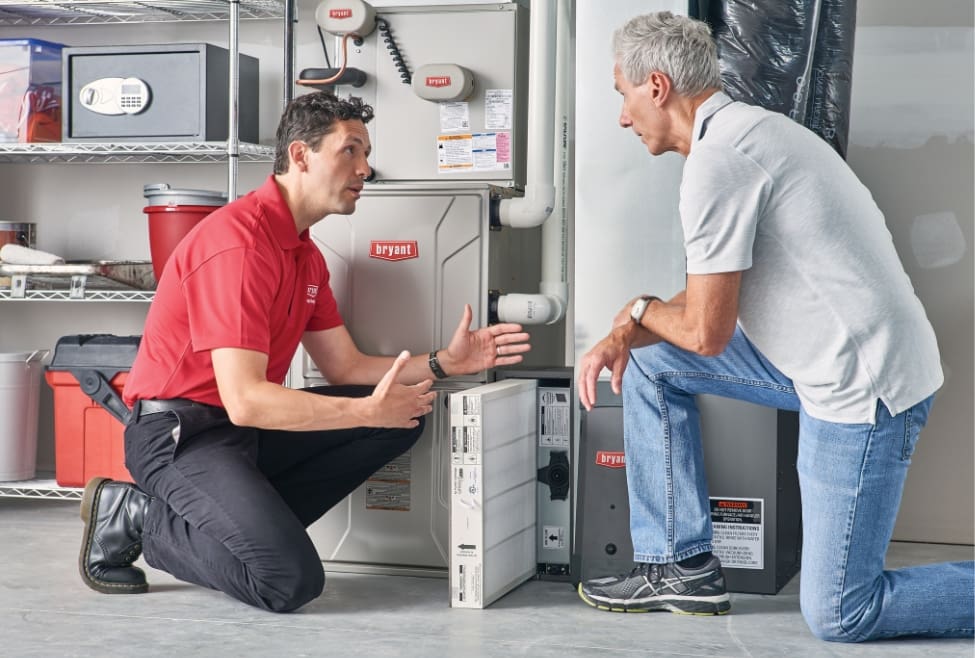
HVAC technician discussing mold removal and air duct cleaning with a happy homeowner, representing Lochard HVAC, Plumbing, and Service’s expert solutions for mold in HVAC systems, improving indoor air quality and preventing musty odors. Reach out today for help with what to do if your HVAC has mold, HVAC mold removal, mold in HVAC system, HVAC mold cleaning near me, signs of mold in air ducts, black mold in HVAC system, how to clean mold from HVAC, air duct mold removal services, AC smells musty, mold in air conditioner, HVAC maintenance near me, air duct cleaning services, HVAC inspection for mold, mold remediation HVAC, HVAC mold health risks, furnace mold symptoms, indoor air quality testing, air conditioning mold problems, central air system mold, mold in HVAC vents, HVAC cleaning and sanitizing, professional HVAC cleaning, mold prevention in HVAC systems, Lochard HVAC services, air duct cleaning near me, HVAC mold service near me.

What to Do if Your HVAC Has Mold

Recognizing Mold Problems in Your HVAC System

If you’ve noticed a musty smell every time your HVAC system kicks on or you’re experiencing unexplained allergy symptoms at home, mold in your HVAC system might be the culprit. HVAC mold isn’t just an inconvenience — it can affect your indoor air quality, energy efficiency, and your family’s health. But don’t worry — we’ll walk you through what to do if your HVAC has mold, how to identify it, and when to call in the professionals.

Signs of Mold in Your HVAC System

Mold isn’t always visible, especially in a central HVAC system where moisture can accumulate out of sight. However, these are the most common signs to watch for:

  • A persistent musty or mildew odor when the air kicks on
  • Increased allergy symptoms like sneezing, coughing, or headaches indoors
  • Visible mold on vents, around ducts, or near the air handler
  • Humidity problems or water pooling near the unit
  • Decreased system efficiency

Mold often grows in components like the evaporator coil, drain pan, or ductwork, especially if regular HVAC maintenance has been overlooked.

What Causes Mold to Grow in HVAC Units?

Mold thrives in moist, dark environments. If your system has poor drainage, dirty filters, or clogged condensate lines, it creates the perfect environment for mold to grow. When combined with warm temperatures and limited airflow, mold can spread quickly — sometimes into your ductwork.

For homeowners in Troy, Sidney, Bellefontaine, Piqua, Tipp City, and Celina, where hot summers and humidity are common, regular air conditioner inspections are key to prevention.

What to Do If You Suspect Mold in Your HVAC

If you’re dealing with a suspected mold problem, it’s important to act quickly:

  1. Turn off your HVAC system to avoid spreading spores through the ductwork.
  2. Schedule an inspection from an experienced HVAC technician.
  3. Replace your air filters with high-quality HEPA filters to trap particles.
  4. Clean accessible areas like vents or grills with a disinfectant, but avoid disturbing mold inside the system.
  5. Don’t ignore it – mold can pose health risks and degrade your HVAC performance.

At Lochard, we offer thorough HVAC repair and replacement solutions. If your unit is older or mold has spread extensively, our technicians may recommend system cleaning or a full replacement depending on the severity.

Professional HVAC Mold Remediation

While some minor issues can be managed with cleaning and filter changes, professional mold remediation is the safest and most effective solution. Our certified technicians use advanced cleaning agents and tools to remove mold from coils, drain lines, and ductwork — areas that homeowners can’t easily reach.

In cases where ductwork is affected, duct cleaning is highly recommended to restore healthy airflow and prevent recontamination.

Breathe Easy Again With Lochard HVAC, Plumbing, and Service

When it comes to mold in HVAC systems, fast action is key to protecting your comfort and health. Whether you’re in New Bremen, Fort Loramie, Jackson Center, Degraff, West Milton, or nearby, our team at Lochard HVAC, Plumbing, and Service is here to help. From emergency AC repairs to full system installations, we’ve got your air quality and comfort covered. Contact us today!

FAQs

Is HVAC mold toxic?

Yes, mold in your HVAC system can be toxic, especially if it includes black mold (Stachybotrys chartarum), which can cause serious respiratory issues and allergic reactions. Mold spores can circulate throughout your home via the ductwork, contaminating your indoor air and triggering symptoms like coughing, sneezing, or even chronic fatigue.

Can mold be cleaned out of a HVAC system?

Absolutely. Professional HVAC mold removal involves cleaning the evaporator coils, air ducts, and other internal components using EPA-approved antimicrobial treatments. It’s important not to attempt this on your own, as mold remediation requires proper equipment to avoid spreading spores throughout your home.

What does HVAC mold look like?

HVAC mold often appears as black, green, or white patches on vents, coils, or duct interiors. It may also be fuzzy or slimy in texture. Visible mold combined with a musty odor and increased allergy symptoms in the home are clear indicators that mold may be present in your HVAC system.

How much does it cost to remove mold from HVAC system?

The cost to remove mold from an HVAC system typically ranges from $500 to $3,000 depending on the severity of the contamination, the size of your home, and how accessible the affected areas are. Duct cleaning, coil cleaning, and possible replacement of filters or insulation materials may be part of the cost.

What are signs of mold sickness?

Common signs of mold-related illness include chronic coughing, sneezing, skin irritation, eye redness, headaches, nasal congestion, and fatigue. Those with asthma or weakened immune systems may experience more severe symptoms. If these issues worsen when your HVAC system is running, mold could be the culprit.