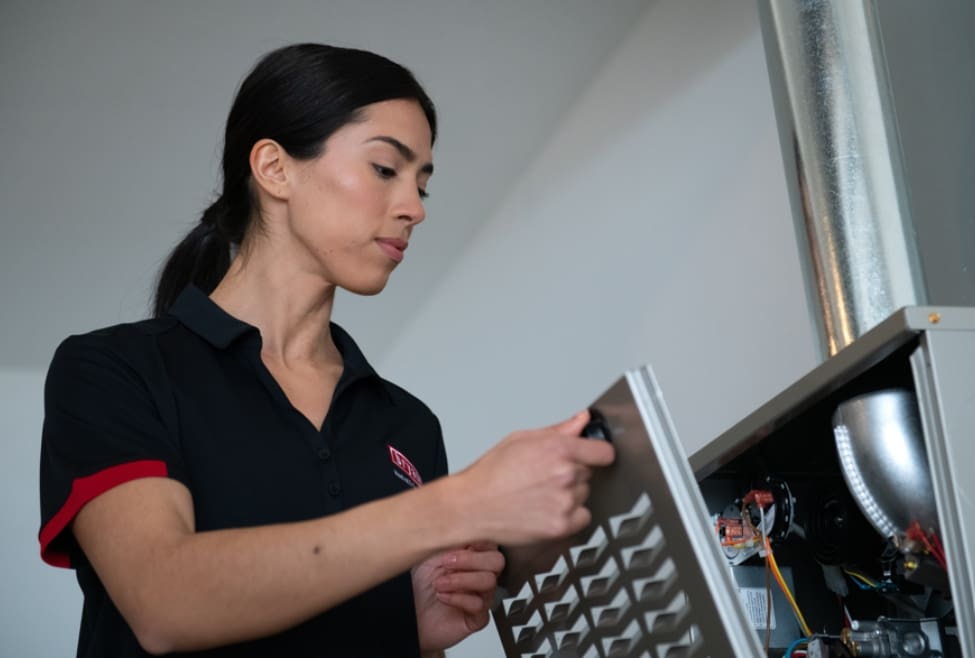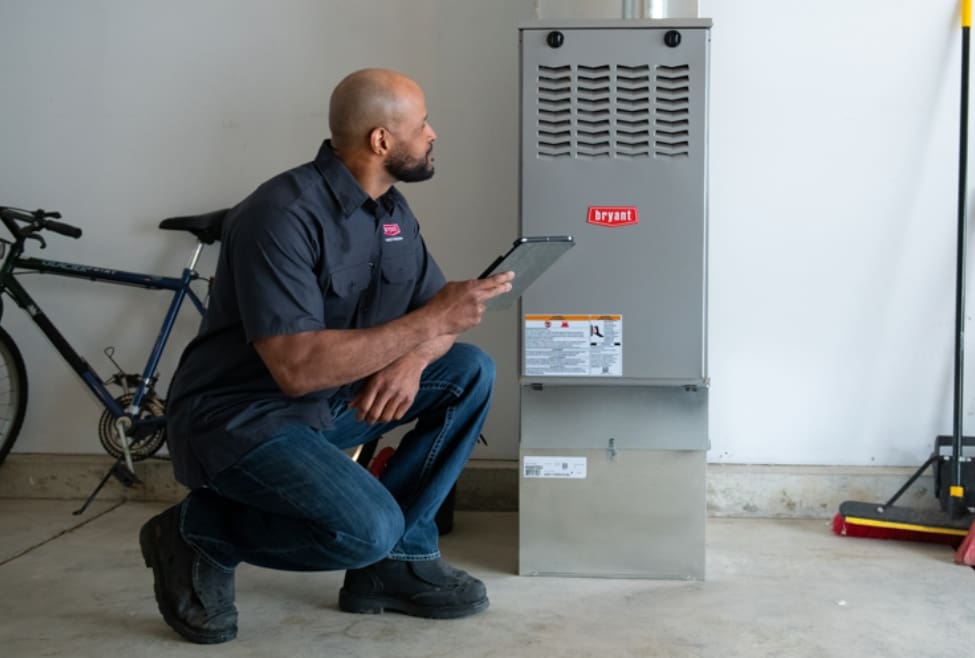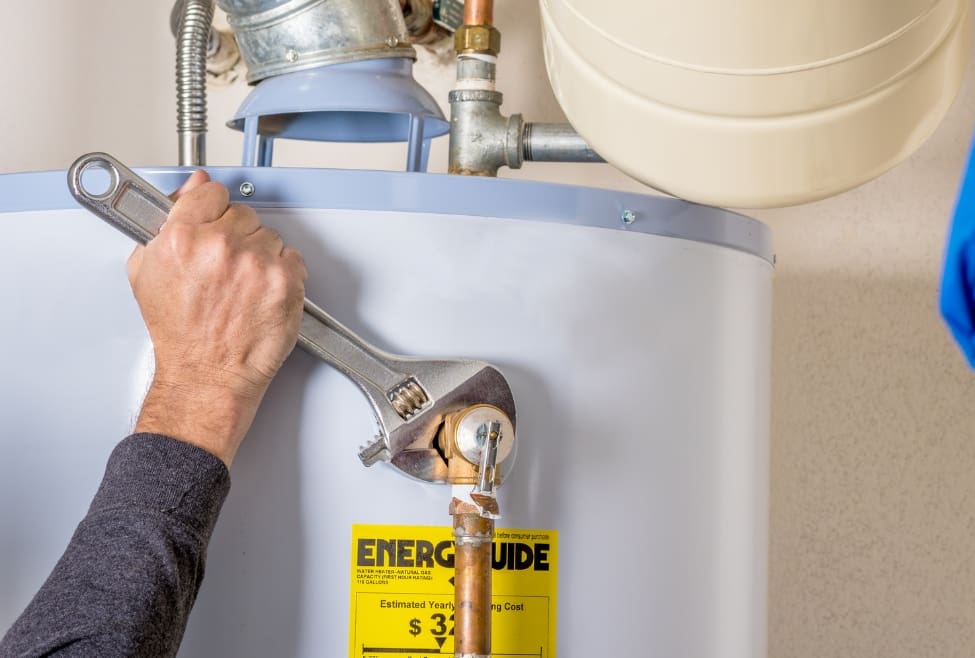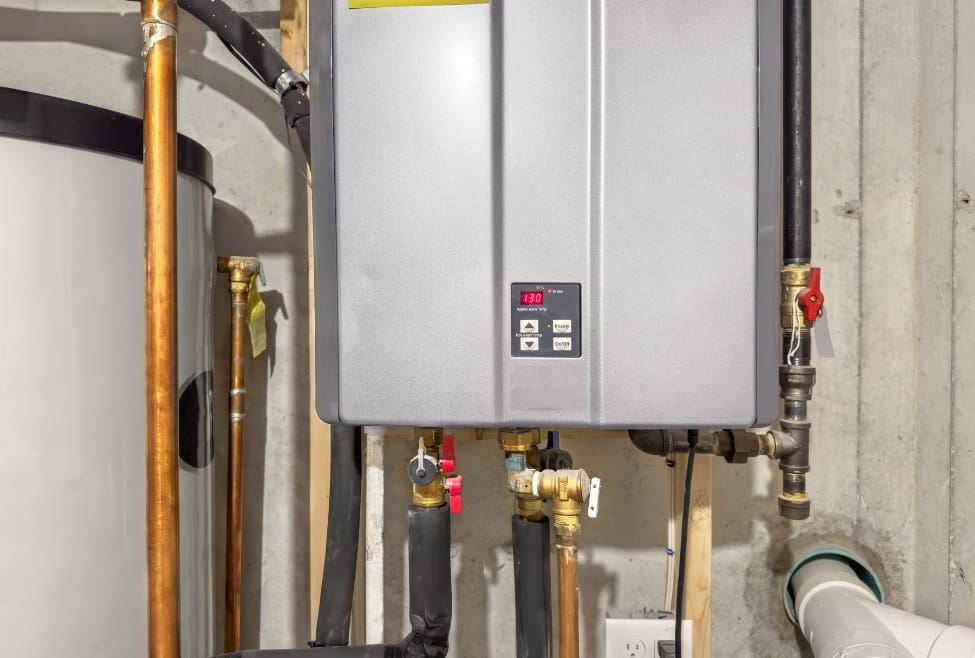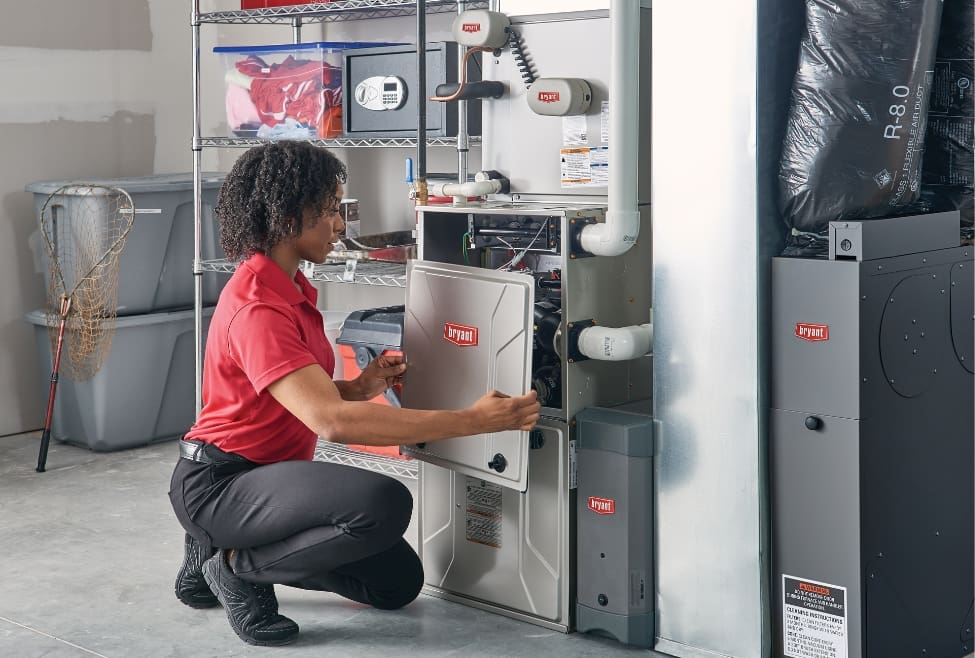
Residential furnace showing error code display, common furnace problems, furnace error codes, troubleshooting furnace, heating system repair, furnace maintenance services by Lochard HVAC, Plumbing, and Service in Troy, Piqua, Tipp City, Anna, Sidney, and Wapakoneta. Reach out to us today for help with what's the most common furnace code, furnace error codes, furnace blinking light codes, furnace not heating error, furnace diagnostic codes, furnace troubleshooting guide, heating system repair, furnace maintenance, furnace repair services, furnace replacement, furnace service near me, heating repair near me, HVAC repair, HVAC maintenance, furnace ignitor replacement, furnace not blowing hot air, emergency furnace repair, residential furnace service, commercial furnace repair, furnace inspection near me, heating system inspection, furnace tune-up, furnace efficiency check, HVAC contractors near me, furnace repair service near me.

What’s the Most Common Furnace Code?

Understanding Furnace Error Codes & What They Mean

When your furnace stops working, seeing a flashing light or digital alert can be confusing. Many homeowners immediately search “What’s the most common furnace code” to understand whether the issue is minor or requires professional help. Fortunately, furnace error codes are designed to help diagnose problems quickly, preventing further damage and restoring comfort faster.

At Lochard HVAC, Plumbing, and Service, we frequently help homeowners interpret furnace diagnostic codes, resolve heating system malfunctions, and perform reliable furnace repair and maintenance services.

What Is a Furnace Error Code?

Modern heating systems use LED flash sequences or digital messages to identify system faults. These alerts help pinpoint issues such as:

Because each manufacturer uses different code patterns, checking your furnace panel and manual is essential. However, some issues appear far more frequently than others.

What’s the Most Common Furnace Code?

The most common furnace error code typically relates to ignition failure or flame sensing issues. Homeowners often notice:

These symptoms usually indicate a dirty flame sensor, worn ignitor, gas supply interruption, or airflow restriction. As a result, professional furnace diagnostics and repair are often necessary to restore safe operation.

Common Furnace Codes and What They Mean

Ignition Failure Code

This appears when the furnace cannot ignite the burners. Dirty ignitors, cracked hot surface ignitors, or gas valve issues are common causes. Many homeowners researching furnace ignitor replacement cost discover this is a frequent repair.

Pressure Switch Error

A pressure switch code often points to vent blockages, condensate drain problems, or inducer motor failure. This can prevent the furnace from starting safely.

Limit Switch or Overheating Code

If your furnace overheats, a limit switch code may appear. Restricted airflow, clogged filters, or blower motor problems typically trigger this alert.

Flame Sensor Code

A dirty flame sensor can cause the furnace to shut off seconds after ignition. Routine furnace maintenance and cleaning helps prevent this common issue.

When to Call for Professional Furnace Repair

While resetting the system or replacing a filter may solve minor issues, certain warning signs require expert service:

  • Repeated furnace lockout codes
  • Burning smells or unusual noises
  • No heat during cold weather
  • Furnace constantly cycling
  • Thermostat not communicating with furnace

Prompt service prevents costly repairs and ensures safe heating system operation.

How Preventative Maintenance Helps Avoid Furnace Codes

Regular heating maintenance reduces breakdowns and improves efficiency. Homeowners who schedule routine inspections benefit from:

  • Cleaner ignition components
  • Improved airflow and efficiency
  • Early detection of failing parts
  • Longer furnace lifespan
  • Lower energy bills

Preventative care also reduces emergency furnace repair situations during peak winter months.

Call Today for Furnace Diagnostic & Repair Help

Our team proudly provides furnace diagnostics, heating repair, ignition troubleshooting, and maintenance across Piqua, Troy, Sidney, Bellefontaine, Celina, and Wapakoneta.

If you’re searching for furnace repair, professional diagnostics can quickly identify the problem and restore reliable comfort.

Whether your system shows ignition faults, airflow errors, or thermostat issues, expert repair ensures safe operation and prevents further damage. Schedule a furnace inspection today to keep your heating system running efficiently all winter long.

FAQs

How do I reset a furnace error code?

Many homeowners searching how to reset furnace error code can safely try a basic reset before scheduling furnace repair. Start by turning the thermostat off, then shut off power to the furnace at the breaker or service switch for about 1–2 minutes. After restoring power, turn the thermostat back to heat and monitor system startup. While this can clear minor furnace lockout codes, repeated furnace error messages may indicate deeper problems such as ignition failure, flame sensor issues, pressure switch faults, or airflow restrictions requiring professional furnace diagnostics.

Is it safe to run a furnace with error codes?

Running a furnace with active warning codes is not recommended. Furnace safety codes often signal overheating, flame rollout concerns, blocked vents, or combustion problems. Continuing to operate the system may lead to reduced heating efficiency, system shutdown, or potential safety risks. If you notice persistent furnace blinking lights, unusual smells, or inconsistent heating, scheduling furnace inspection and heating repair helps ensure safe operation and prevents costly damage.

What is the most common furnace failure?

One of the most common furnace failures involves ignition system problems. Homeowners frequently search furnace not igniting, furnace blowing cold air, or furnace starts then shuts off when dealing with worn ignitors, dirty flame sensors, or gas supply issues. Other frequent heating system failures include clogged air filters restricting airflow, blower motor malfunctions, and thermostat communication problems. Routine furnace maintenance and tune-ups significantly reduce the likelihood of these breakdowns.

What does a blinking light mean on a furnace?

A blinking furnace light typically serves as a diagnostic indicator communicating system faults. Depending on the blink pattern, the furnace may be reporting ignition failure, pressure switch issues, limit switch overheating, or flame sensing problems. Many homeowners researching furnace blinking light codes or furnace flashing red light troubleshooting discover that counting the flashes and referencing the furnace panel chart helps identify the issue. However, repeated blinking patterns usually require professional heating system troubleshooting.

Can I unplug my furnace to reset it?

Yes, turning off power can sometimes reset a furnace control board. Homeowners searching can I unplug my furnace to reset it can safely power down the system using the service switch or breaker rather than unplugging internal components. After waiting briefly, restore power and observe whether the furnace completes a normal heating cycle. If the furnace repeatedly enters lockout mode or continues displaying diagnostic codes, the issue may involve electrical components, sensors, or airflow problems that need expert furnace repair.

Need Help With Furnace Error Codes?

If your furnace continues showing warning lights, fails to produce heat, or frequently shuts down, professional diagnostics can quickly identify the cause and restore reliable comfort. The heating specialists at Lochard HVAC, Plumbing, and Service provide furnace troubleshooting, ignition repair, heating maintenance, and emergency furnace service to keep your home warm and safe.
Furnace blower motor inspection by Lochard HVAC, Plumbing, and Service, showing signs to identify if your furnace blower motor is bad, troubleshooting furnace airflow issues, blower motor replacement, and heating system maintenance for reliable home comfort. Contact us today for help with how can I tell if my furnace blower motor is bad, furnace blower motor not working, furnace blower motor making noise, furnace blower motor replacement, furnace blower motor repair, furnace blower motor inspection, furnace blower motor troubleshooting, furnace blower motor running but not heating, furnace blower motor service, furnace blower motor issues, furnace blower motor maintenance, furnace blower motor problems, furnace blower motor humming, furnace blower motor seized, furnace blower motor near me, furnace repair near me, heating system repair near me, HVAC blower motor service, furnace repair services, furnace maintenance, furnace troubleshooting, heating and cooling repair, furnace airflow problems.

How Can I Tell If My Furnace Blower Motor Is Bad?

How to Spot a Failing Furnace Blower Motor

If your home isn’t heating evenly or you hear unusual noises coming from your furnace, you may be wondering, how can I tell if my furnace blower motor is bad. The blower motor is critical for circulating warm air throughout your home, and when it starts failing, you’ll notice problems quickly. Knowing the signs early can save you from cold rooms, high energy bills, and costly repairs.

Common Signs Your Furnace Blower Motor Is Failing

  • Weak or uneven airflow – vents with weak air or rooms that aren’t heating evenly often indicate a motor problem.
  • Unusual noises – grinding, squealing, or rattling sounds may point to worn bearings or loose components.
  • Frequent overheating or shutdowns – a struggling motor can trigger the furnace’s safety system.
  • Higher energy bills – if your furnace works harder to circulate air, you may notice increased electricity costs.
  • Burning or electrical smells – overheating motors or wiring can produce noticeable odors.

How to Test Your Furnace Blower Motor

While basic maintenance like replacing air filters or clearing vents can help, properly diagnosing a blower motor requires technical expertise:

  1. Visual inspection – check for wear, debris, or loose parts around the motor.
  2. Manual spin test – gently spin the blower wheel when the furnace is off; if it doesn’t spin freely, the motor may be failing.
  3. Electrical checks – testing voltage and current ensures the motor is functioning correctly.
  4. Noise testing – abnormal sounds while the motor runs can indicate failing bearings or mechanical issues.

For safety and accuracy, many of these tests should be handled by a licensed technician.

Preventing Blower Motor Problems

Routine maintenance extends the life of your furnace and prevents motor issues:

  • Regular furnace tune-ups – including motor inspection, lubrication, and safety checks.
  • Frequent filter changes – clean filters reduce strain on the blower motor.
  • Clear and unobstructed ductwork – blocked ducts make the motor work harder, shortening its lifespan.

Expert Guidance from Lochard HVAC, Plumbing, and Service

Lochard HVAC, Plumbing, and Service proudly serves homeowners in Troy, Piqua, Sidney, Celina, Bellefontaine, and Anna, providing expert furnace inspections, maintenance, and blower motor repair. Whether it’s preventive care or troubleshooting, we ensure your heating system runs efficiently and safely.

Understanding how can I tell if my furnace blower motor is bad helps you take action before minor issues become major problems. From weak airflow to unusual noises, noticing the warning signs early and scheduling professional inspection can keep your home comfortable and your heating system reliable. Contact us today!

FAQs

Is it worth replacing the blower motor in a furnace?

Replacing a furnace blower motor is often worthwhile if your motor is failing but the rest of your furnace is in good condition. A new blower motor restores proper airflow, improves heating efficiency, reduces energy bills, and prevents additional strain on other components. Homeowners often find replacement more cost-effective than letting a failing motor cause more extensive furnace damage.

What’s the average cost to replace a blower motor in a furnace?

The cost to replace a furnace blower motor can vary depending on the type of furnace, motor model, and labor rates. On average, homeowners may expect to pay between $400 and $900 for parts and professional installation. While DIY options exist, professional replacement ensures safety, proper wiring, and optimal performance.

How to reset a furnace blower motor?

Resetting a furnace blower motor can sometimes fix minor issues like overheating or tripped safety switches. First, turn off the furnace power at the breaker. Then, locate the blower motor’s reset button—if equipped—and press it. Wait a few minutes, restore power, and test the furnace. If the motor continues to malfunction, a professional inspection may be necessary.

Can I run my furnace with a bad blower motor?

Running a furnace with a failing or bad blower motor is not recommended. Doing so can cause uneven heating, overheating of furnace components, and potentially permanent damage. Weak airflow can also trigger the furnace’s safety mechanisms, causing frequent shutdowns. Timely repair or replacement is the safest option.

What is the life expectancy of a furnace blower motor?

A well-maintained furnace blower motor typically lasts 10–20 years, depending on usage, maintenance, and the quality of the motor. Regular furnace tune-ups, keeping filters clean, and ensuring ductwork is unobstructed can help maximize the motor’s lifespan.

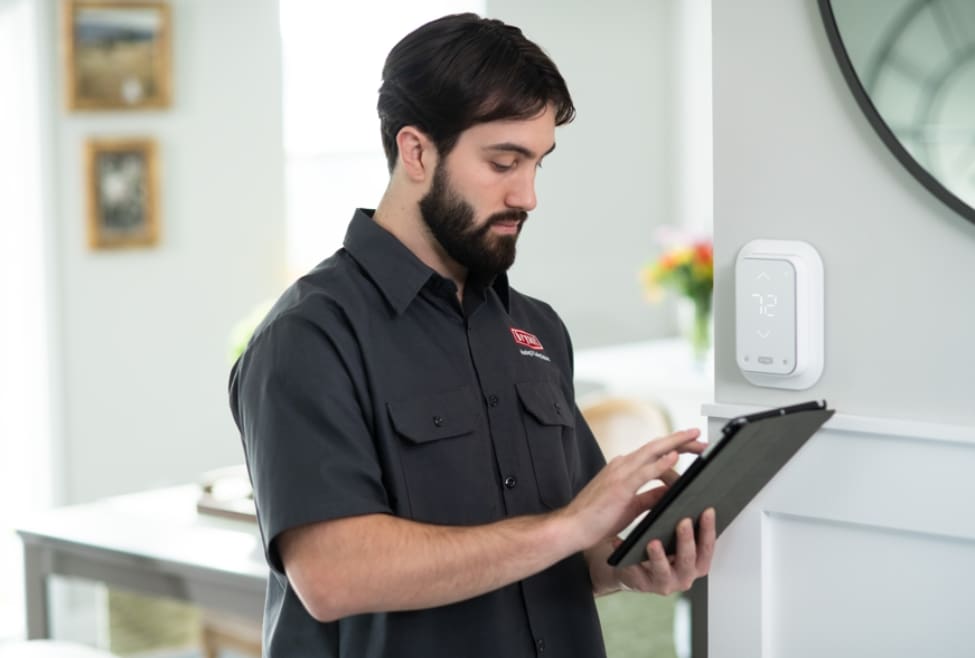
Smart thermostat displaying temperature control and energy usage settings, illustrating what is a smart thermostat, smart thermostat installation, Wi-Fi thermostat setup, HVAC energy efficiency upgrades, heating and cooling temperature control, and professional thermostat repair services by Lochard HVAC, Plumbing, and Service. Call us today for help with what is a smart thermostat, how does a smart thermostat work, smart thermostat benefits, smart thermostat energy savings, Wi-Fi thermostat installation, programmable vs smart thermostat, smart thermostat for HVAC system, smart thermostat troubleshooting, smart thermostat not connecting to Wi-Fi, smart thermostat temperature inaccurate, smart thermostat installation cost, professional thermostat installation, thermostat replacement services, HVAC thermostat upgrade, heating and cooling thermostat control, energy efficient thermostat solutions, smart home thermostat integration, Nest thermostat installation, Ecobee thermostat setup, smart thermostat repair services, furnace thermostat not working, AC thermostat problems, thermostat wiring repair, best smart thermostat for home comfort, HVAC energy efficiency upgrades, thermostat installation near me, smart thermostat repair near me, HVAC thermostat replacement near me, heating and cooling services near me, furnace and AC thermostat services near me, professional HVAC company smart thermostat services by Lochard HVAC, Plumbing, and Service.

What Is a Smart Thermostat?

Understanding What Is a Smart Thermostat

Many homeowners ask, what is a smart thermostat and whether upgrading is worth it. Simply put, a smart thermostat is a Wi-Fi–connected device that automatically adjusts your home’s heating and cooling settings to improve comfort, energy efficiency, and system performance. Unlike traditional thermostats, smart models learn your habits, allow remote temperature control, and help reduce energy waste.

Because modern HVAC systems operate more efficiently with precise temperature management, installing a smart thermostat can significantly improve heating and cooling performance, reduce energy bills, and extend equipment lifespan. At Lochard HVAC, Plumbing, and Service, we help homeowners choose, install, and optimize smart thermostat technology to work seamlessly with their HVAC systems.

How Does a Smart Thermostat Work?

A smart thermostat connects to your home’s Wi-Fi and communicates with your HVAC equipment. As a result, you can control temperature settings using a smartphone, tablet, or voice assistant.

Additionally, most smart thermostats provide:

  • Learning capabilities that adapt to your schedule
  • Remote access for temperature adjustments anywhere
  • Energy usage reports that highlight savings opportunities
  • Integration with smart home automation systems
  • Maintenance alerts that help prevent HVAC breakdowns

Because of these features, homeowners often pair smart thermostats with furnace repair, AC maintenance, and HVAC system upgrades to maximize efficiency and prevent unexpected heating or cooling problems.

Benefits of Smart Thermostat Installation

1. Lower Energy Bills

Smart thermostats reduce unnecessary heating and cooling cycles. Consequently, homeowners often notice immediate savings after smart thermostat installation.

2. Improved Home Comfort

With automatic temperature adjustments, your home stays comfortable without constant manual changes. This works especially well when combined with HVAC zoning services.

3. Remote HVAC Control

Whether you are at work or on vacation, you can manage your system through smart thermostat programming and mobile access.

4. Longer HVAC System Lifespan

Because smart thermostats prevent excessive system cycling, they help reduce wear and tear. Therefore, homeowners experience fewer repairs and improved system reliability.

5. Better Indoor Air Quality Support

When paired with HVAC maintenance services and air filtration upgrades, smart thermostats can help maintain consistent airflow and humidity control.

Signs You Should Upgrade to a Smart Thermostat

You may benefit from a smart thermostat if you experience:

  • Uneven temperatures throughout the home
  • High heating and cooling energy bills
  • Frequent HVAC cycling
  • Outdated manual thermostat controls
  • Desire for remote HVAC access and automation

If these issues sound familiar, upgrading with professional thermostat installation can improve efficiency while preventing costly HVAC repairs.

Professional Smart Thermostat Installation Matters

Although some thermostats appear DIY-friendly, improper wiring or configuration can cause system malfunctions, short cycling, or inaccurate temperature readings. For that reason, professional installation ensures compatibility, proper calibration, and optimal HVAC performance.

At Lochard HVAC, Plumbing, and Service, our technicians handle:

  • Smart thermostat installation and setup
  • Thermostat replacement and upgrades
  • HVAC wiring and compatibility checks
  • Heating and cooling efficiency optimization
  • Furnace and AC system integration

As a result, homeowners receive reliable performance and maximum energy savings from their smart thermostat investment.

Upgrade Your Comfort with Lochard HVAC, Plumbing, and Service

Lochard HVAC, Plumbing, and Service provides smart thermostat and HVAC services throughout Piqua, Troy, Sidney, Bellefontaine, Celina, and Wapakoneta.

If you are still wondering what is a smart thermostat and whether it is right for your home, our team can help you choose the ideal model and ensure professional installation. Whether you need thermostat replacement, HVAC repair, furnace service, or AC system upgrades, we deliver dependable comfort solutions.

Contact Lochard HVAC, Plumbing, and Service today to schedule smart thermostat installation and start saving on energy while improving year-round comfort.

FAQs

What is the point of a smart thermostat?

The main purpose of a smart thermostat is to improve energy efficiency, comfort, and HVAC system control. Smart thermostats automatically adjust heating and cooling based on your schedule, occupancy, and preferences. Homeowners often search for solutions to high energy bills, uneven room temperatures, excessive furnace cycling, and AC inefficiency, all of which a smart thermostat can help address. Additionally, features like remote temperature control, energy usage tracking, and smart home integration allow better system management while reducing wasted energy.

What are the downsides of smart thermostats?

Although smart thermostats offer many benefits, some homeowners experience concerns such as higher upfront installation cost, compatibility issues with older HVAC systems, Wi-Fi connectivity reliance, and learning curve for advanced features. In some cases, improper installation can lead to short cycling, incorrect temperature readings, or system communication errors. However, professional thermostat setup helps prevent these problems and ensures accurate performance.

What is the difference between a regular thermostat and a smart thermostat?

A traditional thermostat typically requires manual temperature adjustments and basic scheduling, while a smart thermostat provides automated temperature learning, remote smartphone control, energy reports, and advanced HVAC optimization. Many homeowners researching thermostat replacement, HVAC efficiency upgrades, and energy-saving home improvements choose smart thermostats because they offer better comfort consistency and improved system performance compared to standard programmable thermostats.

Is it worth switching to a smart thermostat?

For many homeowners, switching is worthwhile due to energy savings, improved heating and cooling comfort, reduced HVAC wear and tear, and convenient remote access. Smart thermostats are especially beneficial if you experience temperature fluctuations, high utility costs, or frequent furnace and air conditioner cycling. Additionally, pairing smart thermostat technology with HVAC maintenance, furnace tune-ups, and AC performance optimization can further increase efficiency and long-term system reliability.

What happens to a smart thermostat if Wi-Fi goes down?

If Wi-Fi connectivity is lost, most smart thermostats continue operating using their last programmed schedule and manual temperature settings. However, you may temporarily lose remote access, mobile app control, voice assistant integration, and real-time energy monitoring. Once the connection is restored, the thermostat typically reconnects automatically without affecting heating or cooling performance.

Need Help Choosing or Installing a Smart Thermostat?

If you are considering an upgrade or experiencing thermostat compatibility issues, HVAC efficiency concerns, or uneven home temperatures, the experts at Lochard HVAC, Plumbing, and Service can help with professional smart thermostat installation, thermostat replacement, and complete heating and cooling system optimization.

Furnace ignitor replacement performed by Lochard HVAC, Plumbing, and Service to fix furnace not heating and no heat issues. Reach out to us today for help with furnace ignitor replacement, furnace igniter replacement, furnace ignitor repair, furnace igniter repair, gas furnace ignitor replacement, hot surface ignitor replacement, HSI furnace ignitor replacement, furnace ignitor cost, furnace ignitor not glowing, furnace not igniting, furnace not heating, furnace blowing cold air, furnace no heat repair, furnace ignition problems, faulty furnace ignitor, cracked furnace ignitor, furnace won’t start, furnace clicking but not igniting, emergency furnace repair, heating repair services, furnace repair services, residential furnace repair, gas furnace repair, heating system repair, HVAC furnace repair, licensed furnace technician, professional furnace repair, same day furnace repair, furnace ignitor replacement near me, furnace repair near me, heating repair near me, emergency furnace repair near me, gas furnace ignitor replacement near me.

Furnace Ignitor Replacement: Signs & Causes

Understanding Furnace Ignitors and Common No-Heat Problems

When your furnace suddenly stops producing heat, the problem often traces back to the ignitor. A failed ignitor is one of the most common reasons homeowners search for furnace ignitor replacement, especially when the furnace is running but not blowing hot air. At Lochard HVAC, Plumbing, and Service, we help homeowners quickly diagnose ignition problems and restore reliable heat before small issues turn into full system breakdowns.

What Is a Furnace Ignitor and Why It Matters

Your furnace ignitor is responsible for lighting the gas that heats your home. Without it, the burners never ignite, which means your furnace may blow cold air or shut down entirely. Over time, ignitors wear out due to normal use, electrical surges, or dirt buildup. As a result, ignition failure becomes a frequent cause of no-heat calls during colder months.

Signs You May Need Furnace Ignitor Replacement

If you notice any of the following issues, your furnace ignitor may be failing:

  • Furnace running but no heat coming from vents
  • Furnace blowing cold air instead of warm air
  • Repeated furnace short cycling
  • Clicking sounds without ignition
  • Furnace shuts off shortly after starting

Because these symptoms overlap with other heating problems, professional furnace diagnostics are essential to confirm whether ignitor replacement is needed.

Common Causes of Furnace Ignitor Failure

Several factors can lead to ignitor issues. Most commonly, ignitors crack from age-related wear. Additionally, power fluctuations can damage sensitive components, while dirty air filters may restrict airflow and cause overheating. In gas furnaces, flame sensor problems sometimes accompany ignitor failure, making accurate troubleshooting even more important.

Can You Replace a Furnace Ignitor Yourself?

While some homeowners attempt DIY furnace ignitor replacement, it is not always recommended. Ignitors are fragile, and incorrect installation can cause further damage or create safety risks. Moreover, using the wrong replacement part may lead to repeated furnace breakdowns. Professional furnace repair ensures the ignitor is properly matched, safely installed, and tested for reliable performance.

How Professional Furnace Ignitor Replacement Helps

At Lochard HVAC, Plumbing, and Service, our technicians perform a full heating system inspection before replacing the ignitor. This approach helps identify related issues such as thermostat problems, airflow restrictions, or electrical faults. As a result, your furnace runs more efficiently, safely, and consistently throughout the heating season.

We provide expert furnace ignitor replacement and heating repair services across Troy, Piqua, Sidney, Bellefontaine, Celina, and St. Marys, ensuring fast response times when heat matters most.

Preventing Future Ignitor Problems

Regular furnace maintenance is the best way to reduce the risk of ignitor failure. Annual inspections allow technicians to check ignition components, clean sensors, and address wear before it leads to a no-heat emergency. Preventative care not only extends furnace lifespan but also improves energy efficiency and home comfort.

Schedule Furnace Ignitor Replacement Today

If your furnace is not blowing hot air or keeps shutting down, professional furnace ignitor replacement may be the solution. Contact Lochard HVAC, Plumbing, and Service today to schedule expert furnace repair and restore dependable heat to your home.

FAQs

Can I replace my own furnace ignitor?

Many homeowners ask if furnace ignitor replacement is a DIY job. While it may look simple, replacing a furnace ignitor involves working with fragile components, electrical connections, and gas systems. Touching the ignitor incorrectly can cause it to fail instantly, and installing the wrong ignitor type can lead to ignition problems or safety risks. In many cases, what appears to be a bad ignitor could actually be a control board, flame sensor, or wiring issue. Professional furnace repair ensures the ignitor is properly diagnosed, safely installed, and compatible with your furnace model.

How much does it cost to replace an ignitor on a furnace?

The cost to replace a furnace ignitor typically depends on the furnace brand, ignitor type, and whether additional repairs are needed. On average, homeowners can expect furnace ignitor replacement costs to be lower than many other heating repairs, especially when addressed early. Delaying service can lead to repeated ignition failures, no-heat emergencies, or strain on other furnace components. Accurate diagnostics help avoid unnecessary parts replacement and keep repair costs under control.

How can I tell if my furnace ignitor is bad?

Common signs of a bad furnace ignitor include the furnace blowing cold air, the system starting but shutting off quickly, clicking sounds without ignition, or the furnace failing to start at all. You may also notice the ignitor glowing inconsistently or not glowing at all during startup. A professional furnace inspection can confirm whether the ignitor is cracked, worn out, or no longer drawing the correct electrical resistance.

How often do furnace igniters need to be replaced?

Most furnace igniters last several years, but their lifespan depends on usage, furnace maintenance, and electrical conditions in the home. Frequent cycling, dirty burners, or power surges can shorten ignitor life. If your furnace is older or has had repeated ignition issues, ignitor replacement may be more common. Routine furnace maintenance can help extend ignitor lifespan and catch early signs of failure before a complete no-heat situation occurs.

What is the most expensive part to fix on a furnace?

Homeowners often ask this when comparing repair options. Typically, the most expensive furnace repairs involve the heat exchanger, blower motor, or control board. Compared to these components, furnace ignitor replacement is usually one of the more affordable heating repairs. Addressing ignitor problems early can help prevent stress on larger, more costly furnace parts and reduce the risk of emergency breakdowns during cold weather.

Need Help With Furnace Ignitor Replacement or No-Heat Issues?

If your furnace is not producing heat or showing signs of ignition failure, Lochard HVAC, Plumbing, and Service can diagnose the issue quickly and recommend the right solution. Our experienced technicians handle furnace replacement, no-heat repairs, and full furnace diagnostics to restore safe, reliable heating when you need it most.

Furnace not blowing hot air showing a heating system with no heat issue, furnace repair and heating diagnostics by Lochard HVAC, Plumbing & Service. Call us today for help with furnace not blowing hot air, furnace blowing cold air, furnace running but no heat, furnace not heating house, heater not blowing hot air, no heat from furnace, furnace blowing lukewarm air, furnace not producing heat, furnace fan on but no heat, furnace working but no hot air, furnace won’t heat properly, furnace not warming home, heating system not blowing hot air, gas furnace not blowing hot air, electric furnace not blowing hot air, furnace igniter not working, furnace pilot light out, furnace flame sensor issue, furnace thermostat not working, clogged furnace filter causing no heat, furnace airflow problems, furnace ductwork issues, emergency furnace repair, furnace repair service, heating repair service, residential furnace repair, professional furnace diagnostics, furnace inspection and troubleshooting, furnace maintenance service, furnace repair near me, furnace not blowing hot air near me, heater repair near me, no heat repair near me, emergency furnace repair near me.

Furnace Not Blowing Hot Air?

Why Your Furnace Is Running but Not Heating Your Home

When winter temperatures drop, few things are more frustrating than discovering your furnace not blowing hot air. You may hear the system running, feel air coming from the vents, yet your home stays cold. This issue is more common than many homeowners realize and can be caused by anything from airflow problems to failing furnace components. Fortunately, identifying the cause early can help prevent more serious — and costly — heating system damage.

At Lochard HVAC, Plumbing, and Service, we regularly help homeowners restore reliable heat and comfort before small furnace issues turn into full system breakdowns.

Common Reasons a Furnace Is Not Blowing Hot Air


Dirty Air Filters Restrict Airflow

One of the most common causes of a furnace not producing warm air is a clogged or dirty air filter. When airflow is restricted, the furnace can overheat and shut down the heating cycle, resulting in cool or lukewarm air. Regular filter changes are essential to maintaining proper airflow and furnace efficiency. Furnace maintenance services can help catch this issue early.

Thermostat Problems

Sometimes the issue isn’t the furnace itself. Incorrect thermostat settings, failing sensors, or wiring problems can prevent your system from signaling the furnace to produce heat. If your thermostat is set correctly but warm air never arrives, professional thermostat repair or replacement may be needed.

Pilot Light or Ignition Issues

Gas furnaces rely on a pilot light or electronic ignition to heat the air. If the pilot light goes out or the ignition system fails, the furnace may blow cold air instead of heat. This is a common reason homeowners search for furnace blowing cold air or no heat from furnace online.

Faulty Limit Switch

A malfunctioning limit switch can cause your furnace fan to run without activating the burners. As a result, your system pushes unheated air through the vents. This issue typically requires professional furnace repair to correct safely.

Ductwork or Airflow Problems

Leaks, blockages, or disconnected ducts can prevent heated air from reaching your living spaces. Even if the furnace is working properly, poor ductwork can create uneven heating or no heat at all. Duct inspection and airflow balancing can restore proper performance.

When a Furnace Not Blowing Hot Air Becomes an Emergency

If your furnace stops heating entirely during freezing temperatures, the situation can quickly become an emergency. Prolonged lack of heat increases the risk of frozen pipes, property damage, and unsafe indoor conditions. In these cases, emergency furnace repair is strongly recommended to protect both your home and your family.

How Professional Furnace Repair Makes a Difference

While basic troubleshooting like checking filters or thermostat settings can help, many heating issues require trained technicians. Professional HVAC diagnostics ensure problems are identified accurately and repaired correctly the first time. In some cases, older systems may benefit more from furnace replacement rather than repeated repairs.

Our team provides reliable heating services for homeowners in Troy, Piqua, Sidney, Bellefontaine, Celina, and Tipp City, delivering fast solutions designed to restore comfort and efficiency.

Preventing Future Heating Problems

Routine furnace maintenance is the best way to avoid breakdowns. Regular inspections help extend system lifespan, improve energy efficiency, and reduce unexpected heating repairs. Preventative care also ensures your furnace performs reliably when you need it most.

Restore Warmth and Comfort Today

If your furnace is not blowing hot air, don’t wait for the problem to worsen. Lochard HVAC, Plumbing, and Service offers expert furnace repair, heating system diagnostics, and preventative maintenance to keep your home comfortable all winter long. Contact our team today to schedule service and get your heat back on track.

FAQs

Why is my furnace running but not blowing hot air?

If your furnace is running but not producing heat, the issue is often related to ignition problems, airflow restrictions, or thermostat settings. Common causes include a dirty furnace filter, a malfunctioning flame sensor, a faulty igniter, or issues with the gas supply. In some cases, the furnace may be overheating and triggering a safety shutdown, which causes the blower to run without heat. When a furnace is not blowing hot air consistently, a professional furnace diagnostic can pinpoint the exact failure before it leads to a full breakdown.

How do you reset a furnace that blows cold air?

To reset a furnace that is blowing cold air, start by turning off the power at the thermostat and the breaker, then wait a few minutes before restoring power. Check the furnace filter and replace it if it’s clogged, as restricted airflow can cause the system to shut off the burners. Also, verify that the thermostat is set to “heat” and not “fan only.” While a reset can resolve minor furnace issues, recurring cold air problems usually indicate deeper issues such as ignition failure, sensor problems, or electrical faults that require professional furnace repair.

What are signs of a bad furnace igniter?

A failing furnace igniter often causes delayed ignition, intermittent heating, or no heat at all. You may notice the furnace attempting to start without the burners lighting, or the system may shut down shortly after turning on. Other signs include unusual clicking sounds, frequent furnace cycling, or error codes on newer systems. Because the igniter is a critical component for safe furnace operation, ignoring these symptoms can lead to complete heat loss during colder weather.

What is the most common part failure that causes no heat?

One of the most common furnace part failures that results in no heat is a dirty or damaged flame sensor. When the sensor cannot detect a flame, it shuts the system down as a safety precaution, even if the burners briefly ignite. Other frequent failures include worn igniters, malfunctioning limit switches, and thermostat wiring issues. Routine furnace maintenance helps catch these problems early and reduces the risk of sudden heating failure.

How do I reset my furnace ignitor?

Most furnace igniters do not have a manual reset button. However, you can attempt a system reset by turning off power to the furnace at the breaker, waiting several minutes, and then restoring power. If the igniter continues to fail, it may be cracked, weakened, or electrically damaged and will need replacement. Because igniter issues are tied to gas and electrical systems, professional furnace service is the safest way to restore reliable heat.

Need Help With a Furnace Not Blowing Hot Air?

If your furnace is running but not producing heat, the experienced technicians at Lochard HVAC, Plumbing & Service can diagnose the problem and recommend the right solution. From igniter replacement to full furnace repair, we’re here to restore your comfort safely and efficiently.

Professional water testing being performed to check drinking water safety and water quality in a home, including testing for contaminants, hard water, and plumbing-related water issues by Lochard HVAC, Plumbing, and Service. Call us today for help with how to test water quality, home water quality testing, drinking water quality test, water quality testing near me, professional water testing services, residential water testing, tap water testing, water contamination testing, water safety testing, water hardness testing, water pH testing, lead testing in drinking water, bacteria testing in water, water quality inspection, whole house water testing, plumbing water quality test, water filtration testing, water softener water testing, water treatment services near me, plumbing inspection for water quality, licensed plumber water testing, emergency plumbing water issues, water testing and filtration services near me.

How to Test Water Quality

Why Learning How to Test Water Quality Matters

If you’ve ever wondered how to test water quality in your home, you’re not alone. Many homeowners are concerned about the safety, taste, and clarity of their drinking water. Poor water quality can affect everything from your health to your plumbing system, appliances, and water heater.

At Lochard HVAC, Plumbing, and Service, we regularly help homeowners identify water quality issues such as hard water, sediment, iron, chlorine taste, and potential contaminants. Knowing how to test your water is the first step toward protecting your home and family.

Common Signs of Poor Water Quality

Before testing, it’s important to recognize the warning signs that something may be wrong. These include:

  • Cloudy or discolored water
  • Metallic or sulfur (“rotten egg”) smells
  • Bad-tasting tap water
  • White scale buildup on faucets or fixtures
  • Dry skin or hair after showering
  • Reduced efficiency or early failure of plumbing fixtures and water heaters

These symptoms often indicate hard water, mineral buildup, or other water contamination issues that should not be ignored.

How to Test Water Quality at Home

There are several ways homeowners can test water quality, depending on the level of detail needed.

At-Home Water Test Kits

Basic water test kits are available at hardware stores and online. These kits typically test for pH levels, hardness, chlorine, iron, and sometimes bacteria. While convenient, they may not detect all contaminants.

Visual and Sensory Checks

Checking water clarity, smell, and taste can provide clues, but these methods are not always reliable. Some contaminants are odorless and invisible, which is why professional testing is often recommended.

Professional Water Testing

For the most accurate results, professional water testing is the best option. Licensed plumbers can test for hard water minerals, sediment, corrosion, and other issues affecting both water quality and plumbing performance. Professional testing also helps determine whether water filtration or water treatment systems are needed.

How Water Quality Affects Your Plumbing System

Poor water quality doesn’t just impact drinking water—it can damage your plumbing. Hard water and sediment buildup can clog pipes, reduce water pressure, and shorten the lifespan of water heaters. Over time, untreated water issues may lead to leaks, inefficient heating, or costly plumbing repairs.

That’s why many homeowners choose professional plumbing inspections and water quality evaluations to protect their systems long-term.

When to Consider Water Filtration or Treatment

If testing shows poor water quality, solutions may include whole-home water filtration systems, water softeners, or point-of-use filters. These systems improve taste, protect plumbing fixtures, and help appliances like water heaters operate more efficiently.

Our team helps homeowners evaluate their results and determine the best solution for their specific water quality concerns.

Lochard HVAC, Plumbing, and Service proudly provides plumbing and water quality services in Troy, Piqua, Sidney, Wapakoneta, Bellefontaine, and St. Marys. We understand local water conditions and help homeowners choose the right solutions for their area.

Protect Your Home with Professional Water Quality Testing

Understanding how to test water quality is essential, but acting on the results is just as important. If you’re experiencing water quality issues or want peace of mind, Lochard HVAC, Plumbing, and Service offers professional water testing, plumbing inspections, and water treatment solutions.

Contact our team today to schedule a water quality evaluation and ensure your home’s water is safe, clean, and reliable.

FAQs

How can I test if my water is safe?

As a homeowner, the most reliable way to test if your water is safe is through professional water quality testing. This type of testing checks for common contaminants such as bacteria, excess minerals, chlorine, sediment, and pH imbalances. While visual and taste checks can raise red flags, they don’t always reveal hidden issues that affect drinking water safety and plumbing systems.

What is the best test for drinking water quality?

The best test for drinking water quality is a comprehensive water analysis performed by a licensed plumbing professional. These tests evaluate hardness levels, iron, lead, chlorine, and other potential contaminants that impact both health and plumbing performance. Professional testing provides more accurate results than basic strips and helps determine if water filtration or treatment systems are needed.

Are home water test kits accurate?

Home water test kits can be useful for detecting basic issues like pH levels, chlorine, or water hardness. However, they are often limited in scope and may not identify bacteria or trace contaminants. For homeowners experiencing ongoing water quality problems, professional water testing offers more precise results and long-term solutions.

What are the signs of bad water quality?

Common signs of poor water quality include cloudy or discolored water, metallic or sulfur odors, unpleasant taste, white scale buildup on faucets, dry skin after showering, and reduced water pressure. Over time, bad water quality can also damage pipes, fixtures, and water heaters, leading to expensive plumbing repairs if left unaddressed.

Can I test my own tap water?

Yes, homeowners can test their own tap water using at-home test kits for basic screening. However, if results are unclear or if there are persistent issues with taste, odor, or appliance performance, professional water quality testing is recommended for a complete and accurate evaluation.

Concerned About Your Home’s Water Quality?

If you’re unsure about your water’s safety or notice signs of poor water quality, Lochard HVAC, Plumbing, and Service can help. Our team provides professional water testing, plumbing inspections, and water treatment solutions to help protect your home and improve water quality.

How and Why You Should Drain Your Water Heater

Understanding Why You Need to Drain Your Water Heater

If you’ve ever asked yourself, “should I drain water heater regularly?”, you’re not alone. Draining your water heater is a critical maintenance task that helps prevent sediment buildup, improves heating efficiency, and extends the life of your unit. Sediment from minerals in water can accumulate at the bottom of your tank over time, causing your heater to work harder, increasing energy bills, and potentially leading to leaks or failure.

At Lochard HVAC, Plumbing, and Service, we help homeowners in Piqua, Sidney, Troy, Bellefontaine, Celina, and Wapakoneta perform water heater maintenance and drain water heater services to keep hot water flowing reliably.

How to Drain a Water Heater Safely

Draining your water heater may seem intimidating, but following proper steps ensures safety and efficiency:

  1. Turn Off Power or Gas: Shut off electricity to an electric water heater or the gas supply to a gas-powered unit.
  2. Shut Off Water Supply: Close the cold water inlet valve to prevent new water from entering the tank.
  3. Attach a Hose to the Drain Valve: Connect a garden hose to the tank’s drain valve and run the other end to a floor drain or safe outdoor area.
  4. Open the Valve and Drain the Tank: Carefully open the valve and let the water flow. You may need to open a hot water faucet in the house to allow air in and speed drainage.
  5. Flush Out Sediment: Once empty, you can briefly turn on the cold water supply to flush out remaining sediment.
  6. Close Valve and Refill: Close the drain valve, remove the hose, and refill the tank. Restore power or gas to heat the water again.

Regularly draining your water heater reduces the risk of sediment buildup, noisy operation, and premature failure.

Benefits of Regular Water Heater Maintenance

Draining your water heater isn’t just about preventing issues; it also provides long-term benefits:

  • Improved Energy Efficiency: Less sediment means faster heating and lower energy bills.
  • Extended Tank Life: Proper maintenance can add years to your water heater’s lifespan.
  • Reliable Hot Water Supply: Prevents cold spots caused by mineral buildup.
  • Reduced Risk of Leaks and Damage: Minimizes pressure on tank walls, reducing rupture risk.

For homeowners in St. Marys, Tipp City, West Milton, Covington, St. Paris, and Versailles, routine maintenance and water heater services from Lochard HVAC, Plumbing, and Service ensure your system runs smoothly year-round.

When to Call a Professional

While draining a water heater is doable for many homeowners, sometimes it’s best to call a licensed plumber. Signs you may need professional help include:

Our team specializes in water heater repair, replacement, and drain water heater services, handling both tank and tankless systems efficiently and safely.

Keep Your Hot Water Flowing – Schedule Maintenance Today

Don’t wait for sediment buildup to cause costly damage. Contact Lochard HVAC, Plumbing, and Service today for professional water heater maintenance, drain water heater services, or repair in New Bremen, Minster, Anna, Fort Loramie, Russia, and Jackson Center. Our licensed technicians ensure your home enjoys reliable, energy-efficient hot water all year long.

FAQs

Do water heaters really need to be drained?

Yes, water heaters should be drained regularly to remove sediment buildup, which can cause noisy operation, reduced heating efficiency, and a shorter tank lifespan. Draining and flushing your water heater helps maintain consistent hot water supply, prevents corrosion, and improves overall energy efficiency. Regular maintenance ensures your system works safely and reliably.

Can I drain my hot water heater by myself?

Many homeowners can drain a water heater themselves, especially if they follow proper safety steps, such as turning off the power or gas supply and using a garden hose to direct water safely. However, if your water heater shows signs of leaks, rust, or excessive sediment, it’s best to call a licensed plumber to prevent damage and ensure proper maintenance.

How long should it take for a 40-gallon water heater to drain?

On average, a 40-gallon water heater takes 30 to 60 minutes to drain completely, depending on the sediment buildup and water pressure. Flushing the tank afterward may take an additional 10–15 minutes. Draining and flushing regularly can speed up the process and improve overall heating performance.

Should I flush a 7-year-old water heater?

Absolutely. Flushing a 7-year-old water heater is important to remove mineral deposits that naturally accumulate over time. Regular flushing can prevent costly repairs, improve heating efficiency, and extend the life of your water heater, whether it’s a tank or tankless system.

Can I damage the water heater by draining it?

Draining a water heater properly should not damage the unit. Damage typically occurs when safety steps are skipped, such as leaving the power or gas on, not opening a hot water faucet to relieve pressure, or using a damaged hose. Following proper procedures or hiring a professional ensures your water heater stays safe and functional.

For professional water heater maintenance, drain water heater services, or repair, contact Lochard HVAC, Plumbing, and Service today. Our licensed technicians ensure reliable, efficient hot water for your home in Indian Lake, Bradford, Botkins, Degraff, Quincy, and Houston.

Electric tankless water heater installed by Lochard HVAC, Plumbing, and Service, providing expert water heater installation, repair, and maintenance for energy-efficient hot water solutions in homes. Contact us today for help with best electric tankless water heater, electric tankless water heater installation, tankless water heater repair, electric water heater replacement, tankless hot water heater service, energy-efficient water heaters, home water heater installation, water heater maintenance, tankless water heater installation near me, electric hot water heater repair near me, best tankless water heater for home, on-demand water heater installation, whole-house tankless water heater, water heater replacement services, tankless water heater maintenance, tankless water heater service near me, high-efficiency water heater installation, water heater troubleshooting, electric tankless water heater cost, home water heater upgrade, tankless water heater installation cost, professional water heater services, Lochard HVAC plumbing water heaters.

Best Electric Tankless Water Heater

What Homeowners Should Know Before Choosing the Best Electric Tankless Water Heater

Many homeowners ask us the same question: What is the best electric tankless water heater for my home? While tankless systems offer impressive benefits, they are not always the right fit for every household. Understanding how electric tankless water heaters work—and when they perform best—can help you avoid costly mistakes.

At Lochard HVAC, Plumbing, and Service, we regularly help homeowners compare tankless water heaters vs traditional tank systems, especially when hot water demand, energy efficiency, and long-term costs are top concerns.

How Electric Tankless Water Heaters Work

An electric tankless water heater heats water on demand instead of storing it in a tank. When you turn on a faucet, powerful heating elements instantly warm the water as it flows through the unit. As a result, you don’t run out of hot water like you can with a standard tank system.

However, electric tankless systems require significant electrical capacity, which is why professional evaluation and installation are essential. A licensed plumber can determine whether your home’s electrical panel can support the load before installation.

Benefits of the Best Electric Tankless Water Heater

Choosing the best electric tankless water heater offers several advantages, including:

  • Endless hot water for showers, sinks, and appliances
  • Improved energy efficiency compared to older tank systems
  • Lower risk of water damage from tank leaks
  • Compact design that saves space
  • Longer lifespan than traditional water heaters

Because these systems only heat water when needed, many homeowners also see reduced utility bills over time.

When an Electric Tankless Water Heater May Not Be Ideal

Despite the benefits, electric tankless water heaters are not perfect for every home. For example, homes with high simultaneous water usage—such as multiple showers running at once—may experience reduced performance without the proper system size.

Additionally, older homes often need electrical upgrades before installation. This is why professional water heater installation and plumbing inspections are so important before choosing a tankless system.

Tankless vs Tank Water Heaters: Which Is Better?

The “best” option depends on your household’s needs. Traditional tank water heaters are typically less expensive upfront and easier to install. On the other hand, tankless systems offer long-term efficiency, consistent hot water, and fewer breakdown risks.

Our team often reviews water heater repair history, hot water usage, and energy costs to help homeowners make the right choice. In many cases, the best electric tankless water heater is a smart investment—but only when installed correctly.

Professional Installation Makes All the Difference

Even the best electric tankless water heater will underperform without proper installation. Electrical requirements, water pressure, and flow rate must all be correctly calculated. Improper installation can lead to heating delays, error codes, or system failure.

That’s why homeowners rely on professional plumbing services, water heater replacement, and tankless water heater installation from experienced technicians who understand local codes and system requirements.

Lochard HVAC, Plumbing, and Service proudly provides water heater and plumbing services in Troy, Piqua, Sidney, Wapakoneta, Bellefontaine, and St. Marys. We help homeowners throughout these areas choose reliable hot water solutions that fit their homes and budgets.

Ready to Upgrade Your Hot Water System?

If you’re considering the best electric tankless water heater, or you’re experiencing hot water issues, Lochard HVAC, Plumbing, and Service is here to help. From system comparisons to expert installation and repair, our licensed plumbers ensure your home has dependable hot water year-round.

Reach out today to schedule a water heater evaluation and find out whether a tankless system is right for your home.

FAQs

What is the most reliable electric tankless water heater?

The most reliable electric tankless water heater depends on your home’s hot water needs and the system’s quality. Brands with advanced safety features, energy efficiency, and durable heating elements tend to perform best over time. Professional installation and proper sizing also play a key role in reliability, helping avoid frequent maintenance or early system failure.

What size electric tankless water heater do I need for a family of 4?

For a typical family of four, an electric tankless water heater with a flow rate of 7–9 gallons per minute (GPM) is usually sufficient. This allows multiple showers, faucets, and appliances to run simultaneously without losing water temperature. A licensed plumber can assess your household’s peak usage and recommend the ideal system size to meet your needs.

Are tankless electric hot water heaters worth it?

Yes—tankless electric hot water heaters are worth considering if you want endless hot water, improved energy efficiency, and a longer lifespan compared to traditional storage tanks. While upfront costs can be higher, homeowners often save on energy bills over time and reduce the risk of water damage from tank leaks.

Will my electric bill go up with a tankless water heater?

Not necessarily. Electric tankless water heaters only heat water on demand, which can lower overall energy usage compared to constantly heating a full tank. However, homes with very high simultaneous hot water demand may see slightly higher electricity usage during peak periods. Proper system sizing is key to efficiency and cost savings.

What size electric tankless water heater should I get to replace a 50-gallon tank?

Replacing a 50-gallon tank with a tankless system typically requires a unit with a flow rate of 6–8 GPM, depending on your household’s water usage and peak demand. A licensed plumber can evaluate your home’s electrical capacity, hot water needs, and appliances to recommend the best replacement system.

Ready to upgrade to a tankless water heater? Contact Lochard HVAC, Plumbing, and Service for expert installation, replacement, and maintenance, ensuring reliable hot water for your home.

Residential water heater showing slow hot water recovery, illustrating how long does a hot water heater take to heat up, common water heater problems, heating delays, and the need for professional water heater repair, maintenance, or replacement by Lochard HVAC, Plumbing, and Service. Call us today for help with how long does a hot water heater take to heat up, how long does it take for a water heater to heat water, water heater recovery time, hot water heater heating time, slow hot water recovery, water heater taking too long to heat, no hot water in house, hot water not lasting long, water heater not heating properly, electric water heater heat up time, gas water heater recovery time, tank water heater heating time, water heater warm up time, hot water delay causes, water heater sediment buildup, water heater thermostat problems, water heater heating element failure, water heater repair, water heater service, water heater maintenance, water heater replacement, hot water heater repair near me, water heater service near me, emergency water heater repair near me, residential water heater services, plumbing repair near me, licensed plumber near me, water heater inspection, water heater troubleshooting, home plumbing services.

How Long Does a Hot Water Heater Take to Heat Up?

Understanding How Long a Hot Water Heater Takes to Heat Up

If you’ve ever turned on the faucet and waited longer than expected for hot water, you’ve probably wondered, how long does a hot water heater take to heat up? The answer depends on the type of water heater you have, its size, condition, and whether it’s operating efficiently. Understanding normal heat-up times can help you spot problems early and avoid unexpected cold showers or costly repairs.

At Lochard HVAC, Plumbing, and Service, we help homeowners in Piqua, Troy, Sidney, Bellefontaine, Celina, and Wapakoneta diagnose water heater issues and restore reliable hot water fast.

Average Hot Water Heater Heat-Up Times

In most homes, a standard tank-style water heater takes time to heat water after installation, power loss, or heavy use. On average:

  • Gas water heaters typically take 30–40 minutes to heat a full tank
  • Electric water heaters usually take 60–90 minutes
  • Tankless water heaters provide hot water on demand and don’t require a heat-up period

If your system takes significantly longer, it may be time to look into water heater repair or replacement.

Factors That Affect How Long a Water Heater Takes to Heat Up

Several issues can increase heat-up time and reduce efficiency. Common factors include:

  • Tank size – Larger tanks take longer to heat, especially after heavy use
  • Sediment buildup – Minerals can settle at the bottom of the tank, insulating heating elements
  • Failing heating elements or burners – A common cause of slow or inconsistent hot water
  • Thermostat problems – Incorrect settings or faulty components can delay heating
  • Aging equipment – Older units lose efficiency and struggle to keep up with demand

Routine water heater maintenance helps prevent many of these problems before they lead to cold water or breakdowns.

Signs Your Water Heater Is Taking Too Long to Heat

If you notice any of the following, your water heater may need professional attention:

  • Lukewarm or inconsistent hot water
  • Hot water running out faster than usual
  • Popping or rumbling noises from the tank
  • Discolored or rusty water
  • Rising energy bills without increased usage

These are common indicators that water heater repair or even water heater replacement may be necessary.

Should You Consider a Tankless Water Heater?

If waiting for hot water has become a regular frustration, upgrading to a tankless system may be worth considering. Tankless water heaters heat water instantly and provide continuous hot water without storage limitations. They’re energy-efficient, space-saving, and ideal for busy households.

Our team regularly installs and services tankless water heater systems, helping homeowners decide if the investment makes sense for their needs and usage.

When to Call a Professional Plumber

While adjusting the thermostat can sometimes help, slow heat-up times often point to deeper issues that require a licensed plumber. Professional diagnostics ensure heating elements, gas lines, and safety controls are functioning properly. Addressing problems early helps avoid emergency breakdowns and water damage.

Homeowners in St. Marys, Tipp City, West Milton, Covington, and Versailles rely on professional plumbing services to keep their hot water systems reliable year-round.

Reliable Hot Water Starts With Expert Service

Knowing how long does a hot water heater take to heat up helps you understand what’s normal and what’s not. Whether your system needs routine maintenance, emergency repair, or a full upgrade, professional service ensures efficiency, safety, and comfort.

If your hot water heater is taking too long to heat up or isn’t meeting your household’s needs, contact Lochard HVAC, Plumbing, and Service today. Our licensed technicians provide expert water heater repair, replacement, and tankless water heater installation to restore reliable hot water and peace of mind.

FAQs

How long do you have to wait for hot water to come back?

As homeowners, one of the most common concerns we hear is how long it takes for hot water to return after it runs out. In most homes, a standard tank water heater takes about 20–60 minutes to reheat water, depending on tank size, fuel type, and overall system condition. Gas water heaters typically recover faster than electric water heaters. If you’re waiting much longer than normal, it may point to issues like sediment buildup, a failing heating element, or a worn-out thermostat.

What are the signs that your water heater is going out?

Several warning signs suggest your water heater may be failing. These include slow hot water recovery, inconsistent water temperatures, rust-colored or cloudy water, strange popping or rumbling noises, water pooling near the unit, or hot water running out faster than usual. A declining water heater often struggles to meet household demand, which directly affects how long it takes to heat water. Addressing these symptoms early can help prevent a complete water heater breakdown.

Why is my hot water heater taking forever to heat up?

If your hot water heater is taking too long to heat up, it’s often due to sediment buildup inside the tank, aging heating components, or incorrect thermostat settings. In some cases, undersized water heaters can’t keep up with household usage. Hard water conditions can also reduce efficiency over time. These issues not only increase wait times but can also raise energy bills and shorten the lifespan of your water heater.

How much hot water does a 20-minute shower use?

On average, a 20-minute shower uses 40–50 gallons of hot water, depending on the showerhead’s flow rate. This can easily drain a smaller tank water heater, leading to longer recovery times before hot water is available again. Homes with high hot water demand often benefit from routine maintenance or upgraded systems to avoid running out of hot water during peak use.

What is the lifespan of a water heater?

Most traditional tank water heaters last between 8 and 12 years, while tankless water heaters can last 15–20 years with proper maintenance. As water heaters age, efficiency drops and heat-up times increase. Regular inspections, flushing sediment, and timely repairs can extend the life of your unit and help maintain consistent hot water performance.

Need Help With Slow Hot Water?

If your hot water heater isn’t performing like it should, Lochard HVAC, Plumbing, and Service provides professional water heater repair, maintenance, and replacement in St. Paris, New Bremen, Minster, Anna, Fort Loramie, and Russia. Our experienced plumbers can diagnose the issue and restore reliable hot water to your home.

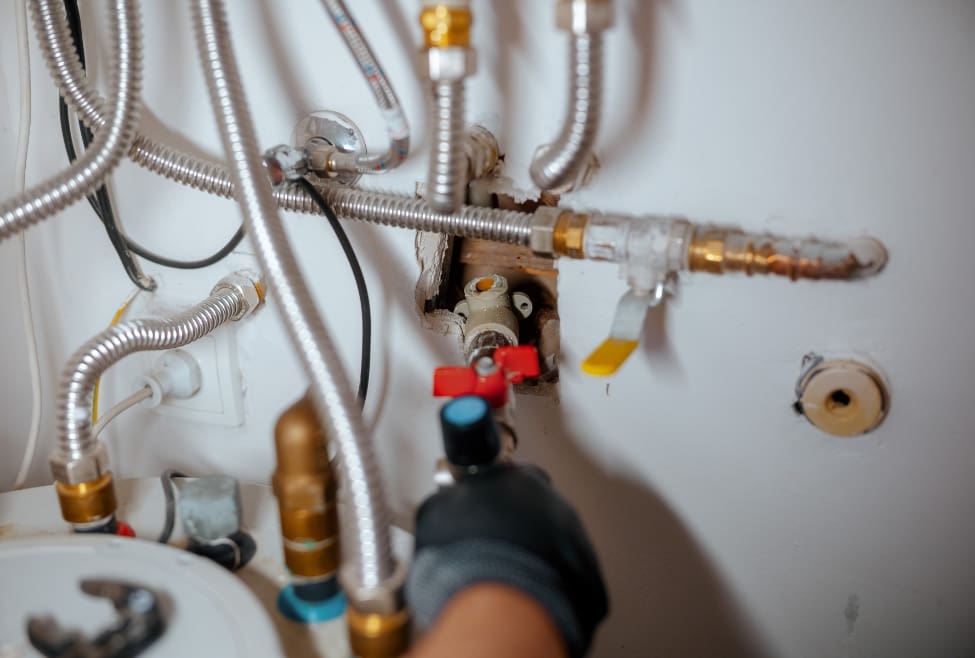
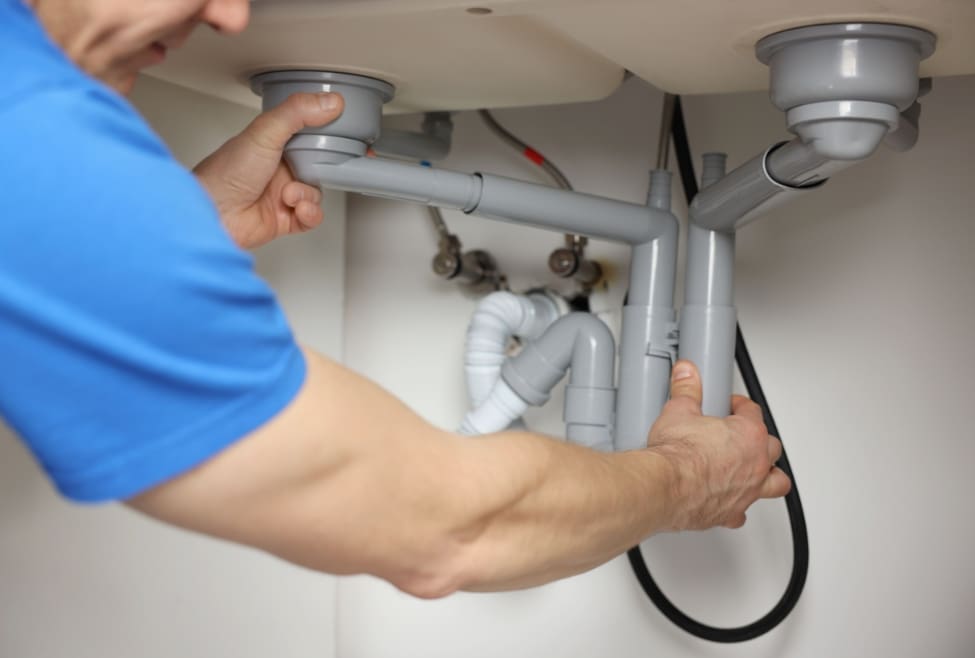
Hands performing plumbing work, illustrating DIY plumbing risks, pipe repair, faucet installation, and toilet replacement. Learn why DIY plumbing is a good idea or not and why hiring licensed plumbers from Lochard HVAC, Plumbing, and Service ensures safe and reliable pipe repair, water line replacement, and home plumbing services. Contact us now for help with is DIY plumbing a good idea, DIY plumbing risks, DIY plumbing repair, DIY pipe repair, DIY faucet installation, DIY toilet installation, DIY water line replacement, DIY plumbing mistakes, DIY plumbing tips, DIY home plumbing, plumbing services near me, licensed plumbers near me, emergency plumbing repair, pipe repair near me, water line repair near me, toilet installation near me, faucet repair near me, water heater installation near me, plumbing maintenance, professional plumbing services, licensed plumbing repair, home plumbing solutions, tankless water heater installation, sewer line repair near me, unclog drain services, plumbing inspection near me.

Is DIY Plumbing a Good Idea?

Understanding the Risks and When to Call a Professional

Many homeowners wonder, Is DIY plumbing a good idea when facing leaks, clogs, or minor repairs. While it can seem like a cost-saving solution, attempting plumbing repairs without professional knowledge can lead to bigger problems, higher costs, and even damage to your home’s water system. At Lochard HVAC, Plumbing, and Service, we help homeowners in Piqua, Troy, Sidney, Bellefontaine, Celina, and Wapakoneta navigate plumbing issues safely and efficiently.

Why DIY Plumbing Can Be Risky

Plumbing systems are complex, and even minor mistakes can have serious consequences. Common risks of DIY plumbing include:

  • Water damage: Incorrectly installed pipes or fittings can leak, causing structural damage, mold growth, or damage to flooring and walls.
  • Code violations: Many plumbing repairs must meet local building codes. DIY work might not pass inspections, which can lead to fines or require costly corrections.
  • Hidden problems: A simple clog or leak can sometimes signal a larger issue with pipes, water pressure, or your water heater. Professionals can detect these early before they become emergencies.
  • Increased costs: Attempting repairs without the right tools or knowledge can turn a small issue into a major repair, requiring replacement pipes, fittings, or even entire water lines.

When DIY Plumbing Might Work

There are a few minor plumbing tasks that some homeowners can safely handle, such as:

  • Replacing faucet washers or aerators
  • Unclogging drains with a plunger or drain snake
  • Installing small fixtures like a new showerhead or toilet seat

However, for any job involving pipe replacement, water line repair, burst pipes, or water heater installation, calling a licensed plumber is the safest and most reliable option.

How Professional Plumbing Services Make a Difference

At Lochard HVAC, Plumbing, and Service, our licensed plumbers provide a wide range of services to keep your home’s plumbing system safe and efficient:

Professional plumbers have the expertise, tools, and experience to handle repairs quickly and correctly, saving you time, money, and stress.

Benefits of Choosing Professional Plumbing

Hiring a licensed plumbing company offers several advantages:

  • Faster, long-lasting repairs: Avoid repeated trips under the sink or repeated repairs that DIY attempts often require.
  • Safety and code compliance: Ensure repairs meet local building codes and prevent hazards like water leaks or mold.
  • Preventative solutions: Professionals can spot potential problems and prevent future plumbing emergencies.

For homeowners in St. Marys, Tipp City, West Milton, Covington, St. Paris, and Versailles, professional plumbing services ensure that minor leaks or clogs never turn into major emergencies.

Protect Your Home with Expert Plumbing Services

While small, simple plumbing tasks can sometimes be handled by homeowners, the risks of DIY plumbing often outweigh the benefits. For complex issues like broken pipes, water line repair, or water heater installation, hiring a professional is the best way to protect your home and avoid costly mistakes.

If you’re asking, “Is DIY plumbing a good idea?”, trust Lochard HVAC, Plumbing, and Service for safe, professional plumbing solutions. Contact our team today for reliable emergency plumbing, water line repair, or routine maintenance in New Bremen, Minster, Anna, Fort Loramie, Russia, and Jackson Center.

FAQs

Can you do plumbing yourself?

While some minor plumbing tasks can be done by a homeowner, most plumbing work requires specialized knowledge and tools. Attempting complex repairs like pipe replacement, water line repair, or burst pipe repair without experience can lead to leaks, water damage, and higher repair costs. DIY plumbing is typically limited to small fixes, and professionals are recommended for anything beyond basic maintenance.

What plumbing can I do myself?

Homeowners can handle simple jobs such as replacing faucet washers, unclogging drains with a plunger or drain snake, and installing small fixtures like showerheads or toilet seats. However, tasks involving water heaters, sewer line repair, or pipe installation are best left to licensed plumbers to ensure proper installation, safety, and code compliance.

Can a homeowner pull his own plumbing permit?

In many areas, homeowners are allowed to pull a plumbing permit for work on their own property, but local codes vary. Even when permitted, the homeowner is typically responsible for ensuring the work meets building codes. Major plumbing projects, such as water line replacement, new pipe installation, or tankless water heater installation, are usually safer and more efficient when handled by a licensed plumber who already meets code requirements.

Do you need a licensed plumber to install a toilet?

Technically, some homeowners can install a toilet themselves, but professional installation ensures the fixture is sealed properly, prevents leaks, and complies with local plumbing codes. Using a licensed plumber also avoids the risk of water damage, recurring leaks, and costly repairs, especially for older plumbing systems or complex installations.

Can I renovate my bathroom on my own?

Minor cosmetic updates, like painting or changing fixtures, can be done by homeowners. However, renovations involving plumbing, such as moving sinks, tubs, or installing new water lines, require professional plumbing expertise. Improper installation can lead to water damage, mold growth, and code violations. Professional plumbers provide guidance, proper installation, and long-term reliability for all plumbing-related renovations.

If you’re considering DIY plumbing but want peace of mind, trust Lochard HVAC, Plumbing, and Service for professional repairs, installations, and maintenance. Our licensed plumbers can handle everything from pipe repair and water line replacement to tankless water heater installation safely and efficiently.