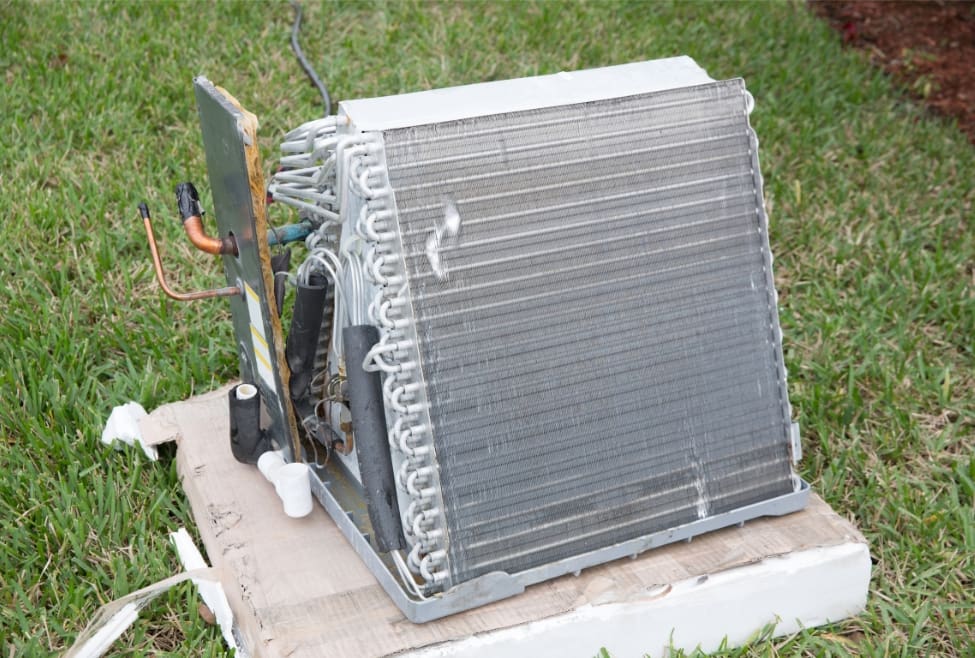
Why a Frozen Evaporator Coil Should Not Be Ignored
If you have noticed ice on your indoor AC unit, you may be asking, what are the six common causes of evaporator freezing. A frozen evaporator coil is one of the most common air conditioning problems homeowners experience during heavy cooling season.
When the coil freezes, your air conditioning system cannot absorb heat properly. This often leads to weak airflow, warm air from vents, and higher energy bills. While the ice may seem harmless at first, the underlying issue can place extra stress on the compressor and reduce the life of your HVAC system.
At Lochard HVAC, Plumbing, and Service, we often help homeowners identify the root cause before a frozen coil leads to major AC repair needs.
1. Dirty Air Filter Restricting Airflow
A clogged air filter is one of the most common causes of evaporator freezing. When airflow becomes restricted, warm air cannot move across the coil properly. Without enough warm air, condensation on the coil can freeze into ice.
Signs often include:
- Weak airflow
- Dust buildup
- Uneven cooling
- Higher utility bills
Replacing your filter regularly can help prevent frozen coils.
2. Low Refrigerant Levels
Low refrigerant changes the pressure inside the cooling system, causing the evaporator coil to become too cold. This can quickly lead to ice buildup on the coil and refrigerant lines.
Common warning signs include:
- AC blowing warm air
- Hissing sounds
- Longer cooling cycles
- Ice on copper lines
A refrigerant leak repair may be necessary to correct the issue.
3. Blocked or Closed Air Vents
Blocked supply or return vents can reduce airflow through the system. Furniture, curtains, or closed vents can disrupt circulation and contribute to coil freezing.
Even a properly working system can develop a frozen coil if airflow is reduced for long periods.
4. Dirty Evaporator Coil
Over time, dirt can collect on the evaporator coil, creating insulation that prevents heat transfer. This causes the coil to become colder than normal and eventually freeze.
Professional AC maintenance can safely clean the coil and improve cooling performance.
5. Blower Fan Problems
The blower fan moves warm indoor air across the coil. If the blower motor is failing or running slowly, insufficient airflow can cause the coil temperature to drop too low.
Signs of blower problems may include:
- Weak airflow from vents
- Strange noises
- Inconsistent temperatures
- System shutting down early
6. Thermostat or Control Issues
A faulty thermostat can cause the AC to run too long without shutting off. Continuous operation can make the evaporator coil excessively cold and lead to freezing.
In some cases, thermostat calibration or replacement can resolve the issue.
Warning Signs of a Frozen Evaporator Coil
You may notice several symptoms before the problem becomes severe:
- Ice on the indoor unit
- Warm air from vents
- Water near the air handler
- Reduced airflow
- High humidity indoors
- AC running constantly
Recognizing these symptoms early can prevent larger HVAC repair costs.
What You Should Do If Your Coil Freezes
If you suspect a frozen coil:
- Turn the thermostat off
- Switch the fan to ON
- Replace the air filter
- Check vents for blockage
- Let the ice thaw completely
- Schedule professional inspection if it returns
This can help prevent additional strain on your AC compressor.
Professional Diagnosis Matters
Lochard HVAC, Plumbing, and Service provides detailed air conditioning diagnostics to find the source of recurring coil freezing. Our technicians inspect:
- Refrigerant pressure
- Airflow levels
- Blower performance
- Thermostat operation
- Coil condition
- Drainage problems
Correct diagnosis helps prevent repeat issues.
Lochard HVAC, Plumbing, and Service provides professional air conditioning repair, evaporator coil service, and HVAC maintenance in Piqua, Troy, Sidney, Bellefontaine, Celina, and Wapakoneta, OH.
Schedule Expert AC Service
Understanding what are the six common causes of evaporator freezing can help you recognize problems early and avoid major system damage. Airflow restrictions, refrigerant issues, dirty coils, and thermostat problems can all contribute to freezing inside your cooling system.
Addressing these issues early can help restore comfort and improve energy efficiency.
If your air conditioner keeps freezing, contact Lochard HVAC, Plumbing, and Service for expert AC repair, frozen coil diagnosis, and cooling system maintenance to restore reliable comfort.
FAQs
How do you fix a frozen evaporator coil?
To fix a frozen evaporator coil, the first step is turning the air conditioner off and switching the thermostat fan setting to ON so warm air can circulate over the coil. You should also check for a dirty air filter, blocked vents, or restricted airflow that may have caused the freezing. If the coil freezes again after thawing, the issue could involve low refrigerant, blower motor problems, or another air conditioning repair concern that needs professional diagnosis.
How long does it take an evaporator coil to thaw?
A frozen evaporator coil can take anywhere from 1 to 24 hours to fully thaw depending on how much ice has built up. Light frost may melt in a few hours, while heavy ice around the coil and refrigerant lines can take most of the day. Running the fan without cooling can help speed up the thawing process while protecting the HVAC system from further strain.
Can I run my AC with frozen coils?
No, running your AC with frozen coils can make the problem worse. When ice covers the coil, airflow becomes restricted and the system cannot cool properly. Continued operation may place extra stress on the AC compressor, blower motor, and other components. Turning the system off and allowing the coil to thaw is usually the safest first step before scheduling HVAC service.
How do I tell if my evaporator coil is frozen?
Common signs of a frozen evaporator coil include weak airflow from vents, warm air instead of cool air, visible ice on refrigerant lines, water around the indoor unit, and the system running longer than normal. Some homeowners also notice rising humidity indoors or unusual noises from the air handler. These symptoms often point to airflow or refrigerant problems that need attention.
How much does it cost to fix a frozen evaporator coil?
The cost to fix a frozen evaporator coil depends on what caused the freezing. Minor repairs like replacing a dirty filter or cleaning the coil may be relatively inexpensive, while refrigerant leaks or blower motor repairs can cost more. Professional AC diagnostics are important because the ice itself is usually a symptom of another issue within the cooling system.
If your air conditioner keeps freezing up, Lochard HVAC, Plumbing, and Service can provide professional evaporator coil diagnosis, AC repair, and HVAC maintenance to restore proper cooling performance.